



U.S. DOT releases $474M for TIGER 2013 projects
Fifty-two transportation projects in 37 states will receive the funds. Applications for this most recent round of grants totaled more than $9 billion, far exceeding the $474 million set aside for the program.

Fifty-two transportation projects in 37 states will receive a total of approximately $474 million from the U.S. Department of Transportation’s (U.S. DOT) Transportation Investment Generating Economic Recovery (TIGER) 2013 discretionary grant program. Among these, 25 projects funded at $123.4 million will be designated for projects in rural areas of the country.
“These transformational TIGER projects are the best argument for investment in our transportation infrastructure,” said U.S. Transportation Secretary Anthony Foxx. “Together, they support President Obama’s call to ensure a stronger transportation system for future generations by repairing existing infrastructure, connecting people to new jobs and opportunities, and contributing to our nation’s economic growth.”
The highly competitive TIGER program offers one of the only federal funding possibilities for large, multi-modal projects that often are not suitable for other federal funding sources. These federal funds leverage money from private sector partners, states, local governments, metropolitan planning organizations and transit agencies. The 2013 TIGER round alone supports $1.8 billion in overall project investments.
Applications for this most recent round of grants totaled more than $9 billion, far exceeding the $474 million set aside for the program. In all, the U.S. DOT received 585 applications from all 50 states, the District of Columbia, Puerto Rico and Guam.
The projects funded through this round of TIGER illustrate the President’s goals of creating “Ladders of Opportunity,” the need for a “Fix it First” approach to infrastructure, and contributing to America’s economic growth.
The following projects are examples of how TIGER supports these goals:
Ladders of Opportunity: A good example of a project connecting people to jobs and economic opportunities is the Atlanta Beltline Corridor, a 33-mile system of trails, transit and parks circling downtown Atlanta and connecting more than 45 communities throughout the city and region. A total of $18 million in TIGER funds will be used to build two miles of the trail. This project will provide connections for residents in primarily low-income and minority communities to bus routes, rail stations, schools, parks, and other recreational activities.
Fix it First: The $10 million investment to reconstruct the Tacoma, Wash., rail trestle is a good example of a project that will repair existing infrastructure. Replacing the 100-year old single-track wooden trestle and bridge with a modern twin-track structure will double capacity and improve reliability and travel time for Sounder and Amtrak Cascades passenger rail service. This “fix it first” project also adds freight capacity on the Tacoma Rail line, contributing to economic growth and supporting Pierce County, the City of Tacoma and the Port of Tacoma.
Economic Growth: An example of a project that will help jump-start local and national economic growth is the $10 million investment in the Houston Bayport Wharf extension project. The investment will allow the terminal to double its cargo capacity by 2033, supporting international trade with more than 1,000 ports in 203 countries. The project will increase the port’s ability to take advantage of the ships expected after the Panama Canal expansion and supporting President Obama’s goal of doubling exports. The project also will increase the productivity of the terminal by reducing truck waiting and idling times.
On March 26, 2013, the President signed the FY 2013 Appropriations Act, which after sequestration provided approximately $474 million for U.S. DOT national infrastructure investments. Like the first four rounds, TIGER 2013 grants are for capital investments in infrastructure and are awarded on a competitive basis based on the published selection criteria. This is the fifth round of TIGER funding.
Under all five rounds combined, the TIGER program has provided more than $3.6 billion to 270 projects in all 50 states, the District of Columbia and Puerto Rico. Demand for the program outweighed available funds, and during all five rounds, the U.S. DOT received more than 5,200 applications requesting more than $114.2 billion for transportation projects across the country.
For more information on individual TIGER grants click here.
More Bus
Brian Dickson on Building Stronger, More Resilient Transportation Organizations
Bus Business Consultants Founder Brian Dickson discusses the leadership principles, operational discipline, and strategic planning that separate transportation companies positioned for long-term success from those stuck in survival mode.
Read More →
LA Metro Breaks Ground on Vermont BRT Project
The 12.4-mile corridor is projected to serve 66,200 daily riders, reduce travel times by up to 24%, and create the nation's busiest bus rapid transit corridor.
Read More →
Roman Cornell on ABC Companies’ Evolution and the Future of Passenger Transportation
The company’s CEO discusses carrying forward a third-generation family legacy, ABC’s continued evolution in passenger transportation, support for increasingly complex fleets, and how technology and continued investment could help operators improve uptime.
Read More →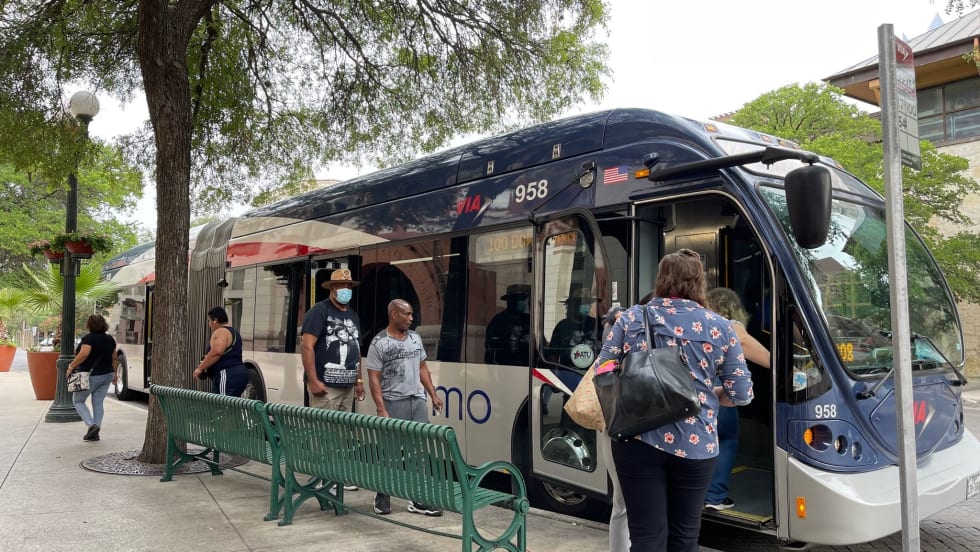
VIA Bus Ridership Grows 10.1% Through August 2026
San Antonio's VIA Metropolitan Transit reported the highest bus ridership growth among major Texas transit systems. Federal Transit Administration data ranked it second among the nation's 50 largest transit systems.
Read More →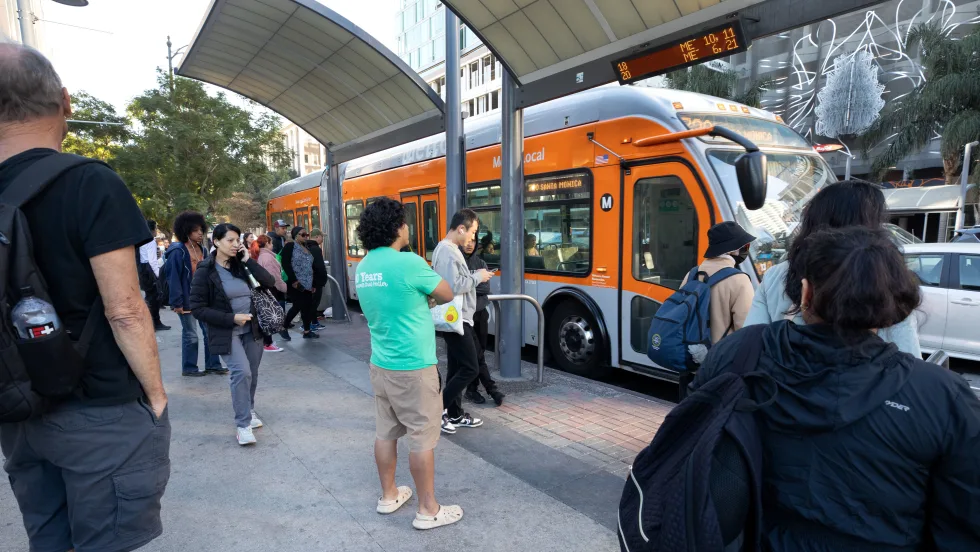
LA Metro September Ridership Climbs 3.9%, Led by Rail Growth
The agency recorded more than 27.2 million boardings, with rail ridership increasing 12.4% year over year and the D Line posting the largest gains.
Read More →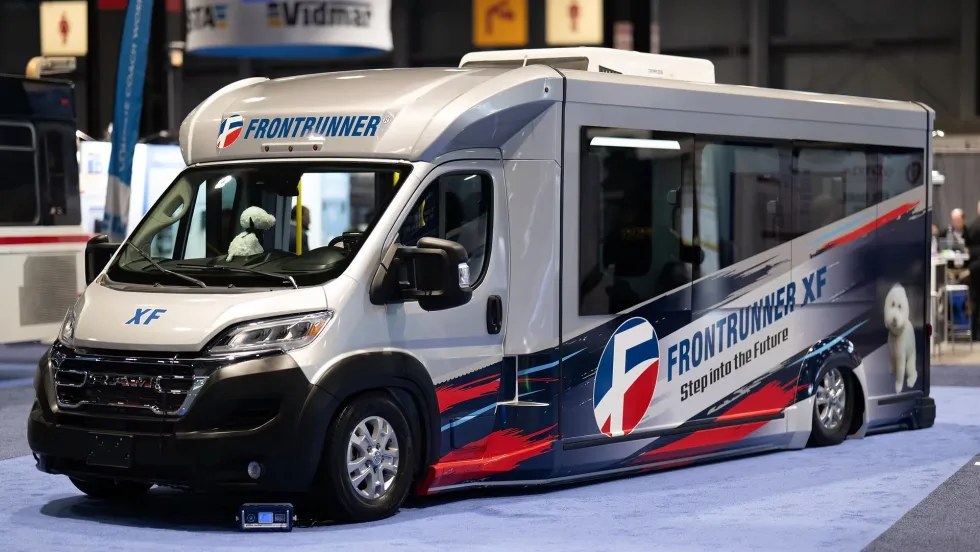
Frontrunner Bus Group Introduces XF Low-Floor Bus with Enhanced Accessibility
The new mid-sized bus features a full flat-floor design, eight-inch curbside step-in height, and zero-entry rear ramp to improve passenger access and operational flexibility.
Read More →
Scenes from APTA TRANSform & EXPO 2026
Transit leaders, manufacturers, and industry professionals gathered in Chicago to explore new technologies, share ideas, and discuss the future of public transportation.
Read More →
More Than a Summer Job: Building the Next Generation of Transit Talent
The Delaware River Port Authority and PATCO have transformed their internship program into a hands-on professional development experience that introduces students to the breadth of transportation careers — and creates a pipeline for future employees.
Read More →
LA Metro Board Awards 220 Battery-Electric Bus Contract to ENC
The contract, which is the largest base award of battery-electric buses by a U.S. transit agency, will be built in Southern California, sustaining good jobs as LA prepares to welcome the world in 2028
Read More →
Public Transit Conference Returning to GFX in 2027, Call for Papers Now Open
The Call for Papers is now open, allowing transit agency professionals and industry experts to help shape the PTC educational program by submitting session ideas for consideration.
Read More →