



UK launches bus powered by human and food waste
The Bio-Bus can travel up to 186 miles on a full tank of gas, which takes the annual waste of around five people to produce.

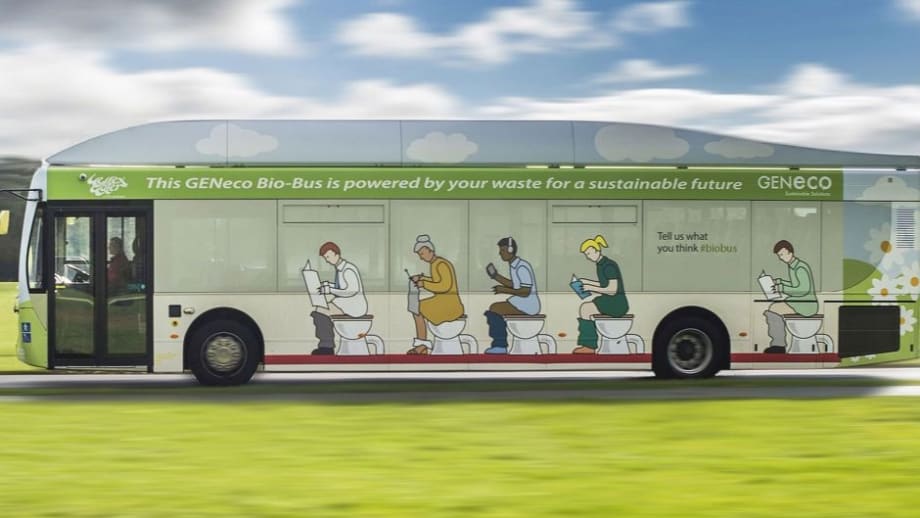
GENeco Bio-Bus

GENeco Bio-Bus
The United Kingdom's first ever bus powered on food waste and human waste launched this week, which engineers believe could provide a sustainable way of fuelling public transport - cutting emissions in polluted towns and cities.
The 40-seat Bio-Bus, which runs on gas generated through the treatment of sewage and food waste that's unfit for human consumption, helps to improve urban air quality as it produces fewer emissions than traditional diesel engines, according to the company.
Running on waste products that are both renewable and sustainable, the bus can travel up to 300km (186 miles) on a full tank of gas generated at Bristol sewage treatment works – a plant run by GENeco, a subsidiary of Wessex Water.
This week GENeco became the first company in the U.K. to start injecting gas generated from food waste and sewage into the national gas grid network and at the same time installed a gas refuelling plant for the bus.
GENeco general manager Mohammed Saddiq said: “Through treating sewage and food thats unfit for human consumption we're able to produce enough biomethane to provide a significant supply of gas to the national gas network that's capable of powering almost 8,500 homes as well as fuelling the Bio-Bus.
“Gas powered vehicles have an important role to play in improving air quality in U.K. cities, but the Bio-Bus goes further than that and is actually powered by people living in the local area, including quite possibly those on the bus itself.
The first passengers to get on board for the Nov. 20 launch of the Bio-Bus were visitors to the U.K. who were commuting from Bristol Airport to the historic city of Bath.

GENeco
Bath Bus Co., which is operating the service, will be using the Bio-Bus for its rapidly growing A4 service from Bath to Bristol Airport via South Bristol, which serves up to 10,000 passengers monthly.
Bristol sewage treatment works treats around 75 million cubic metres of sewage waste and 35,000 tonnes of food waste, collected from households, supermarkets and food manufacturers, every year.
Through a process, known as anaerobic digestion, 17 million cubic metres of biomethane is generated a year at the Bristol plant – the equivalent of meeting the power needs of 8,300 homes. A newly built state-of-the-art gas plant injects the gas into the grid.
The Bio-Bus has received backing from a number of businesses including the manufacturer of the bus, Scania, as well as companies including Roadgas, CNG Services Ltd, Dampney’s Agri Environmental, Trant, Grontmij and AIR Decker.
More Bus
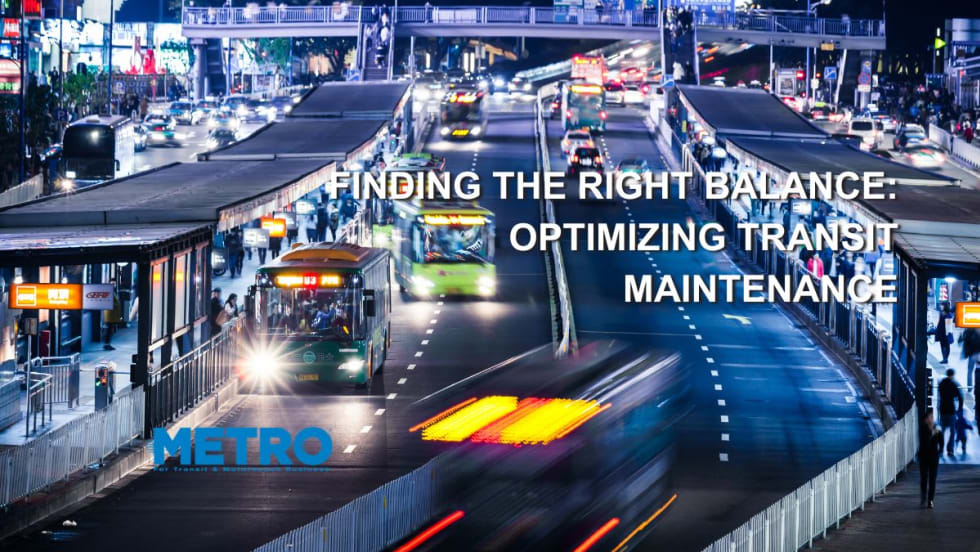
Finding the ‘Happy Medium’: Optimizing Maintenance Without Sacrificing Reliability
The key to maintenance optimization isn’t doing less work—it’s doing the right work at the right time on the right assets.
Read More →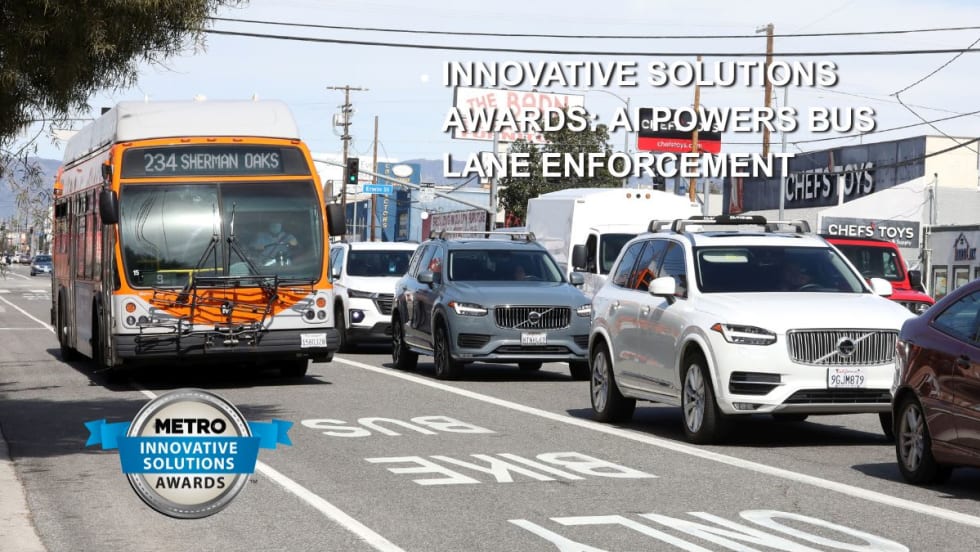
LA Metro, City of West Hollywood, and Partners Advance Smarter Bus Lane Enforcement
The award-winning partnership combines AI-powered detection with human oversight to improve bus reliability, accessibility, and enforcement efficiency.
Read More →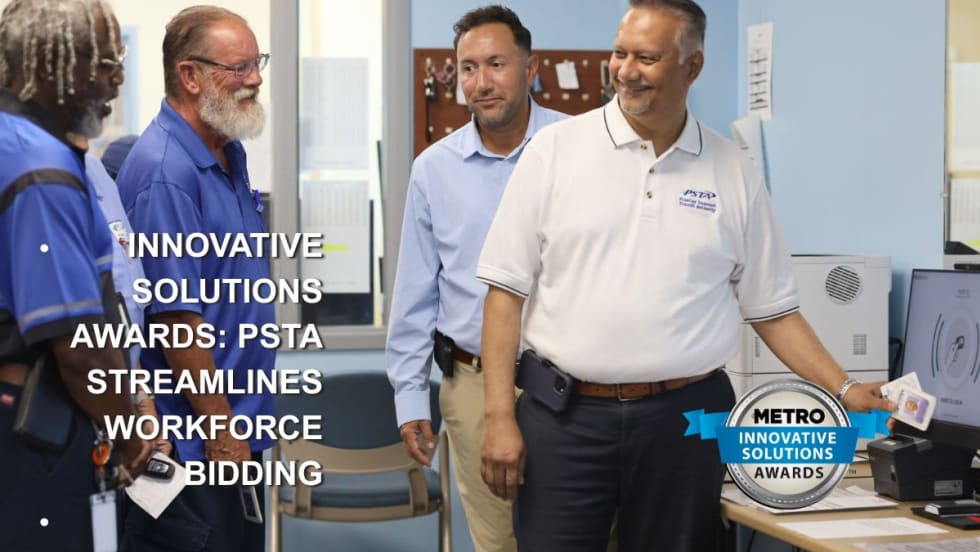
PSTA Modernizes Workforce Management with Digital Bidding System
The award-winning Workforce Transit Modernization project replaced paper bidding with a transparent digital platform, cutting administrative effort while improving access for operators.
Read More →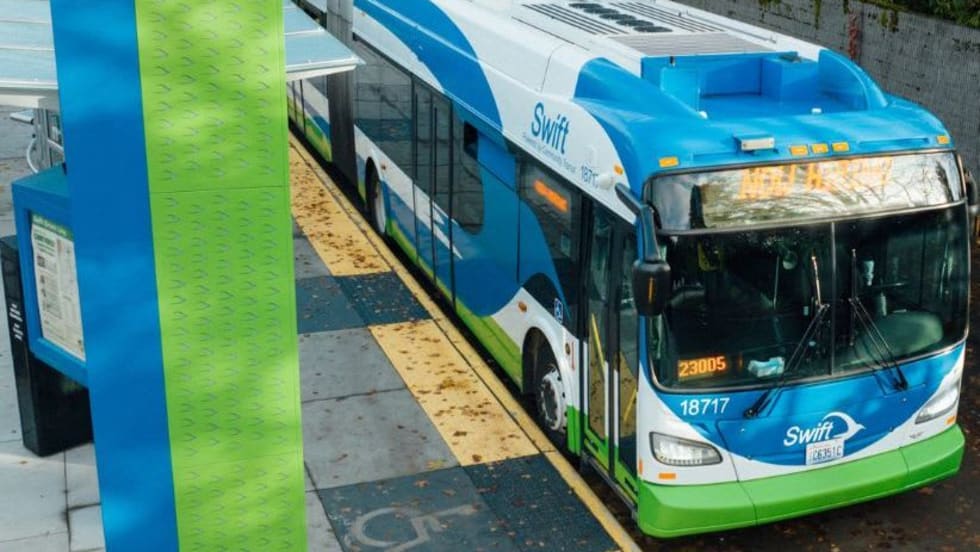
Washington's Community Transit Sets Six-Year Roadmap for Growth, Expansion
Approved TDP targets more bus service, new mobility options, Swift BRT expansion, and a potential Everett Transit annexation.
Read More →
DART Customer Satisfaction Reaches Six-Year High
Overall satisfaction rose to 74.9%, while the agency’s Net Promoter Score reached a record 33.7.
Read More →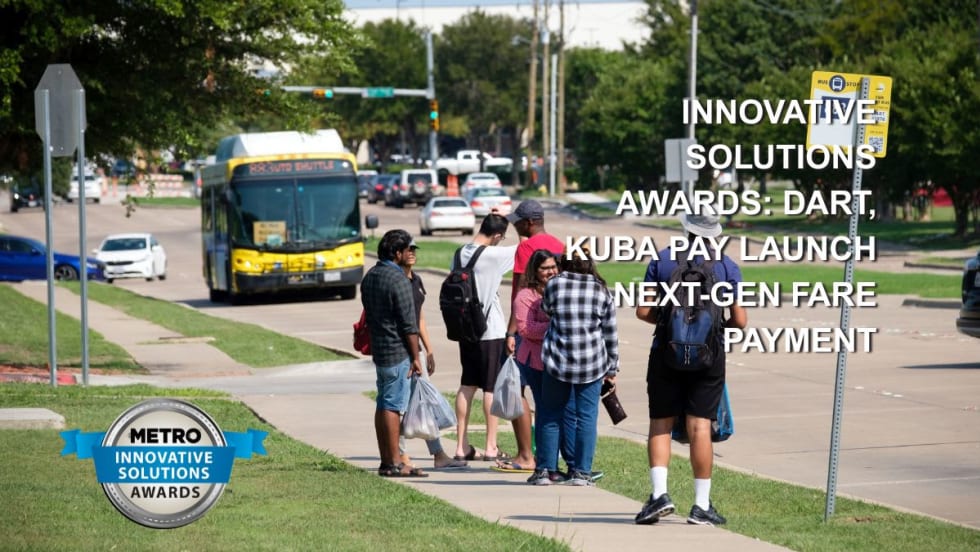
How DART's GoPass Is Redefining Regional Mobility
Serving 14 transit agencies, GoPass simplifies multimodal travel by allowing riders to plan, pay for, and manage an entire trip through one app.
Read More →
Biz Briefs: OCTA Taps Clean Energy for Hydrogen Station, Stadler to Supply Via Rail Vehicles, and More
From manufacturers and suppliers to transit agencies and motorcoach operators, these updates offer a snapshot of the projects, partnerships and business moves driving the industry forward.
Read More →
METRO Magazine Announces 2026 Innovative Solutions Awards Winners
Projects Recognized for Advancing Mobility Through Technology, Accessibility, Workforce Innovation, and Operational Excellence
Read More →
Biz Briefs: STV teams with Amtrak, Motorcoach Operators Boost Fleet and Land Contracts, and More
From manufacturers and suppliers to transit agencies and motorcoach operators, these updates offer a snapshot of the projects, partnerships and business moves driving the industry forward.
Read More →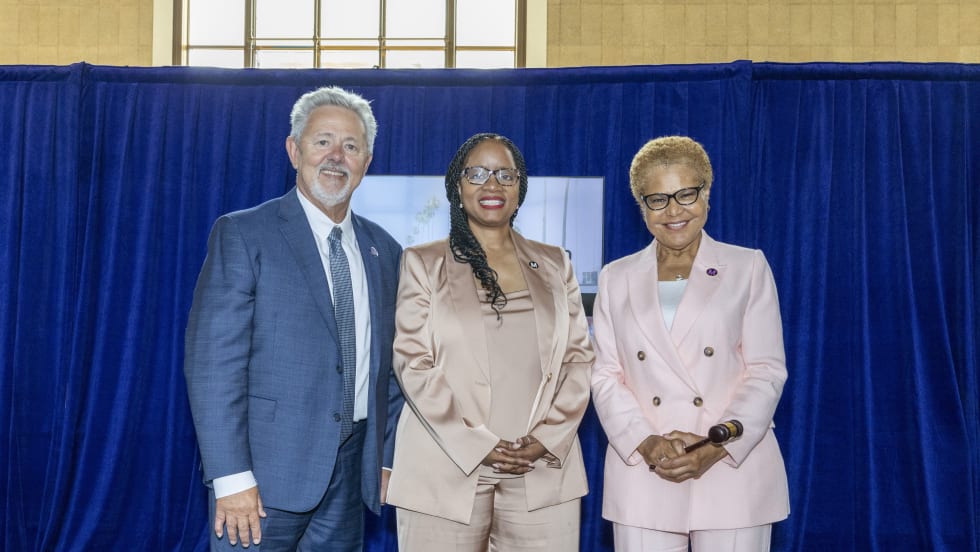
LA Metro Marks Banner Year, Sets Ambitious Goals for New Fiscal Year
Incoming LA Metro Board Chair and Los Angeles Mayor Karen Bass joined outgoing Board Chair Fernando Dutra and LA Metro CEO Stephanie Wiggins to review accomplishments from fiscal year 2026, which included the opening of new rail extensions, advancement of major transit projects, expanded safety programs, and new rider amenities.
Read More →