




RELATED: Via, partners launch senior-focused Mass. microtransit
University of Texas project aims to improve transportation for older adults
Using a national grant to improve transportation for older adults living in assisted-living communities across the Dallas area.
November 21, 2019

Some of the research in a new UTA study will investigate ways to make older adults more willing to try ride-sharing companies.
ESPA
2 min to read
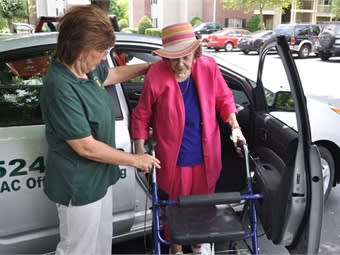
Some of the research in a new UTA study will investigate ways to make older adults more willing to try ride-sharing companies.
ESPA
A multidisciplinary team of engineers and social workers from The University of Texas at Arlington is using a national grant to improve transportation for older adults living in assisted-living communities across the Dallas area.
Kate Hyun, assistant professor of civil engineering, is leading the project, which is funded by a $248,628 grant from the National Institute of Transportation and Communities (NITC), located at Portland State University. Other members of the research team include Kathy Lee, assistant professor in the School of Social Work, and Caroline Krejci, assistant professor of industrial, manufacturing and systems engineering.
Some of the research will investigate ways to make older adults more willing to try ride-sharing companies, which require basic computer knowledge to use.
“We’re targeting older adults in assisted-living communities who are able to walk but not able to drive,” Hyun said. “We want to find ways of improving their mobility.”
Hyun brings transportation engineering to the project, Lee has personal interactions with agencies that help older adults, and Krejci’s provides expertise in computer simulation modeling. Lee said the team is taking a comprehensive approach to examining what older adults need in the way of transportation.
“Social work brings that direct interaction with people — or with the agencies that people go to for help,” Lee said. “So much of what we’re talking about in this project deals with getting people to understand, accept and learn that there are ways to offer better transportation that can empower them.”
Krejci’s role is to integrate the data collected by Lee with the outputs of Hyun’s transportation analysis. Her computational model will enable the team to simulate the impact of different policies on older residents’ transportation-related decisions and behaviors over time, so that mobility outcomes can be predicted.
“Agent-based modeling allows us to perform experiments on virtual social systems to test the effects of different ‘what-if’ scenarios on simulated communities,” Krejci said. “Human behavior is complex, and a well-intentioned strategy to improve mobility for older adults might yield unexpected consequences. This model will help us to understand these complexities and provide data-driven recommendations for transportation policy.”
The team is analyzing data from various sources, including the U.S. Census, General Transit Feed Specification, carsharing and ridesharing operations and community-based paratransit services to identify available transportation access and options for older adults.
The researchers will then survey older adults who participate in caregiver support programs, elder financial safety center programs and senior volunteer programs to understand their mobility needs, their usage of available transportation options, potential barriers and the assistance they expect from public and private entities.
More Paratransit

Frontrunner Bus Group Introduces XF Low-Floor Bus with Enhanced Accessibility
The new mid-sized bus features a full flat-floor design, eight-inch curbside step-in height, and zero-entry rear ramp to improve passenger access and operational flexibility.
Read More →
Scenes from APTA TRANSform & EXPO 2026
Transit leaders, manufacturers, and industry professionals gathered in Chicago to explore new technologies, share ideas, and discuss the future of public transportation.
Read More →
Indian River Transit’s Community-Focused Approach Earns National Recognition
Named APTA’s 2026 Outstanding Public Transportation System in its size category, Florida’s Indian River County transit system continues to grow ridership through fare-free service and a focus on evolving community needs.
Read More →
Everett Transit, Community Transit Outline Consolidation Agreement
The proposed agreement calls for a 50% increase in bus service in Everett, a new microtransit zone, continued paratransit service, and the transfer of Everett Transit operations to Community Transit.
Read More →
Driving Smarter Paratransit
John Hanlon shares how AlphaRoute is leveraging AI-powered technology to help paratransit providers optimize operations, support frontline staff, and enhance the rider experience.
Read More →
People Movement: Dan Dipert Coaches Adds Third-Generation Leader, Keolis Names New Valley Metro VP/GM, and More
In this edition, we also cover recent appointments and announcements at the Wabtec, SilverRide, HNTB, and more, showcasing the individuals helping to shape the future of transportation.
Read More →
Biz Briefs: RIPTA Unveils New Frontrunners, Clevland RTA Adds New Siemens, and More
In METRO's latest installment, we take a look at recent news from Siemens, Prevost, Dodge, and more partnerships making headlines across the transportation sector.
Read More →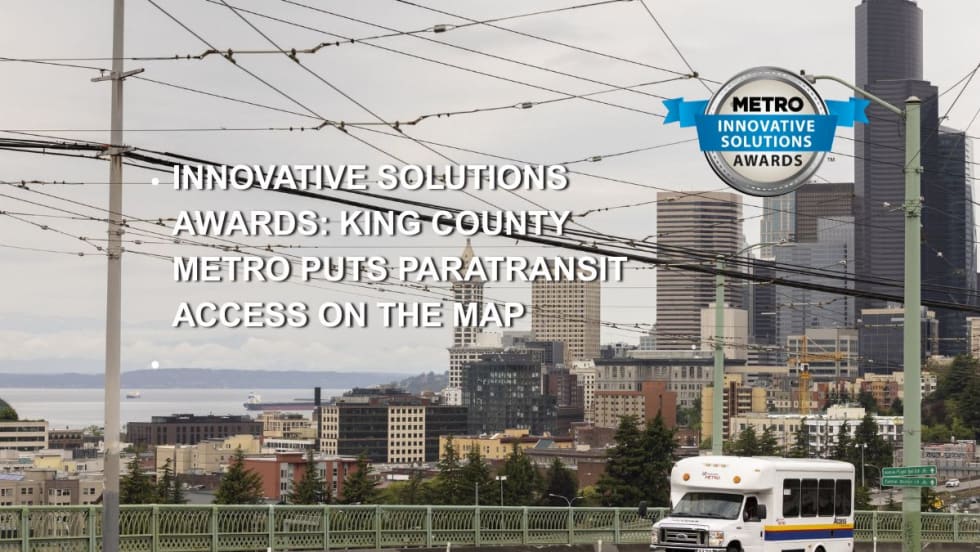
King County Metro Makes ADA Paratransit Easier to Navigate
METRO's Innovative Solutions Award winner replaces complex service-area descriptions with an accessible, interactive map that puts paratransit information directly in customers’ hands.
Read More →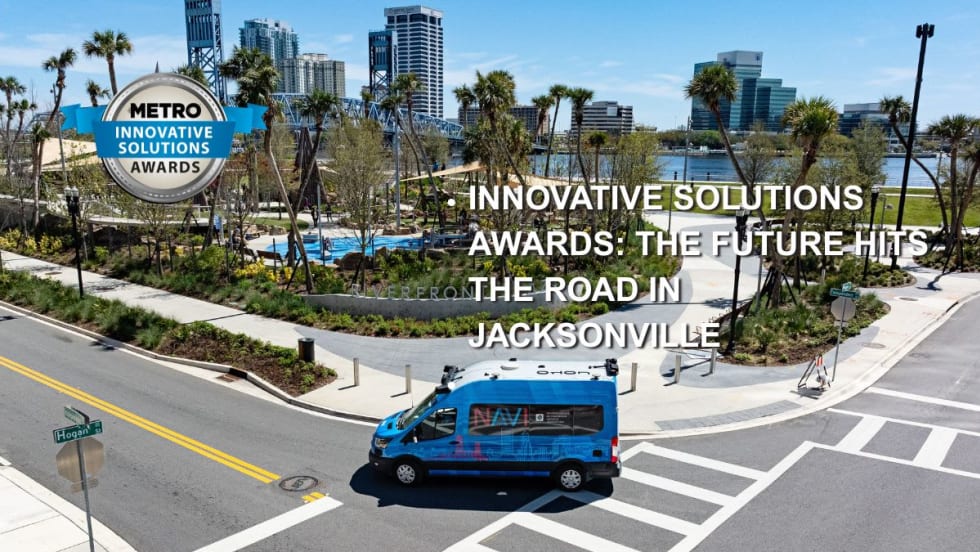
Jacksonville’s NAVI Project Charts a New Course for Autonomous Public Transportation
Through its NAVI program, JTA is showing how autonomous vehicles, intelligent infrastructure, and coordinated operations can work together to deliver everyday public transportation.
Read More →
Driving Smarter Paratransit
John Hanlon shares how AlphaRoute is leveraging AI-powered technology to help paratransit providers optimize operations, support frontline staff, and enhance the rider experience.
Read More →