



UT Survey: Operators weigh in on paratransit programs
University officials based in Michigan, New Jersey, West Virginia, Oklahoma and Indiana discuss increasing ridership, contracting service and travel training.

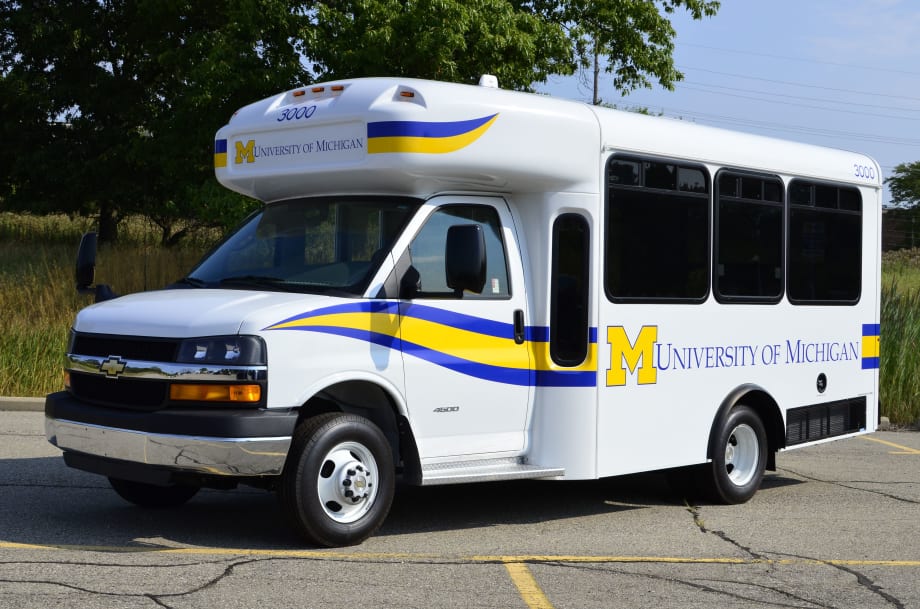
With ridership increasing at many university transit systems and our annual paratransit issue about to come out, we were curious to learn more about university paratransit programs. We asked a few universities to tell us about their paratransit ridership, services and whether they offer travel training. Here are their responses:
“Last academic year, we had around 245 authorized paratransit users. This number includes students, faculty and staff. We have two paratransit vehicles, which are brand new. Of course, all authorized users don't utilize our service at the same time. However, we do get very busy. We have two full-time drivers operating from around 7:40a.m. (first pick up) to the final pick up around 7:35 p.m. There's also a daily student shift in there too. We also offer extended service through a local cab contractor for off hours, extending to around 10 p.m. All paratransit service operates Monday through Friday only unless arrangements have been made to do so, i.e. for football games, etc.”
Shawn L. Harrison, RN, coordinator, paratransit services
University of Michigan
Ann Arbor, Mich.
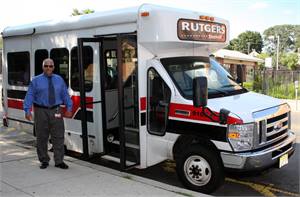
“We currently have five minibuses servicing our five campuses and average about 100 passenger trips per day, providing transportation to and from classes. Last year we provided over 12,000 passenger trips and our ridership is growing as our student population grows. Our students deal directly with our Office of Disabilities Services and they educate the students about our transportation rules and regulations.”
John Karakoglou, manager of transit services Dept. of Transportation Services Administration and Public Safety Division
Rutgers University
New Brunswick, N.J.
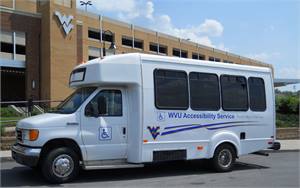
“WVU offers a paratransit program for students only. Employees have access to the regional bus system’s paratransit service. Our system has been in place since 2006. WVU transports around 3,200 passenger trips per year. We have a travel training program that we conduct in concert with the Office of Student Disabilities. We also conduct training with our paratransit operators in lift and wheelchair securement, first aid, bloodbourne pathogens and disability sensitivity training.”
Hugh E. Kierig, AICP, director, department of transportation and parking
West Virginia University
Morgantown, W.Va.
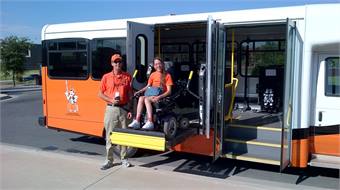
“OSU receives federal funds to offer fixed-route and paratransit service. The university extends complimentary paratransit service to the community as well as to students, faculty and staff. We wanted to share our benefit with our entire community. One advantage to running a travel training [program] is that in a university setting, most riders are more familiar with using apps and other electronic tools. We offer to train riders to use our mobile app and website, which features real-time arrival information. We also teach riders how to use our printed schedules to access route information, familiarize themselves with our bus stops, board buses and pay fares.”
Tom Duncan, manager – transit services
Oklahoma State University - Stillwater Community Transit
Stillwater, Okla.
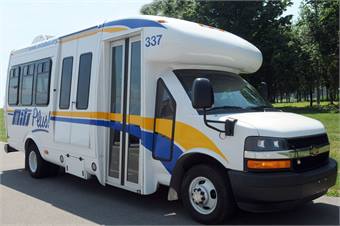
“Our paratransit system, MITSPlus, has been in operation since before MITS was actually formed in 1981. MITSPlus provided 62,215 trips in 2011, and we provide travel training.”
Mary Gaston, assistant GM
Muncie Indiana Transit System (Serves Ball State University)
Muncie, Ind.
More Paratransit

Biz Briefs: RIPTA Unveils New Frontrunners, Clevland RTA Adds New Siemens, and More
In METRO's latest installment, we take a look at recent news from Siemens, Prevost, Dodge, and more partnerships making headlines across the transportation sector.
Read More →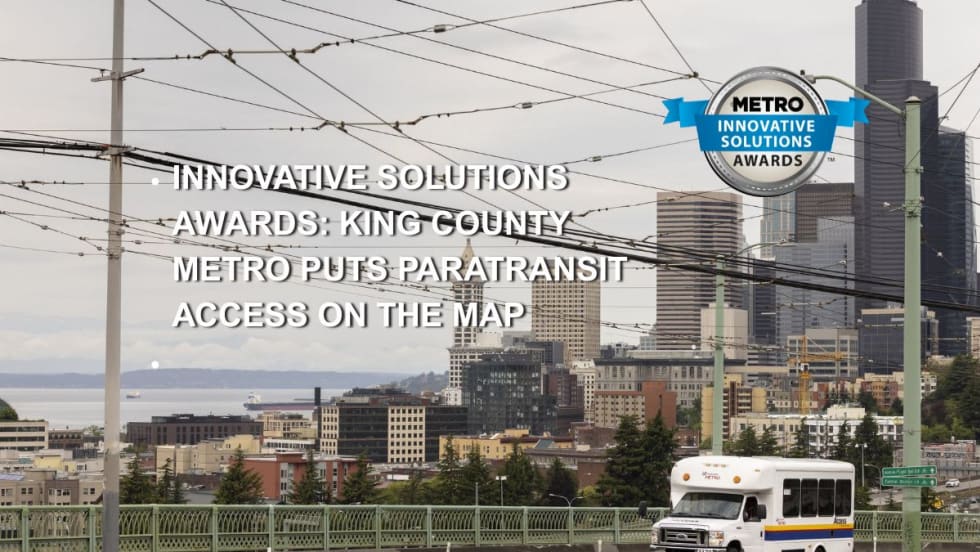
King County Metro Makes ADA Paratransit Easier to Navigate
METRO's Innovative Solutions Award winner replaces complex service-area descriptions with an accessible, interactive map that puts paratransit information directly in customers’ hands.
Read More →
Jacksonville’s NAVI Project Charts a New Course for Autonomous Public Transportation
Through its NAVI program, JTA is showing how autonomous vehicles, intelligent infrastructure, and coordinated operations can work together to deliver everyday public transportation.
Read More →
Driving Smarter Paratransit
John Hanlon shares how AlphaRoute is leveraging AI-powered technology to help paratransit providers optimize operations, support frontline staff, and enhance the rider experience.
Read More →
METRO Magazine Announces 2026 Innovative Solutions Awards Winners
Projects Recognized for Advancing Mobility Through Technology, Accessibility, Workforce Innovation, and Operational Excellence
Read More →
Biz Briefs: STV teams with Amtrak, Motorcoach Operators Boost Fleet and Land Contracts, and More
From manufacturers and suppliers to transit agencies and motorcoach operators, these updates offer a snapshot of the projects, partnerships and business moves driving the industry forward.
Read More →
Biz Briefs: Masabi Teams with St. Louis Metro and More
In METRO's latest installment, we take a look at recent news from Transdev, Hitachi, and more partnerships making headlines across the transportation sector.
Read More →
New York MTA Leverages Zoning Program to Advance Station Accessibility
Accessibility enhancements at Nevins St Station will be financed through a development agreement tied to the MTA's Zoning for Accessibility initiative.
Read More →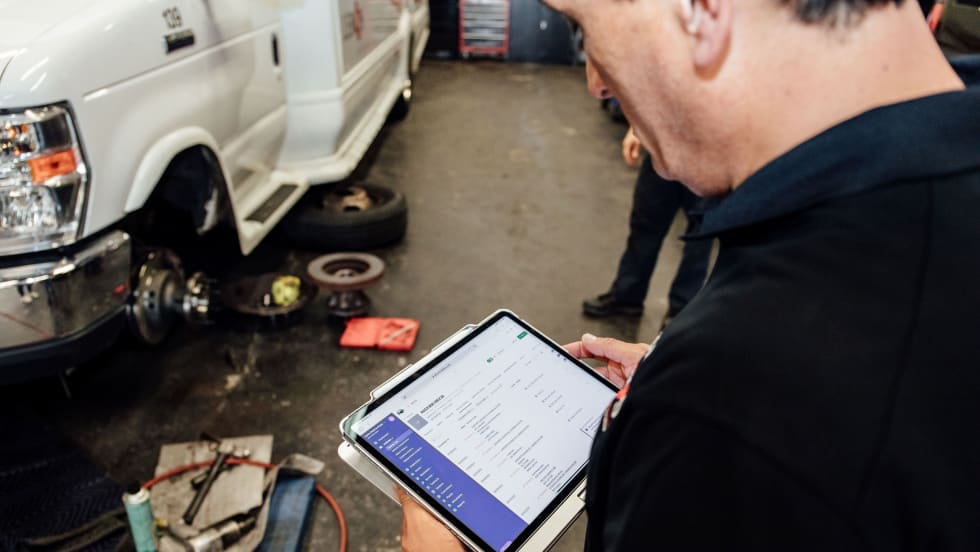
Reinventing Fleet Maintenance with Real-time Visibility and AI
Transit leaders need to know what needs fixing, where to look, who is responsible, when work is completed, and what it costs without having to chase information across disconnected systems.
Read More →
SamTrans Sets Priorities for Potential Connect Bay Area Revenue
The board-approved framework allocates future funding to maintaining service, rider improvements, equity initiatives, and infrastructure repairs.
Read More →