
Metro Magazine

 MENU
MENU SEARCHMENUSEARCH
Loading data...
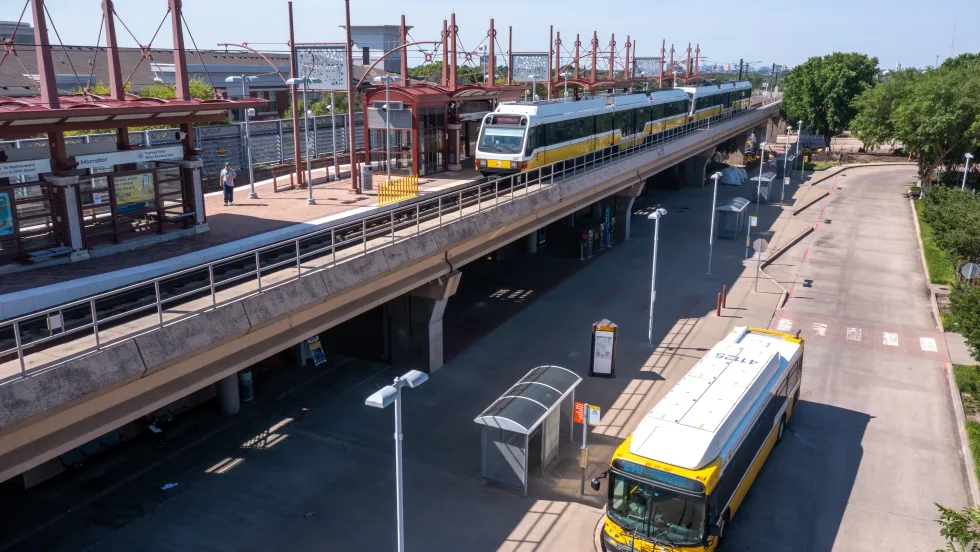
The initial release represents the first phase of DART’s efforts to expand access to ridership information. Additional dashboard features, data, and functionality will be introduced in future phases.
Read More →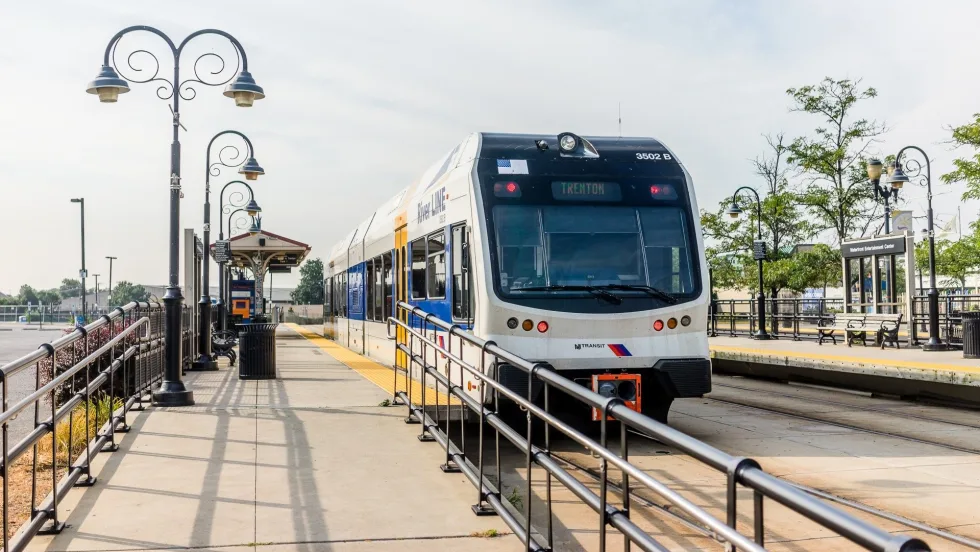
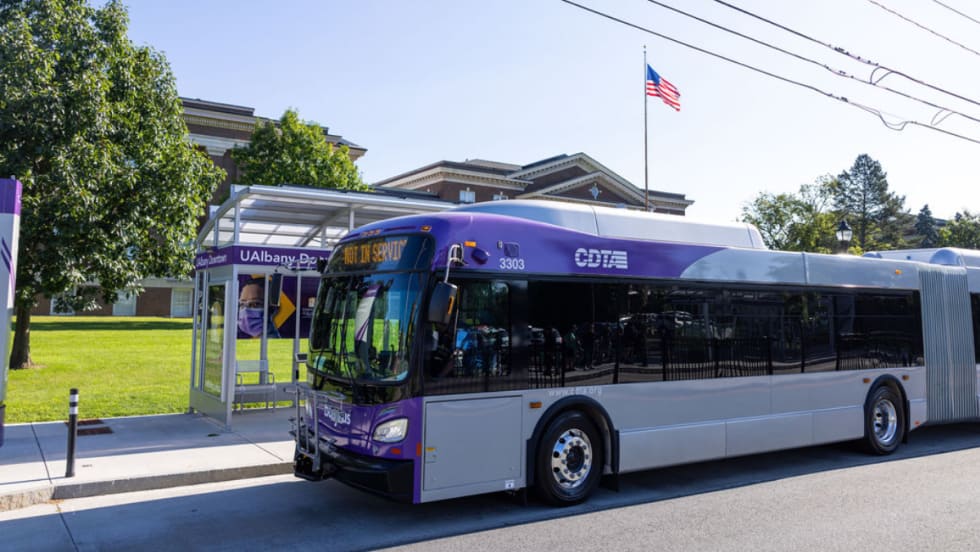
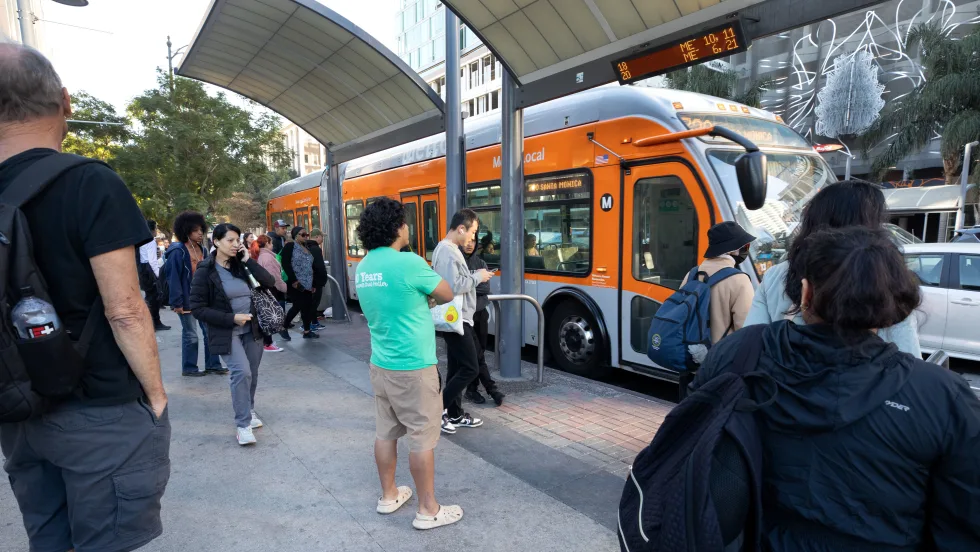




The agency is gathering industry input on AI, real-time data, and integrated communications technology as it prepares to procure a system that delivers faster, more consistent transit updates across every customer channel.
Read More →Despite a slight dip in ridership, the agency’s FY2026 results show its service rebalancing strategy is helping the agency carry more riders per service hour while improving reliability.
Read More →Total June ridership increased for both weekdays and weekends. Weekday ridership was 953,820, which grew 8.4% from June 2025; Saturdays increased nearly 13% year-over-year to 708,826; and Sundays increased 7.7% to 611,534 from June 2025, according to LA Metro.
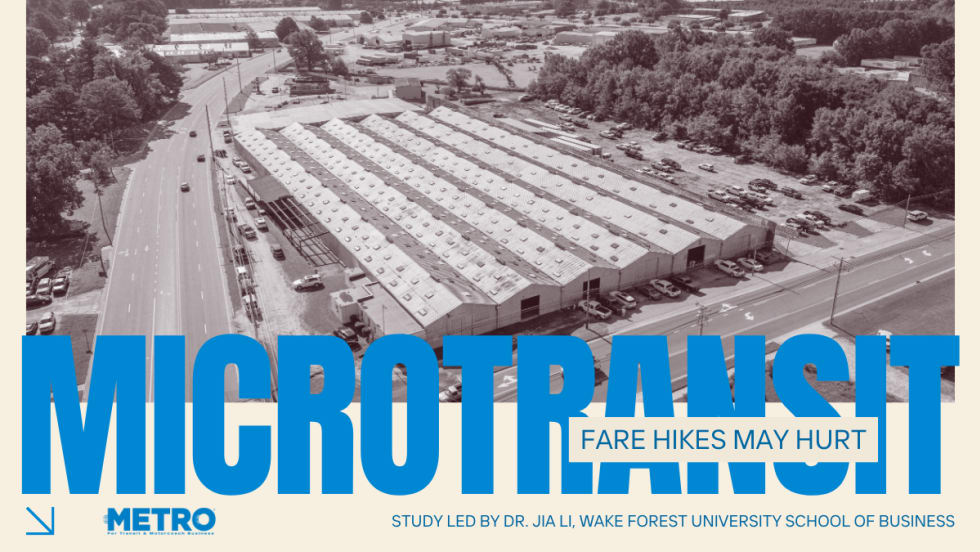
Read More →New research suggests raising microtransit fares may drive away the riders agencies need most.
Read More →Weekend rail ridership was especially strong, soaring 18% as riders embraced expanded access to jobs, entertainment, dining, and cultural destinations, said the agency. Total system ridership for May, including bus and rail, was 26,966,657.
Read More →NYMTC’s quarterly Travel Patterns Report provides a snapshot of travel activity throughout New York City, Long Island, the Lower Hudson Valley, and northern New Jersey using data collected from the agencies operating the region’s bridges, tunnels, and public transit systems.
Read More →The budget covers July 1, 2026, through June 30, 2027, a period when pandemic emergency funds run out, the District faces a structural deficit of $375 million, and a regional transit funding measure may appear on the November ballot.
Read More →Rider-focused improvements will begin rolling out across the system immediately as CTA, Metra, and Pace increase service this summer in the six-county region.
Read More →Since launching in October 2025, the Wave system has steadily replaced previous fare media with faster, more flexible payment options designed to streamline boarding, improve reliability, and help riders more easily access fare discounts and cost-saving benefits, said OCTA
Read More →