




RELATED: Phoenix held up as model for voters weighing transit ballot measures
Voters pass 33 of 48 transportation ballot measures
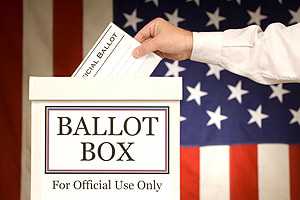
Throughout the country in 2016, in 23 states and communities of all sizes, voters considered nearly $200 billion in local investment for public transportation at the ballot box.
November 9, 2016
2 min to read

On Tuesday, voters approved 33 of 48 local and statewide public transit measures for a current passage rate of 71% based on unofficial election results. Three measures on November 8 ballots remain to be called.
Throughout the country in 2016, in 23 states and communities of all sizes, voters considered nearly $200 billion in local investment for public transportation at the ballot box. The number of ballot measures (49), as well as their collective total amount (nearly $200 billion), were the largest in history. Since 2000, the average success rate of transit measures is 71%.
Additionally, 77 total transit measures appeared on ballots throughout 2016, the highest number on record. This follows a growing trend in the number of measures annually, which indicates local communities are increasingly understanding the need for local investment in public transportation and recognizing that ballot initiatives can be a powerful way to meet that need, according to APTA.
One big win, included Los Angeles’ ambitious Measure M, which will renew the current half-cent sales tax to continue funding transportation projects throughout the region, as well as an additional half-cent sales tax to expand and improve light rail and subway lines. The measure could raise up to $120 billion over 40 years for transit and road improvements. Altogether, nine out of 16 California ballot measures were successful, with other measures finding success in Marion County, Ind.; Greensboro and Wake County, N.C.; and Seattle and Spokane, Wash.
For a full list of measures, click here.
"Americans from every background agree that more public transportation is great for their community. And with a passage rate of 69 percent, they show they are more than willing to pay for it," said American Public Transportation Association (APTA) Chair Doran J. Barnes.
"Voters nationwide upheld the demonstrated legacy of strong support for transit at the ballot box,” noted Jason Jordan, executive director of the Center for Transportation Excellence. “Clearly, communities continue to recognize the economic, social, health, and environmental benefits transit can provide and are willing to support and invest in its expansion and maintenance."
More Management

Roman Cornell on ABC Companies’ Evolution and the Future of Passenger Transportation
The company’s CEO discusses carrying forward a third-generation family legacy, ABC’s continued evolution in passenger transportation, support for increasingly complex fleets, and how technology and continued investment could help operators improve uptime.
Read More →
CATS Launches West Charlotte Microtransit Zone, Expands Transit Services
The new microtransit zone connects residents to key destinations as Charlotte Area Transit System rolls out the first phase of its 2055 Transit System Plan.
Read More →
VIA Bus Ridership Grows 10.1% Through August 2026
San Antonio's VIA Metropolitan Transit reported the highest bus ridership growth among major Texas transit systems. Federal Transit Administration data ranked it second among the nation's 50 largest transit systems.
Read More →
CSA Group Releases Climate Resilience Standard for Transit, Passenger Rail
Developed with support from the Standards Council of Canada, CSA D700 guides assessing climate-related risks and planning adaptation measures for transit and passenger rail systems.
Read More →
ETA CEO John Maglio on Transit Technology, Innovation, and Building Agency Trust
ETA founder and CEO John Maglio explores the evolution of transit technology, the importance of reliable systems, and how stronger partnerships can help agencies improve operations and the passenger experience.
Read More →
COTA Launches First Customer Experience Action Plan to Improve Transit Service
The new plan outlines improvements to service reliability, accessibility, communication, and the overall rider experience across Central Ohio's transit system.
Read More →
LA Metro September Ridership Climbs 3.9%, Led by Rail Growth
The agency recorded more than 27.2 million boardings, with rail ridership increasing 12.4% year over year and the D Line posting the largest gains.
Read More →
Utilimarc Launches SmartReplace to Optimize Fleet Replacement Decisions
AI-powered SmartReplace helps fleets prioritize vehicle replacements, model budget scenarios, and build more defensible long-term strategies.
Read More →
APTA Honors 2026 Award Winners, Hall of Fame Inductees at TRANSform & EXPO
Innovations in autonomous and zero-emission transportation, standout transit systems, and industry leadership took center stage among this year's honorees.
Read More →
7 Ways to Build a Better Transit Internship Program
Lessons from DRPA/PATCO’s approach to creating a meaningful internship experience—and developing the next generation of transportation professionals.
Read More →