




RELATED: Ways to Improve Communication with Customers Who Have Disabilities
Wash. transit wants more seniors to benefit from fixed route
Only about 5% of riders on WTA’s fixed bus routes in Whatcom County are over 65. In contrast to senior’s relatively low ridership on fixed routes, more than 1,700 people over 65 use WTA’s paratransit service.
November 2, 2015
Whatcom Transportation Authority
1 min to read
Whatcom Transportation Authority
BELLINGHAM, Wash. — Whatcom Transportation Authority would like more seniors to benefit from its fixed bus routes, The Bellingham Herald reported.
Only about 5% of riders on WTA’s fixed bus routes in Whatcom County are over 65. In contrast to senior’s relatively low ridership on fixed routes, more than 1,700 people over 65 use WTA’s paratransit service, the report said.
The agency is trying to promote the benefits of using the service, including spontaneity, greater independence and social connections, as well as the features of the fixed-route fleet, such as priority seating for elderly and disabled riders, and wheelchair securement stations, according to The Bellingham Herald.
For the full story, click here.
More Paratransit
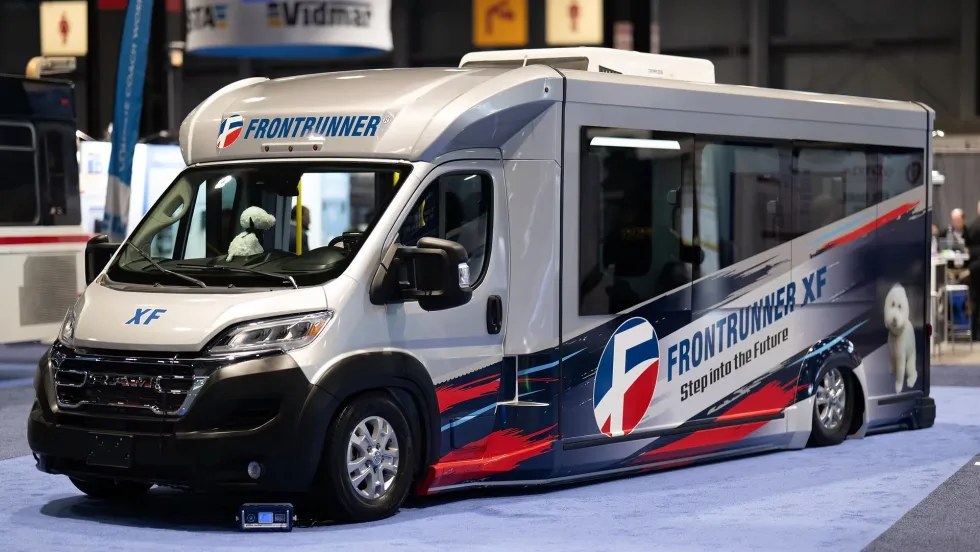
Frontrunner Bus Group Introduces XF Low-Floor Bus with Enhanced Accessibility
The new mid-sized bus features a full flat-floor design, eight-inch curbside step-in height, and zero-entry rear ramp to improve passenger access and operational flexibility.
Read More →
Scenes from APTA TRANSform & EXPO 2026
Transit leaders, manufacturers, and industry professionals gathered in Chicago to explore new technologies, share ideas, and discuss the future of public transportation.
Read More →
Indian River Transit’s Community-Focused Approach Earns National Recognition
Named APTA’s 2026 Outstanding Public Transportation System in its size category, Florida’s Indian River County transit system continues to grow ridership through fare-free service and a focus on evolving community needs.
Read More →
Everett Transit, Community Transit Outline Consolidation Agreement
The proposed agreement calls for a 50% increase in bus service in Everett, a new microtransit zone, continued paratransit service, and the transfer of Everett Transit operations to Community Transit.
Read More →
Driving Smarter Paratransit
John Hanlon shares how AlphaRoute is leveraging AI-powered technology to help paratransit providers optimize operations, support frontline staff, and enhance the rider experience.
Read More →
People Movement: Dan Dipert Coaches Adds Third-Generation Leader, Keolis Names New Valley Metro VP/GM, and More
In this edition, we also cover recent appointments and announcements at the Wabtec, SilverRide, HNTB, and more, showcasing the individuals helping to shape the future of transportation.
Read More →
Biz Briefs: RIPTA Unveils New Frontrunners, Clevland RTA Adds New Siemens, and More
In METRO's latest installment, we take a look at recent news from Siemens, Prevost, Dodge, and more partnerships making headlines across the transportation sector.
Read More →
King County Metro Makes ADA Paratransit Easier to Navigate
METRO's Innovative Solutions Award winner replaces complex service-area descriptions with an accessible, interactive map that puts paratransit information directly in customers’ hands.
Read More →
Jacksonville’s NAVI Project Charts a New Course for Autonomous Public Transportation
Through its NAVI program, JTA is showing how autonomous vehicles, intelligent infrastructure, and coordinated operations can work together to deliver everyday public transportation.
Read More →
Driving Smarter Paratransit
John Hanlon shares how AlphaRoute is leveraging AI-powered technology to help paratransit providers optimize operations, support frontline staff, and enhance the rider experience.
Read More →