



Web Extra: U. transit operators upgrade their driver training programs
University transit operators from Wisconsin and Illinois weigh in on recent updates they have made to their driver training programs, including bringing training in-house and adding bus simulators.

Ensuring that drivers have the necessary knowledge and skill to get students to and from class safely and efficiently is a top priority for university and college transit systems. We checked in with operators to get an update on changes they are implementing to their driver training programs.
Here are their responses:
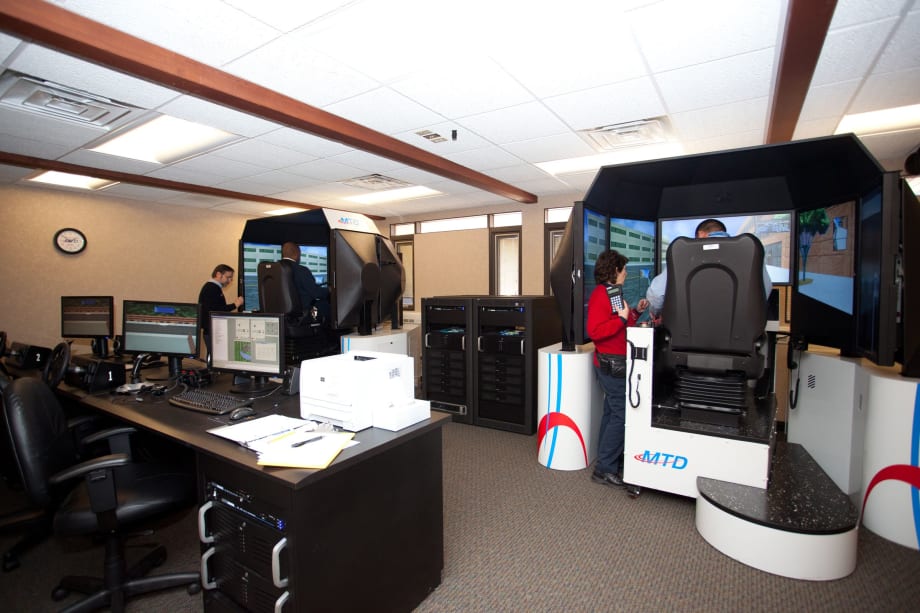
“The Champaign-Urbana Mass Transit District (MTD) introduced bus simulators into its training and retraining curricula. The two FAAC simulators are beneficial in many ways. Use of the simulator environment for new hire training reduces the number of trainers needed and the consumption of fuel. The driver's seat and controls are identical to those on MTD buses allowing inexperienced operators to become comfortable with the environment in the safety of the training room. Custom programming recreates the challenges of operating on the University of Illinois campus where narrow roads and heavy auto, pedestrian and bicycle traffic create hazards. New operators can be introduced to the driving difficulties that inclement weather creates. Simulations are also used for accident reconstruction and summer retraining of veteran operators.”
Jan Kijowski, marketing director
Champaign-Urbana Mass Transit District
Urbana, Ill.
“The first major change we have made is bringing all of our training in-house. All of our driving and behind-the-wheel training was consulted out before. Through this process we have been able to save over $500 per trainee. Not only have we saved money, but through the process of the drivers' supervisor — myself — facilitating training we have seen better results in their driving after the completion of training and performing better on their exams.
Another major change we made when bringing the training in-house was to implement four hours of classroom instruction on how to handle larger vehicles. I am working to make this longer for our next round. To include the classroom aspect, I attended a week-long training by the Transportation Safety Institute. This training has prepared me well to be an instructor and provided me with the materials (slideshow, instructor manuals, participant manuals and tests) necessary to teach how to safely operate and handle our vehicles.
The other major change I have made recently includes a discussion about distracted driving. Before, we would talk about driving distracted and mention it was against company policy to use a cellphone, text, change the radio, etc., while the vehicle is in motion and we have it as a part of their employment agreement. However, what has been implemented is an actual discussion about the dangers of driving distracted and the three different types of distractions that drivers encounter (manual, cognitive, visual). We talk about why it is so important to stay focused on the road due to the fact that they have the potential to affect a large number of lives since they are transporting a large number of individuals on their bus.
The last thing I am still working on to implement is quarterly training at our staff meetings. This refresher training would center on seasonal-specific driving conditions.”
Paul Merkey, residential administration manager, shuttle & emergency procedures
University of Wisconsin-Milwaukee
Milwaukee, Wis.
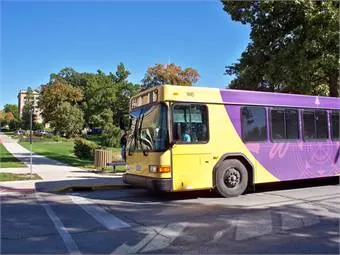
“We added Smith System training to all drivers' curriculum, a monthly refresher on same, and also put mandatory off bus wheelchair securement stations in for our drivers to practice on. We hold optional weekend training on these platforms as well. We have also begun to add additional training personnel from within the driving ranks to more fully train our drivers behind the wheel.”
Jude Kiah, director, Go West Transit
Western Illinois University
Macomb, Ill.
More Bus

New York MTA Plans Largest Bus Fleet Upgrade in More Than a Decade
The agency is seeking manufacturers for 650 new CNG buses to replace aging vehicles, improve reliability, and advance its broader fleet modernization strategy.
Read More →
Building a Flexible Path to Transit Electrification
John Hroncich discusses BAE Systems’ modular and scalable approach, lessons learned from decades of real-world operations, and how agencies can identify electrification strategies that fit their fleets.
Read More →
Bus Tech Talk: Keeping Transit Technicians Ahead of the Technology Curve
LA Metro’s Obed Mejia discusses technician training, evolving maintenance technology, fleet replacement, and strategies for getting the most out of today’s transit fleets.
Read More →
Biz Briefs: RIPTA Unveils New Frontrunners, Clevland RTA Adds New Siemens, and More
In METRO's latest installment, we take a look at recent news from Siemens, Prevost, Dodge, and more partnerships making headlines across the transportation sector.
Read More →
People Movement: Holly Arnold Joins Transdev and More
In this edition, we also cover recent appointments and announcements at Pace, CamTran, MCI, and more, showcasing the individuals helping to shape the future of transportation.
Read More →
The High Cost of Transit Buses: Industry Leaders Look to Procurement Reform
Transit leaders and policymakers examine how standardized bus designs, streamlined procurement, and predictable funding could help agencies stretch budgets and deliver better service.
Read More →
The Business Voice Behind Public Transportation
As chair of APTA’s Business Members Board of Governors, Ray Melleady explains how more than 850 business members are partnering with transit agencies to advance funding, innovation, and industry-wide collaboration.
Read More →
From Surviving to Thriving: Building Stronger Transportation Organizations
Bus Business Consultants founder Brian Dickson shares lessons on leadership, organizational health, and creating options for long-term success in a changing transportation industry.
Read More →
Finding the ‘Happy Medium’: Optimizing Maintenance Without Sacrificing Reliability
The key to maintenance optimization isn’t doing less work—it’s doing the right work at the right time on the right assets.
Read More →
LA Metro, City of West Hollywood, and Partners Advance Smarter Bus Lane Enforcement
The award-winning partnership combines AI-powered detection with human oversight to improve bus reliability, accessibility, and enforcement efficiency.
Read More →