



WMATA selling surplus property to cut costs, generate revenue
Properties in Maryland, Virginia, and the District have potential for commercial, residential, and/or mixed-use development.



The Washington Metropolitan Area Transit Authority (WMATA) announced that eight surplus properties are up for sale in Maryland, Virginia, and the District with potential for commercial, residential, and/or mixed-use development. The parcels include several sites near or adjacent to Metro stations, including Columbia Heights, College Park, and Glenmont.
The sale of surplus property is expected to save money by reducing maintenance expenses on property WMATA no longer needs, while generating additional revenue for capital and operating expenses.
“Our riders want affordable, cost-effective public transit and to do that we need to find new sources of revenue and efficiencies,” said Metro GM/CEO Paul J. Wiedefeld. “We are turning over every stone, looking at all of our assets to get the most out of every dollar and ensure continued financial stability.”
All eight parcels are in areas surrounded by commercial or residential development and provide infill opportunities that will benefit the neighboring community. The offering includes more than 7,000 square feet of land in the heart of Columbia Heights on Park Road, close to popular restaurants and retailers that is prime for development.
An additional property adjacent to Glenmont Metro is also being offered for ground lease.
WMATA is evaluating all of its surplus property holdings and expects to provide additional properties for sale over the next two years.
More Management
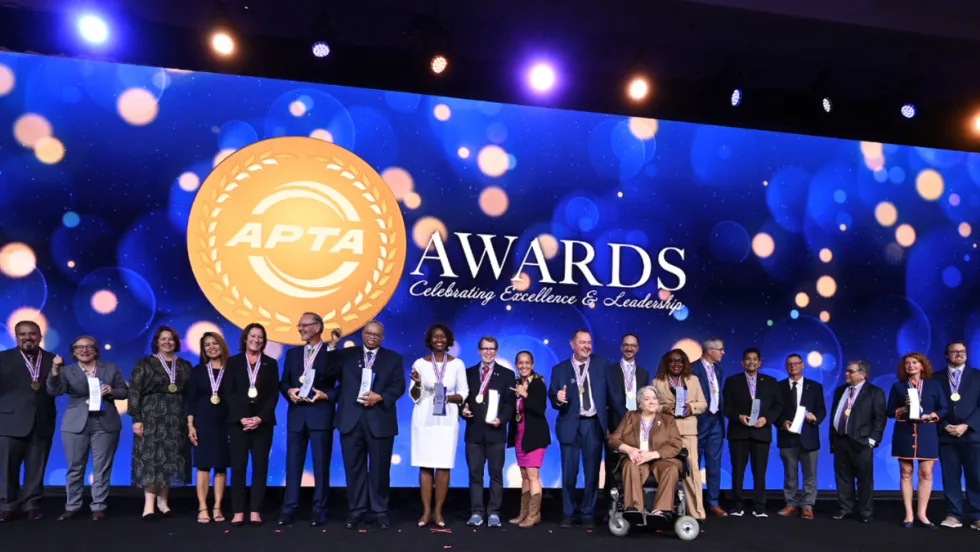
APTA Honors 2026 Award Winners, Hall of Fame Inductees at TRANSform & EXPO
Innovations in autonomous and zero-emission transportation, standout transit systems, and industry leadership took center stage among this year's honorees.
Read More →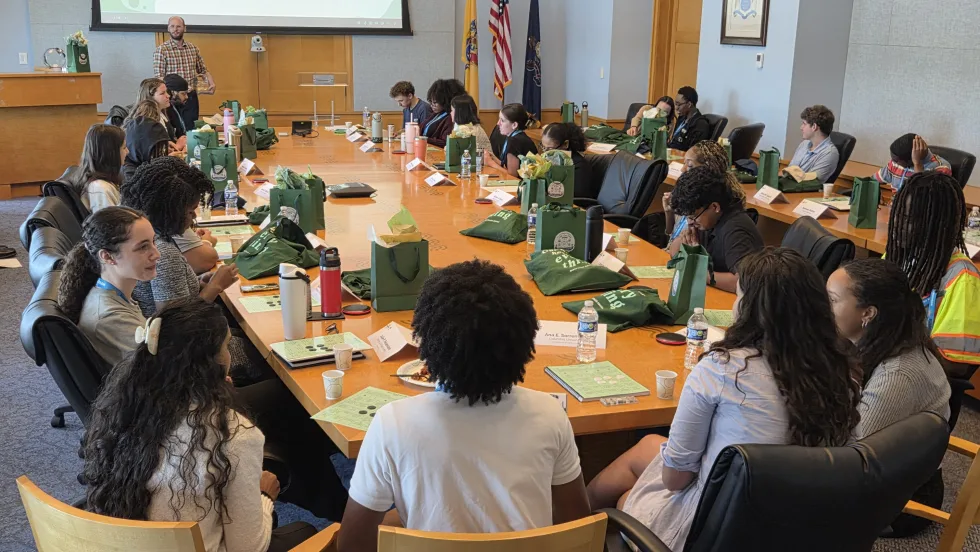
7 Ways to Build a Better Transit Internship Program
Lessons from DRPA/PATCO’s approach to creating a meaningful internship experience—and developing the next generation of transportation professionals.
Read More →
Scenes from APTA TRANSform & EXPO 2026
Transit leaders, manufacturers, and industry professionals gathered in Chicago to explore new technologies, share ideas, and discuss the future of public transportation.
Read More →
Building Stronger Leaders, More Resilient Transit Teams
Dr. Carol Parker Walsh discusses leadership development, employee retention, workplace culture, and preparing transit’s workforce for AI and automation.
Read More →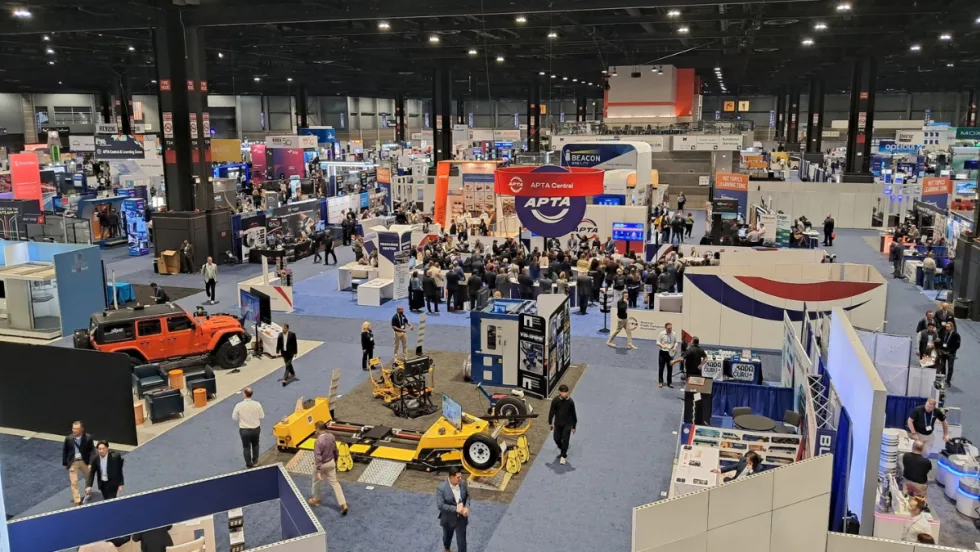
APTA 2026 TRANSform & EXPO Kicks Off in Chicago
After 45 years, APTA returns to Chicago with a focus on next-generation fleets, AI, connected transit networks, and the funding strategies shaping public transportation’s future.
Read More →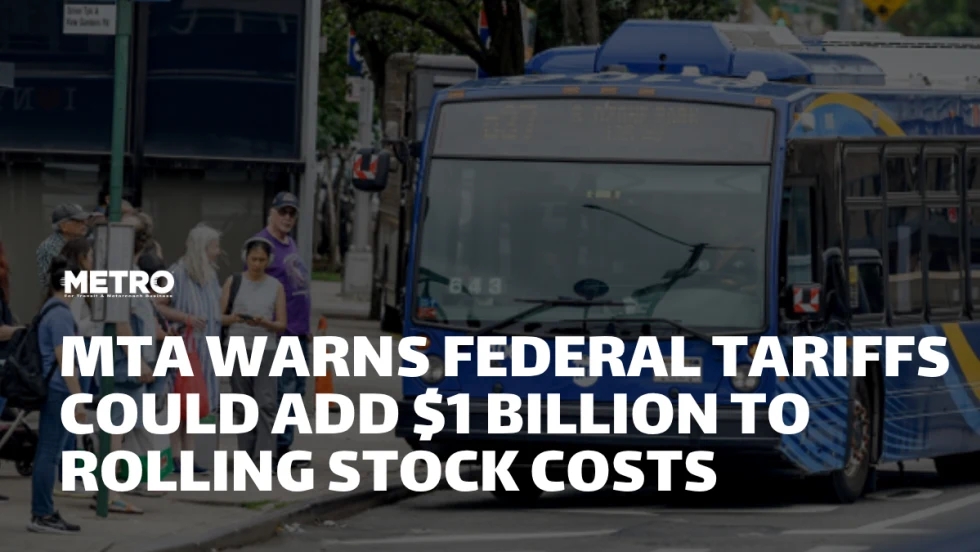
New York MTA Warns Federal Tariffs Could Add $1 Billion to Rolling Stock Costs
The agency said tariffs on specialized imported components could reduce the purchasing power of its $23 billion investment in new subway cars, railcars, and buses.
Read More →
From the Show Floor: What Happened at APTA TRANSform & EXPO 2026
See the latest product launches, partnerships, technology updates, and transit industry announcements from APTA TRANSform & EXPO in Chicago.
Read More →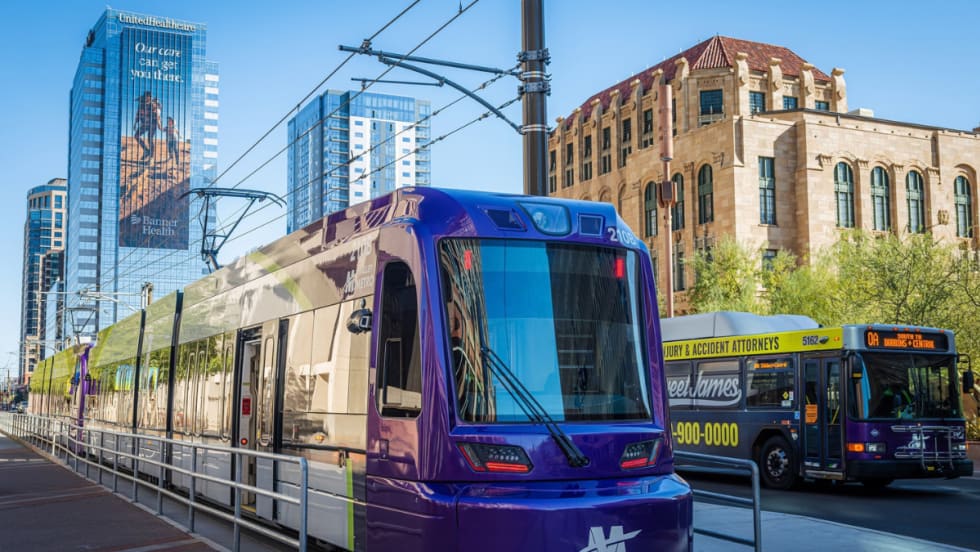
How Valley Metro Is Balancing Transit Growth With the Rider Experience
The APTA award-winning agency is pairing rapid system expansion with investments in workforce, safety, technology, and the fundamentals of transit service.
Read More →
Bus Tech Talk: Keeping Transit Technicians Ahead of the Technology Curve
In this episode of Bus Tech Talk, Complete Coach Works’ Business Development Manager Mark Hollenbeck and METRO’s Executive Editor Alex Roman sit down with Obed Mejia, Senior Technical Trainer for Bus Maintenance, at LA Metro to discuss how rapidly evolving bus technology is changing the maintenance shop — and the skills technicians need to keep pace.
Read More →
Michael Schneider Joins Paslay Group to Expand Transportation Practice
The longtime transportation executive will help Paslay Group grow its advisory and program management work across transit, highway, and other infrastructure sectors.
Read More →