
Metro Magazine

 MENU
MENU SEARCHMENUSEARCH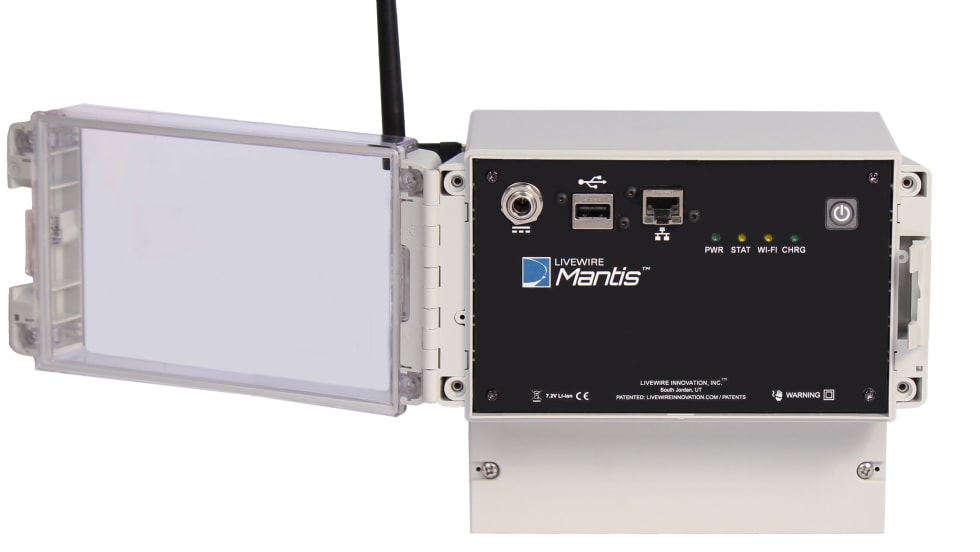
Uses the revolutionary Spread Spectrum Time-Domain Reflectometry (SSTDR), made possible by LiveWire Innovation.
Read More →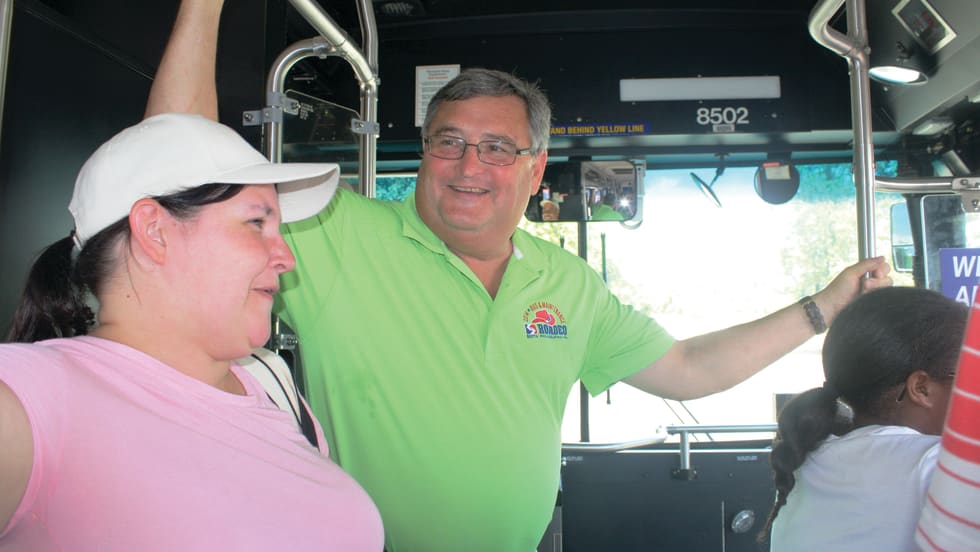
Before employees get to the international level, SEPTA hosts its own annual roadeos — the authority’s Bus Roadeo just celebrated its 30th anniversary — where operators and maintenance staff compete for company bragging rights, in front of their colleagues and families.
Read More →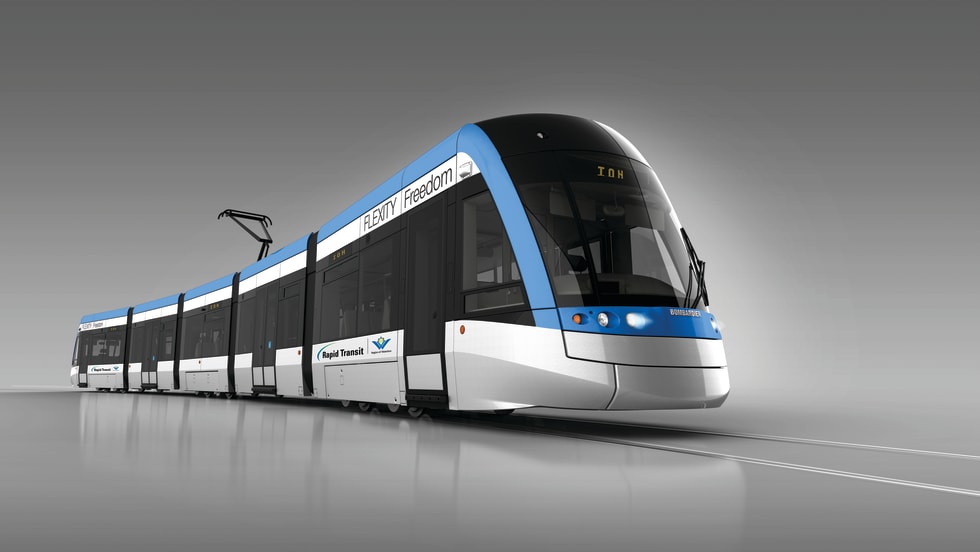
The $818 million (CD) project will bring light rail transit (LRT) to the Waterloo Region — which includes the cities of Cambridge, Waterloo and Kitchener — in two stages.
Read More →
Two potential improvements would be cutting spending to match revenues or increasing revenues to match spending, but Congress continues to avoid these hard choices. Their de facto policy of leaping from crisis to crisis is the worst of all worlds, as funding continues to be inadequate and grantees have little assurance of stability in federal funding.
Read More →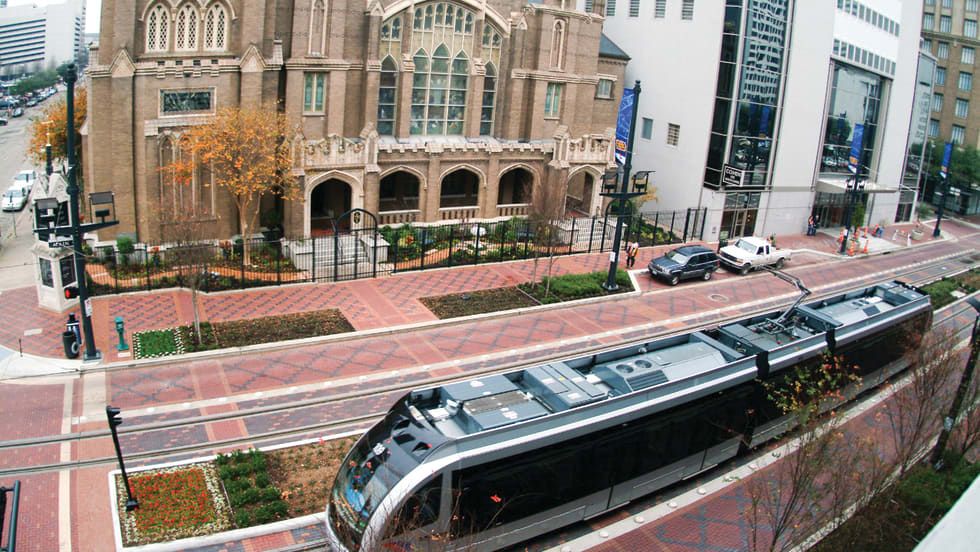
METRO spoke with Metro’s President/CEO Thomas C. Lambert about his journey from police officer to head of a public transportation system as well as the success the agency has experienced over the last several years and EXPO.
Read More →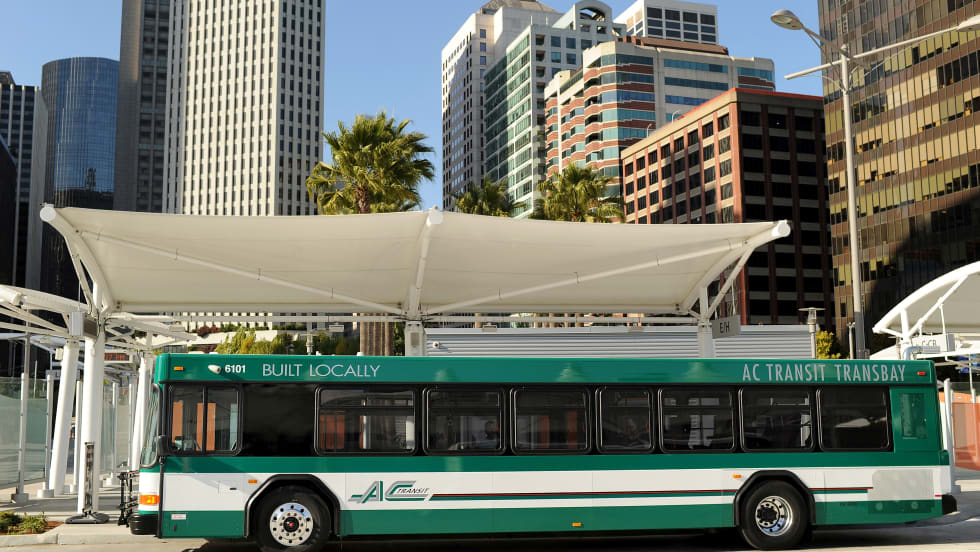
Buses would run every 20 minutes between 12:30 and 2:30 a.m., about the frequency of BART trains during non-commute hours.
Read More →
The Missoula Urban Transportation District announced today that GM Michael Tree has resigned effective November 7, 2014, to become Executive Director of the Livermore Amador Valley Transit Authority in California.
Read More →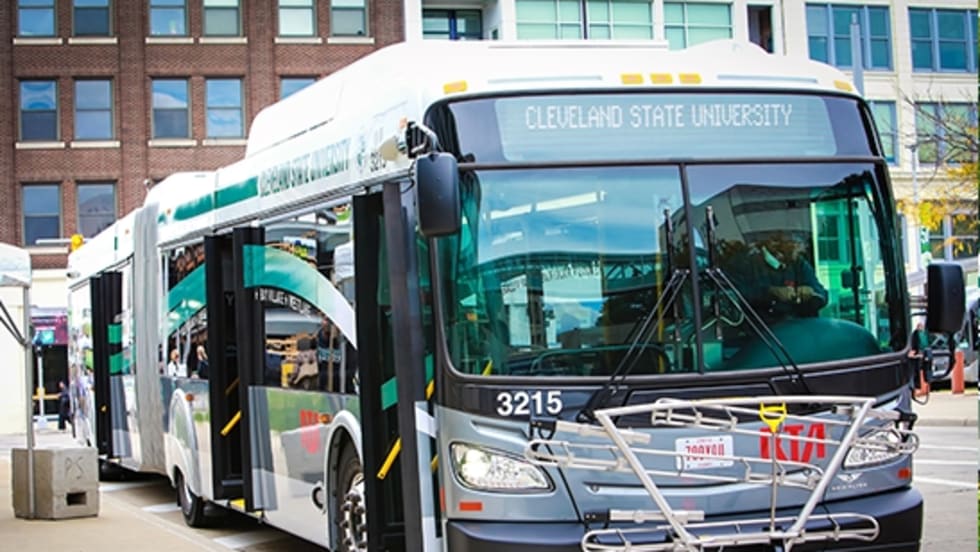
The new route will offer commuters an upgraded ride on new, specially-designed vehicles fully branded for CSU. Stations connect commuters traveling from the downtown campus through Cleveland’s West Side along Clifton Boulevard and with branch routes connecting multiple West Shore communities.
Read More →Originally installed in April 2012, the “Wayside Energy Storage Project" captures braking energy for redistribution into the SEPTA power network while generating revenue with behind the meter load response to sustain the local grid and the wholesale energy market.
Read More →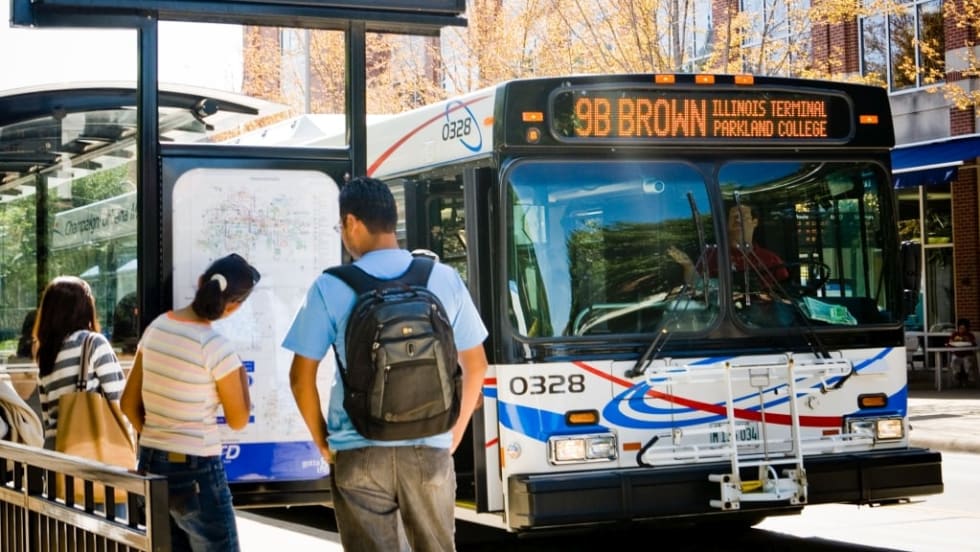
The study looked at two possibilities for the year 2050 — what would happen if cities continue with business as usual, and what would happen if they start to follow some of the most transit-friendly cities today, like Copenhagen or Tokyo.
Read More →