



ABB’s energy storage work with the SEPTA wins innovation award
Originally installed in April 2012, the “Wayside Energy Storage Project" captures braking energy for redistribution into the SEPTA power network while generating revenue with behind the meter load response to sustain the local grid and the wholesale energy market.

Power and automation technology group, ABB, today announced that their work to transform the Southeastern Pennsylvania Transit Authority (SEPTA) system into both a smart consumer and producer of energy has won the prestigious award for “Innovation in Mobility” at the Energy Storage North America (ESNA) conference, the largest grid energy storage event.
ABB led the design, supply and integration of the “Wayside Energy Storage Project” within SEPTA‘s aging transit infrastructure. Originally installed in April 2012, the system captures braking energy for redistribution into the SEPTA power network while generating revenue with behind the meter load response to sustain the local grid and the wholesale energy market.
Results achieved to date show that the single substation system on the Market-Frankford Line in North Philadelphia generates over $250,000 of annual energy savings and earned revenues. The initiative supports SEPTA’s Sustainability Program goal of reducing energy intensity (energy use per passenger mile) by 10% by 2015.
“SEPTA is proud to receive this award,” said SEPTA Chief Engineer Andrew Gillespie. “Initiatives such as the Energy Optimization Project are key elements in SEPTA’s overall Sustainability Program, the success of which is critical to transit agency’s ability to serve its riders and the Philadelphia region for both the short- and long-term.”
“Recovering energy lost during braking is one of SEPTA’s primary energy-saving initiatives,” said Jacques Poulin, Product Manager of Energy Storage, ABB Railway. “Eventually, the industry-wide deployment of these smart grid technologies will deliver substantial economic and environmental benefit to public transit systems.”
The transit authorities are uniquely positioned to forever change their cost structure by harnessing regenerative braking. “Regenerative braking” captures the kinetic energy of the decelerating vehicle and converts it into electricity. ABB deployed the ENVILINE™ ESS which connects to the catenary or “third rail” of the train system to recover this otherwise wasted energy. In this project, the functionality of the ESS was expanded to feed the energy back to the trains, while additionally modulating the load of the substation as a revenue generating asset connected to the PJM network, the regional transmission organization (RTO) that coordinates the movement of wholesale electricity.
More Rail
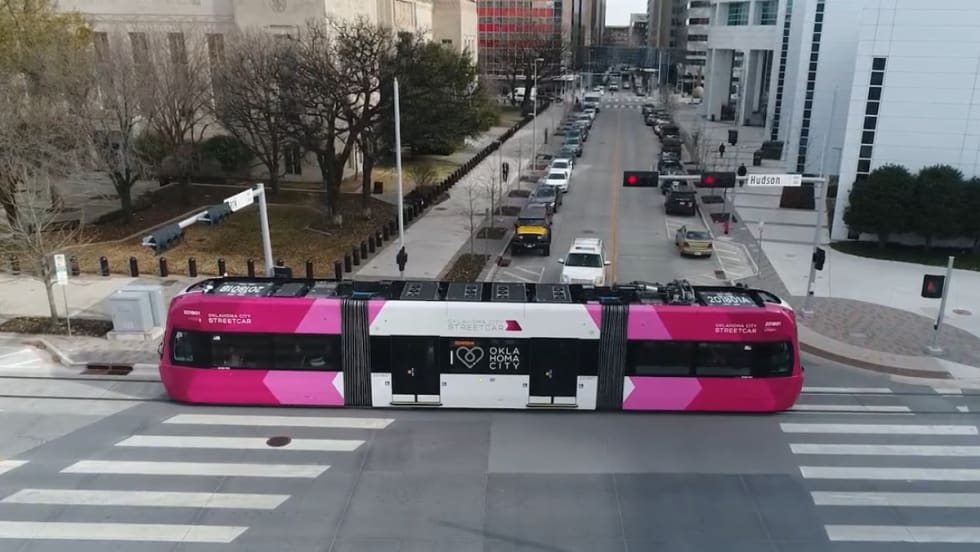
OKC Streetcar Makes Zero-Fare Service Permanent
Ridership increased an average of 71% compared with the same period a year earlier during the fare-free pilot.
Read More →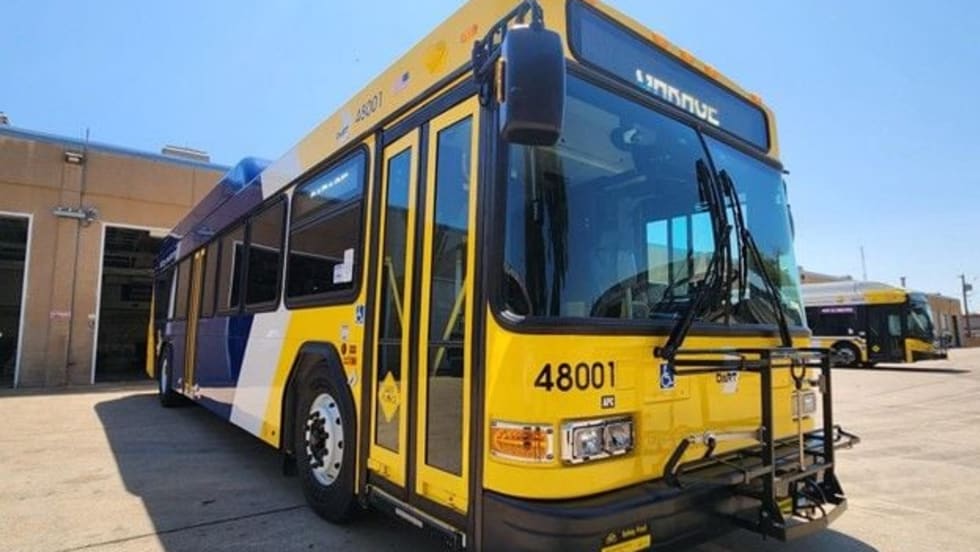
DART Customer Satisfaction Reaches Six-Year High
Overall satisfaction rose to 74.9%, while the agency’s Net Promoter Score reached a record 33.7.
Read More →
How DART's GoPass Is Redefining Regional Mobility
Serving 14 transit agencies, GoPass simplifies multimodal travel by allowing riders to plan, pay for, and manage an entire trip through one app.
Read More →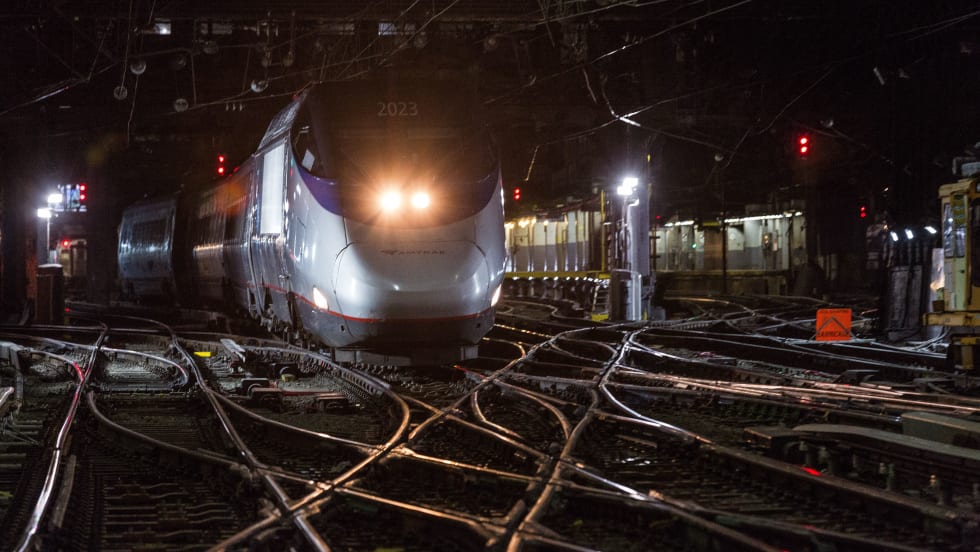
Amtrak Board Advances Plan to Restructure Organization, Seeks Public Input
The proposal, developed by Amtrak management and approved by the board for further consideration, is intended to modernize the organization's structure while improving accountability, operational efficiency, and customer service.
Read More →
Biz Briefs: STV teams with Amtrak, Motorcoach Operators Boost Fleet and Land Contracts, and More
From manufacturers and suppliers to transit agencies and motorcoach operators, these updates offer a snapshot of the projects, partnerships and business moves driving the industry forward.
Read More →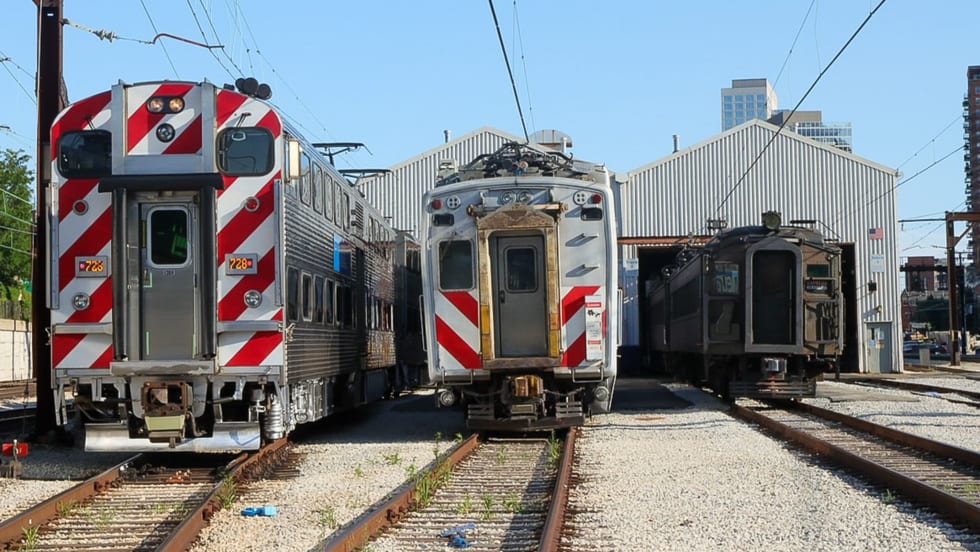
Metra Celebrates 100 Years of Electric Rail, Looks to the Future
The event was also a celebration of recent reforms to public transportation in the Chicago area, changes that could be as transformative in the future as the major civic achievement a century ago, said officials.
Read More →
LA Metro Marks Banner Year, Sets Ambitious Goals for New Fiscal Year
Incoming LA Metro Board Chair and Los Angeles Mayor Karen Bass joined outgoing Board Chair Fernando Dutra and LA Metro CEO Stephanie Wiggins to review accomplishments from fiscal year 2026, which included the opening of new rail extensions, advancement of major transit projects, expanded safety programs, and new rider amenities.
Read More →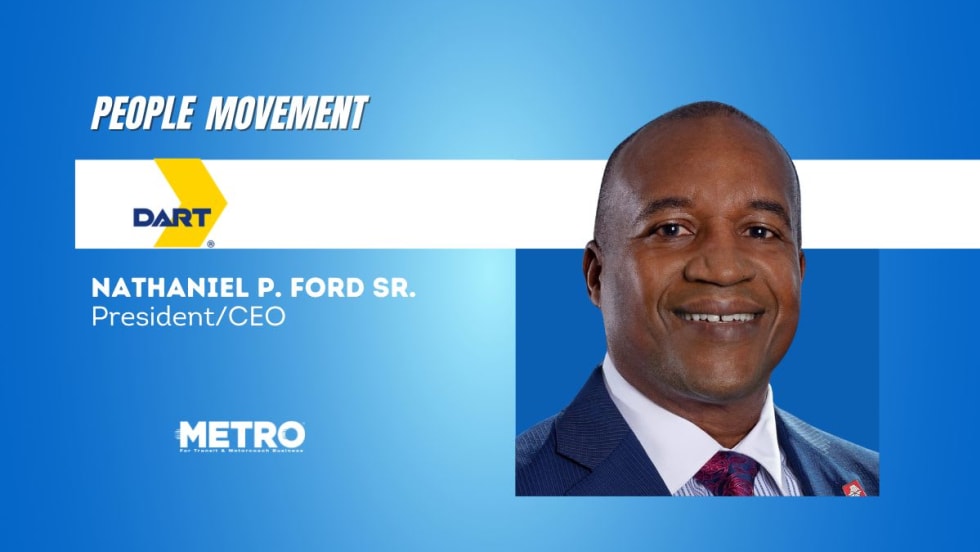
DART Taps Nathaniel P. Ford Sr. as Next President/CEO
Since 2012, Ford has served as the CEO of the Jacksonville Transportation Authority
Read More →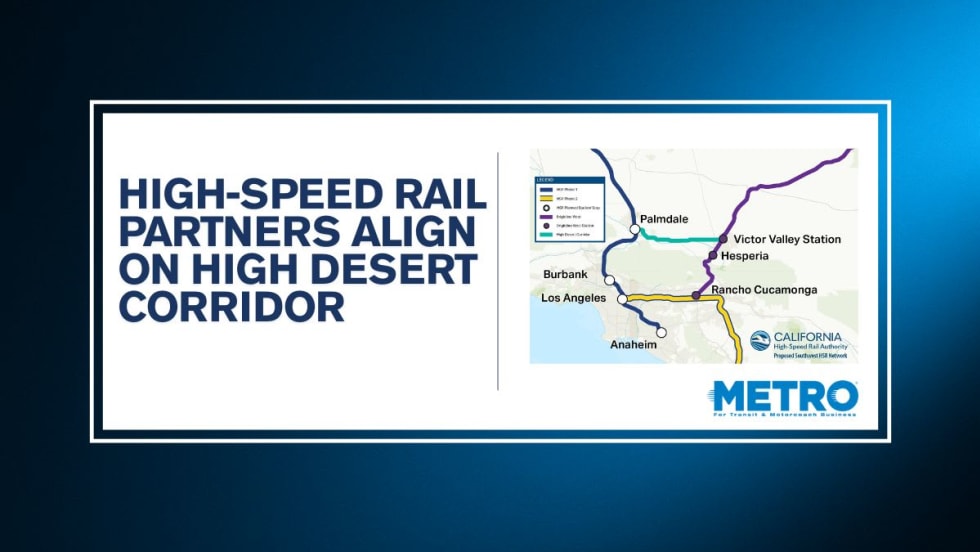
California High-Speed Rail Authority Signs MOU to Advance High Desert Corridor
The agreement deepens collaboration between the California High-Speed Rail Authority and the High Desert Corridor Joint Powers Agency, supporting design integration, cost savings, and faster delivery of a key Southern California rail link.
Read More →
Building the Next Generation of Transit Technology
In this edition of METROspectives, Luminator CEO Magnus Friberg discusses the company's transformation, the growing role of AI and software, and what's next for transit technology.
Read More →