
Metro Magazine

 MENU
MENU SEARCHMENUSEARCH
Provides transit managers immediate access to error reports, such as camera video-loss events or failed DVR recordings, when logged into the system. Reports now also provide an evaluation and time stamp of which vehicles encounter technical or power errors.
Read More →To help meet the challenges, the U. of N.M. and Central New Mexico Community College, which get 75,000 daily commutes combined, should make a combination of improvements in the areas of parking, transit, and policy changes, according to officials.
Read More →School also has approval to launch year-round, weekday service to Rochester with stops in Barrington and Lee. The bulk of the money for both projects will come from the federal transportation department.
Read More →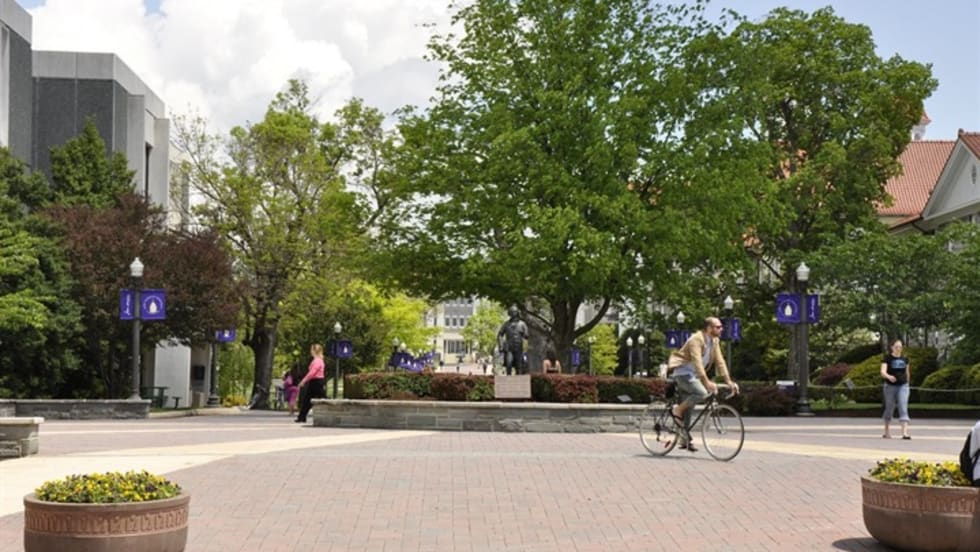
Will change on-campus navigation with the addition of four gates, reconfigured parking lots around portions of the campus, some bike lane and crosswalk modifications, and the addition of a bus staging area.
Read More →If approved, the student transportation fee would rise from $73.50 to $142 at a rate of about $14 per year, beginning in the 2011-12 school year and continuing until 2015-16, which would help offset an expected $6.1M increase in transportation costs.
Read More →Since most College of Engineering classes are held on the Centennial Campus, where students don’t typically live, most students need to take the buses, which quickly become overcrowded.
Read More →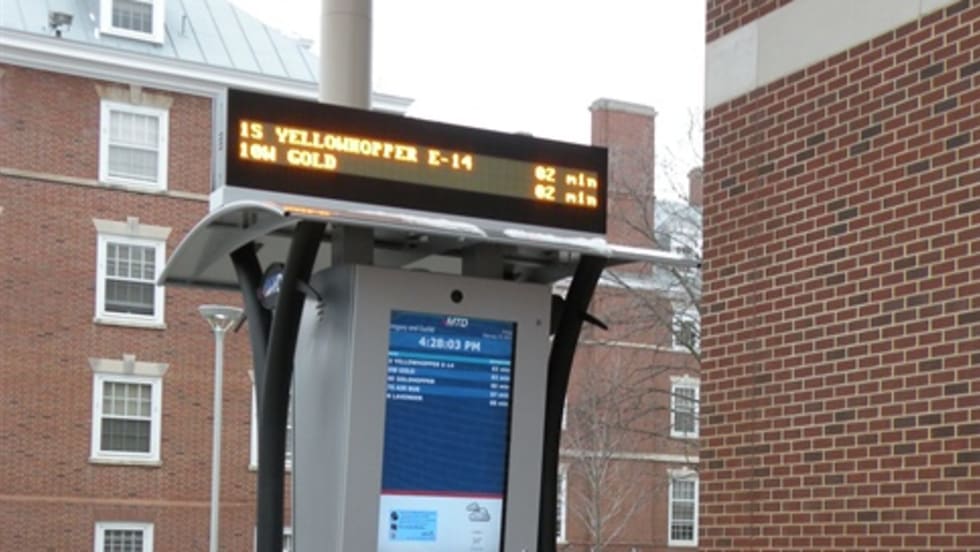
Five information kiosks, displaying scheduled bus arrivals, anticipated wait times and re-routes, are currently in operation along routes on campus. The transit district will eventually install 22 kiosks.
Read More →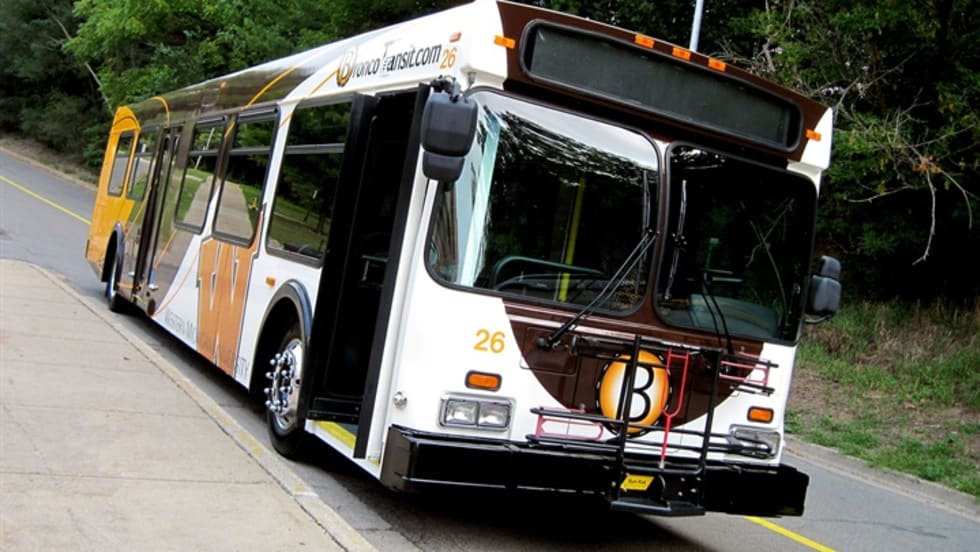
Allows students to track bus locations in real-time online via their computer or mobile devices such as cell phones, iPods or iPads.
Read More →The development team, led by Forest City Enterprises and Urban Atlantic Development, will create a signature transit oriented development project around the New Carrollton Metrorail station in Prince George’s County.
Read More →During the agency’s one-week challenge, “Try 1 in 5,” which took place from Feb. 13 to 19, participating employers saved 373,263 miles from being driven alone and kept an estimated 8,114 pounds of pollution — or four tons — out of the air.
Read More →