



Fire suppression system
The FMNA Fire Suppression system from USSC is the only system to attach all three components of the fire triangle: heat, oxygen and fuel.
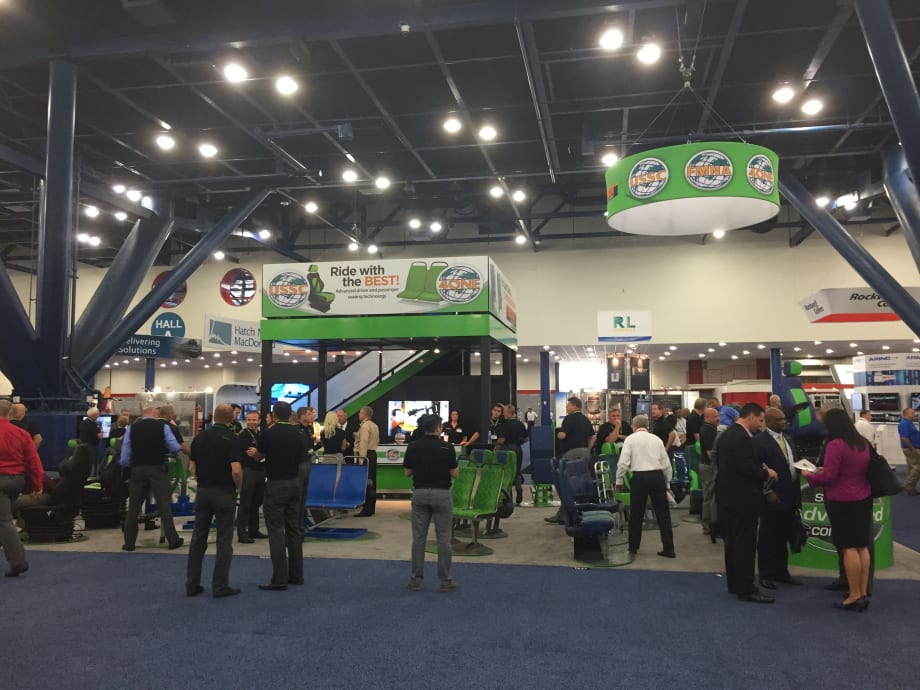
The FMNA Fire Suppression system from USSC is the only system to attach all three components of the fire triangle: heat, oxygen and fuel. In the evaporation process, the water mist cools the burnt gases and hot parts in the engine compartment. The cooling contributes to rapid fire suppression and reduces the risk of reigniting. During the evaporation, the small water drops evaporate immediately upon contact with heat. In the evaporation, one liter of water forms 1,700 liters of water vapor. The vapor increases the water content of air, supported with an AFFF foam agent, which prevents a new supply of oxygen to the fire. The water mist also includes an addition of foam that blankets the fuel on flammable oil products to prevent restarts.
More Products
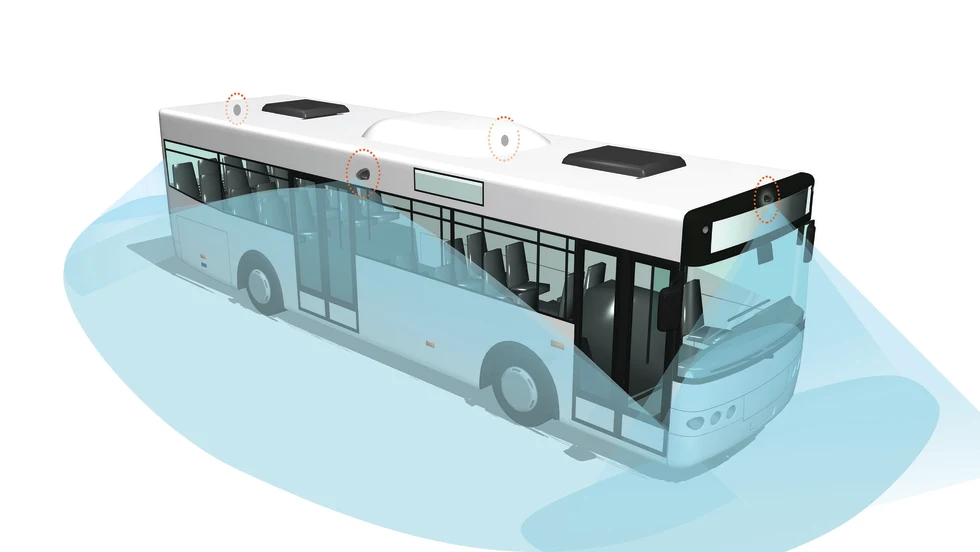
Safe-T-Scope360
Four camera images, either shown together or separately, provide a 360-degree surrounding view of the vehicle.
Read More →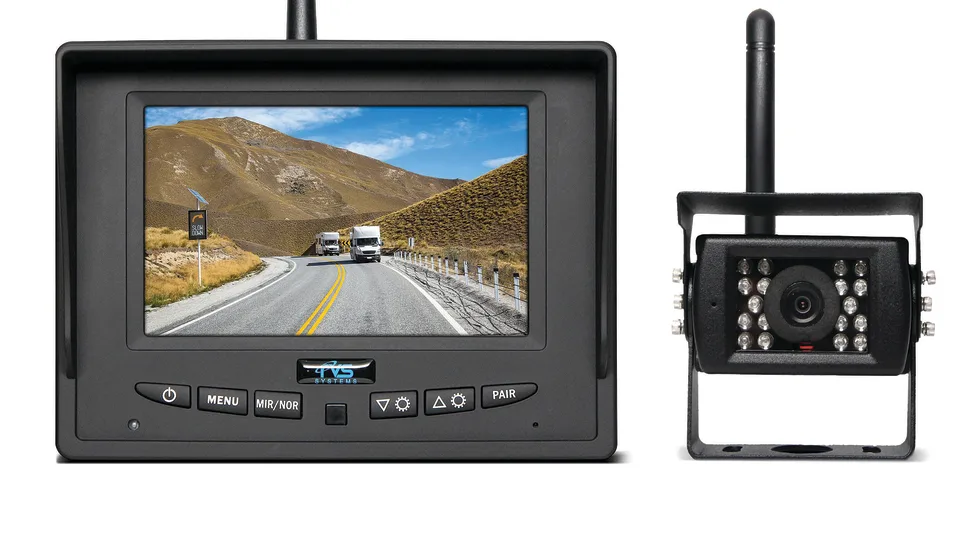
Backup Camera System
This new five-inch digital wireless backup camera system installs in minutes and is waterproof.
Read More →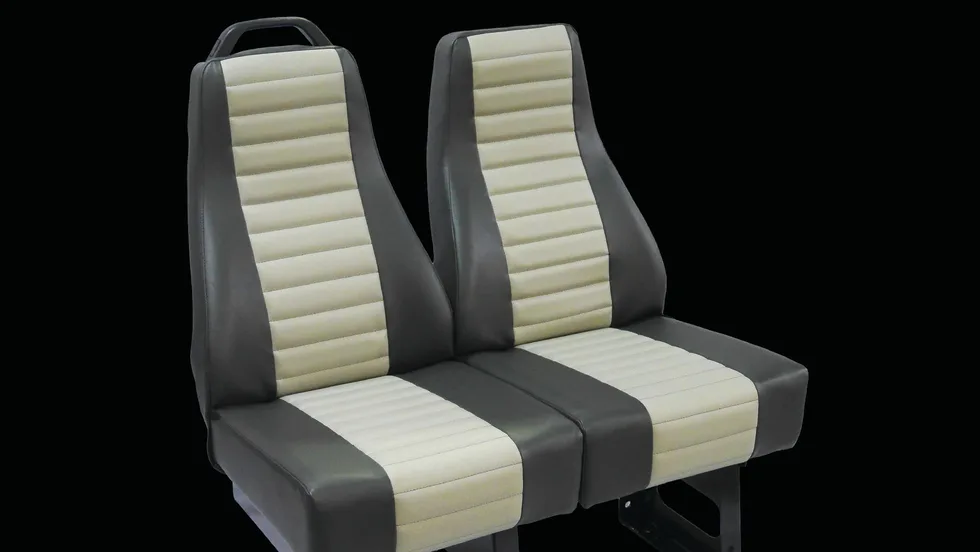
Helium Bus Seat
The seat is ideal for shuttles, tour, and charter buses, as well as paratransit buses.
Read More →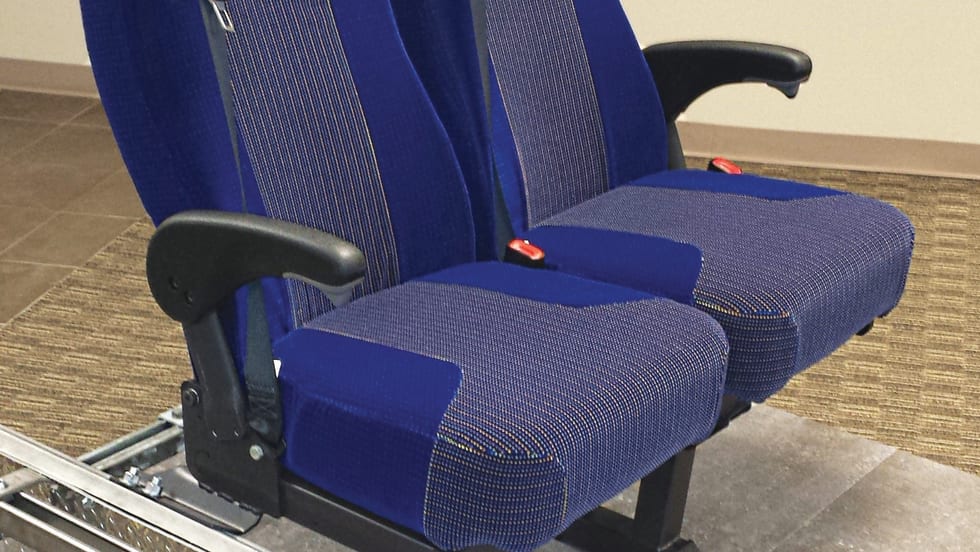
Heavy duty mounting channels
Halfen channels provide a durable, adjustable, and long-term fixing method.
Read More →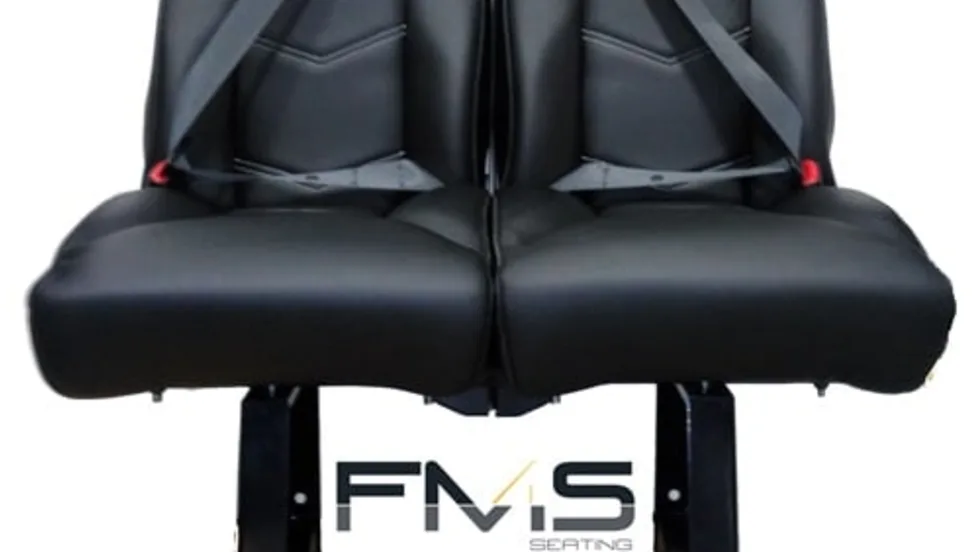
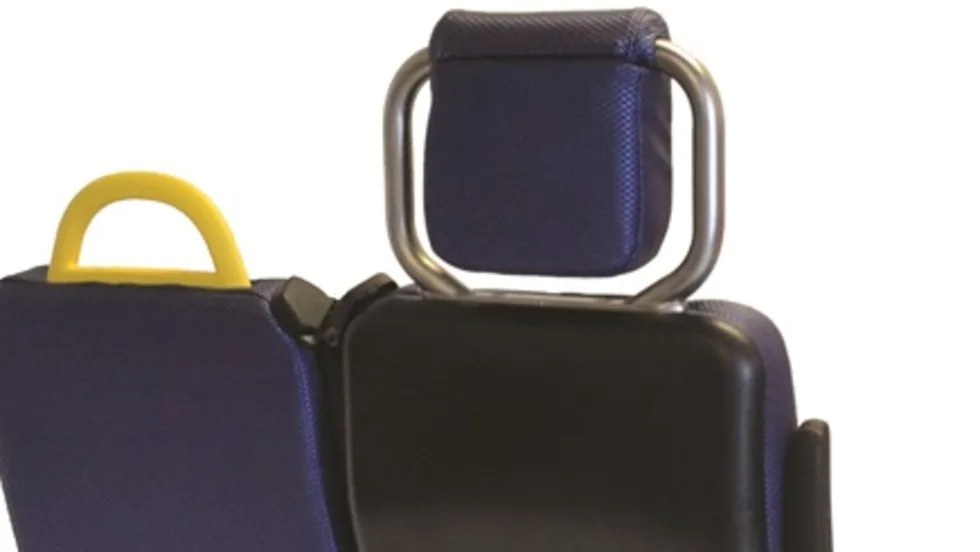
Freedman GO-ES Seat
SplitFlip or Foldaway variations can accommodate varying combinations for added aisle space, strollers, shopping carts, and more.
Read More →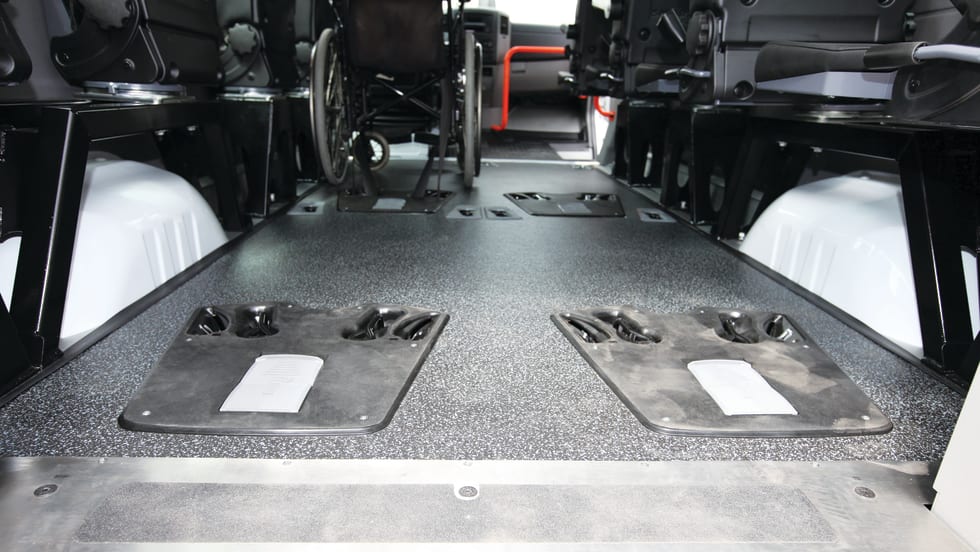
Hide-A-Way wheelchair securement
The Hide-A-Way frees up valuable sloor space and increases passenger capability.
Read More →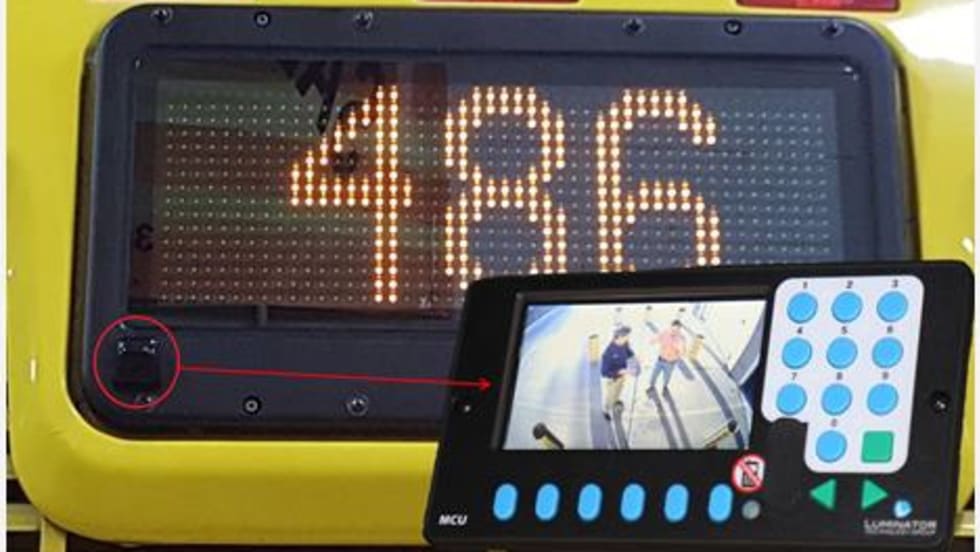
Luminator's Standalone Rear View Camera
Luminator announced a standalone Rear View Camera for mass transit buses. This standalone camera version complements the previously announced rear view camera integrated into a rear sign.
Read More →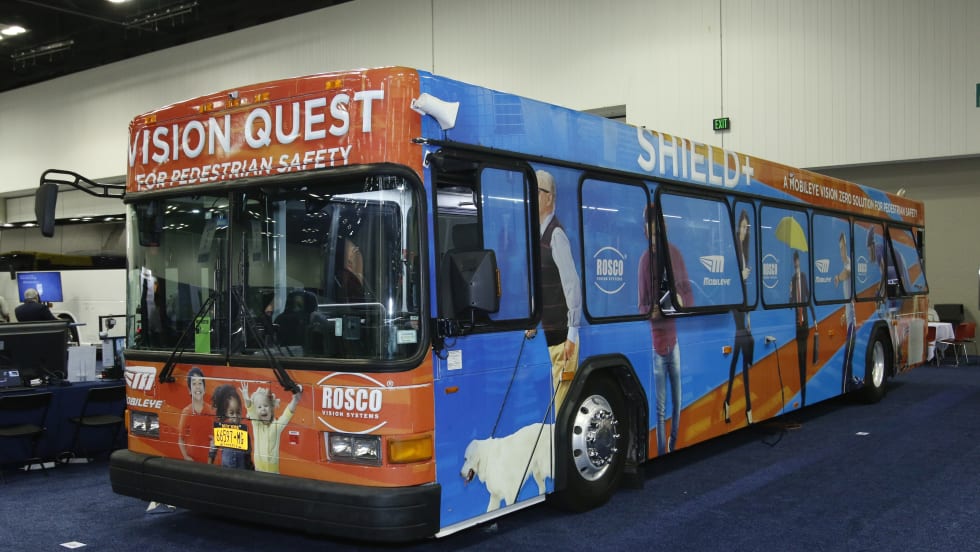
Vision Quest
Rosco and Mobileye’s Vision Quest system yields simple left, center and right alarm interfaces that communicate audio and visual alerts to drivers based on the location of a pedestrian and severity of the threat.
Read More →