
Metro Magazine

 MENU
MENU SEARCHMENUSEARCH
More than 350 transit systems are providing free transportation to vaccination sites or using their transit stations and facilities as vaccination sites, and some have even converted buses and other transit vehicles into mobile clinics.
Read More →
The funds will support comprehensive planning efforts that help connect communities, improve access to public transportation and affordable housing, and promote equitable delivery of benefits to underserved communities.
Read More →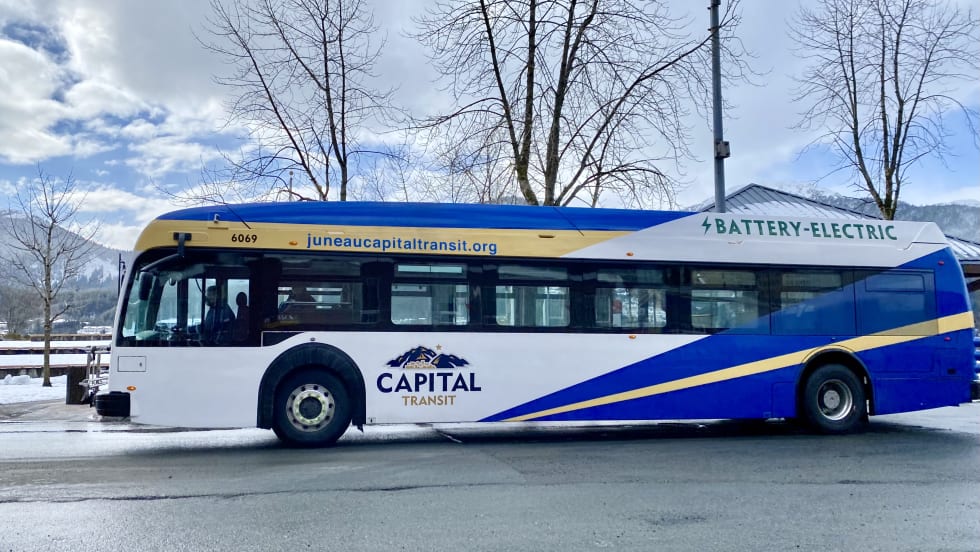
Original funding for the electric bus came from the FTA through the Low- or No-Emission Grant Program.
Read More →
Funding is provided through the American Rescue Plan Act of 2021 (Pub. L. 117-2), signed by President Biden on March 11.
Read More →
Priority will be given to projects that help improve air quality and support environmental justice.
Read More →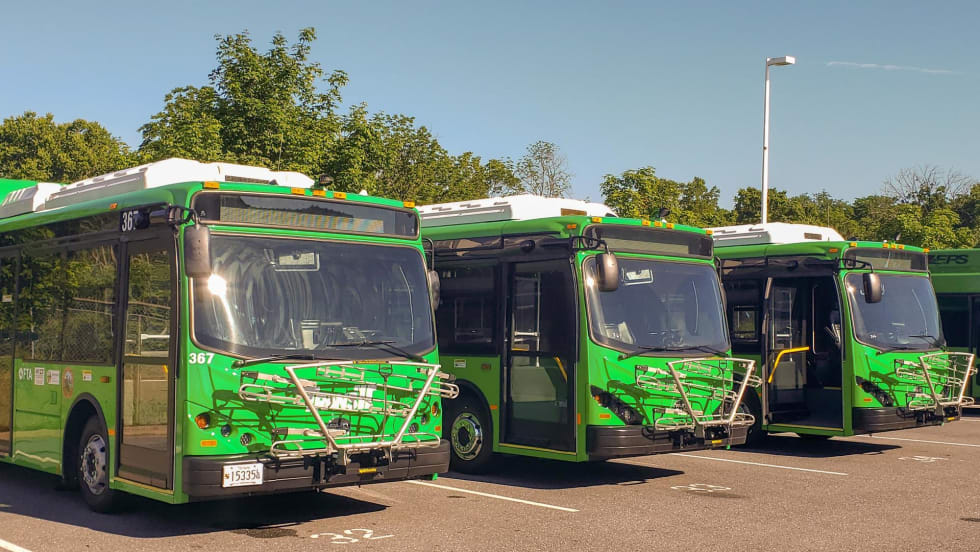
Under FTA’s TVIDC program, CTE formed the panel to address transit bus testing and research topics related to zero-emission bus development and adoption.
Read More →
The selected projects include solutions such as implementing new cleaning and disinfecting protocols, contactless payment systems, and modernized data collection.
Read More →
The goal of the pilot program is faster delivery of new transit infrastructure projects.
Read More →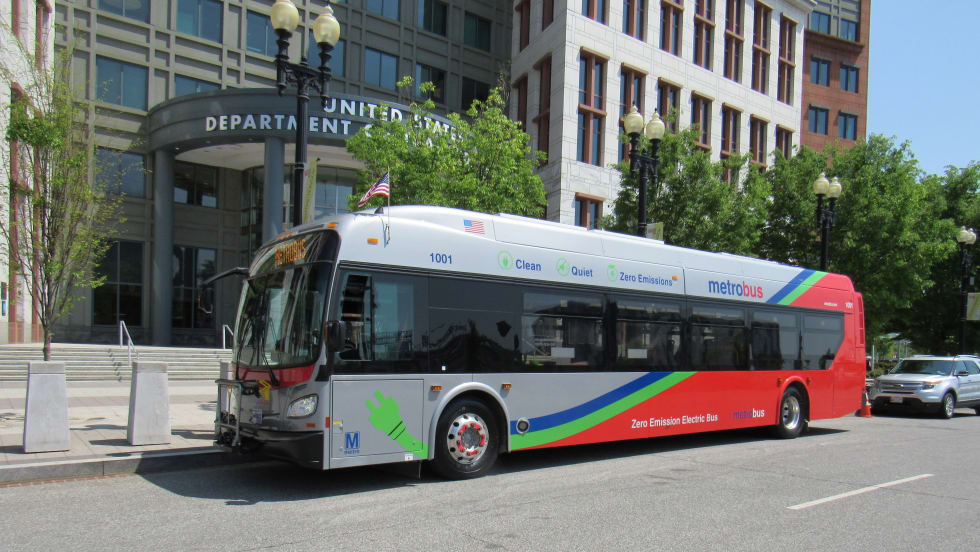
Funding is provided through the Coronavirus Response and Relief Supplemental Appropriations Act of 2021 (CRRSAA) (H.R. 133), signed in December.
Read More →The project consists of a 26.6-mile second track on NICTD’s South Shore commuter rail line between Gary and Michigan City.
Read More →