



CTE Report Highlights ZEB Guidance from Transit Leaders
Under FTA’s TVIDC program, CTE formed the panel to address transit bus testing and research topics related to zero-emission bus development and adoption.
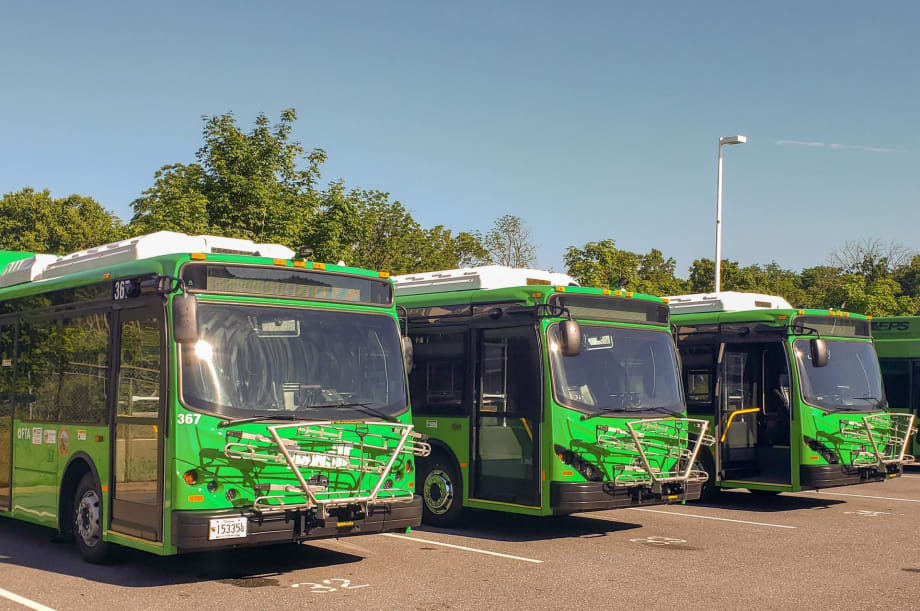
The panel report suggests strategies aimed at improving and guiding five key elements of the growing zero-emission transit industry.
BYD
The Center for Transportation and the Environment (CTE) released the “Transit Vehicle Innovation Deployment Centers (TVIDC) Advisory Panel Overview and Conclusions” report, which provides the conclusions of the panel and details its suggested solutions to challenges of continued innovation, development, and adoption of zero-emission transit technologies. The was prepared by CTE and published by the Federal Transit Administration (FTA).
Under FTA’s TVIDC program, CTE formed the panel to address transit bus testing and research topics related to zero-emission bus (ZEB) development and adoption. Participants include more than a dozen transit agency GMs, leading transit bus manufacturers, all three federal bus testing centers, and public transit advocacy groups including the American Public Transportation Association. Panel discussions were convened in August 2019 in Los Angeles and in January 2020 in Chicago. A third panel discussion was planned but due to the COVID-19 public health emergency was postponed. The report is based on the first two meetings.
The panel report suggests strategies aimed at improving and guiding five key elements of the growing zero-emission transit industry: bus testing facilities, innovation research, transit bus automation, workforce development, and collaboration with electric utilities. The strategies range from focusing research resources on efficiency improvements and resiliency to forming a collaborative working group between transit agencies and electric utilities. More information on the strategies and the panel discussions can be found in the report.
“The release of the Advisory Panel’s conclusions comes at a pivotal moment for the zero-emission transportation industry,” said Dan Raudebaugh, CTE’s executive director. “As efforts to decarbonize the transit industry gain momentum, a coordinated effort is necessary to effectively use research, program, and training resources.”
As a nonprofit organization with over 27 years of experience advancing and deploying ZEBs, CTE played a valuable role not only in bringing diverse stakeholders together but also bridging the gaps between these stakeholders to prioritize objectives and develop recommendations for the future of zero-emission transportation. Looking forward, the guidance in this report will be useful for program decision-making, equipping the FTA to provide effective programs that better serve the ZEB industry and accelerate the adoption of clean transportation technologies throughout the U.S.
More Zero Emissions

Caltrain’s Electrification Drives a New Era of Ridership Growth
The railroad’s shift to electric service has brought more frequent trains, stronger customer satisfaction, and increased ridership, earning it APTA’s Outstanding Public Transportation System award.
Read More →
Building a Flexible Path to Transit Electrification with BAE's John Hroncich
John Hroncich discusses BAE Systems’ modular and scalable approach, lessons learned from decades of real-world operations, and how agencies can identify electrification strategies that fit their fleets.
Read More →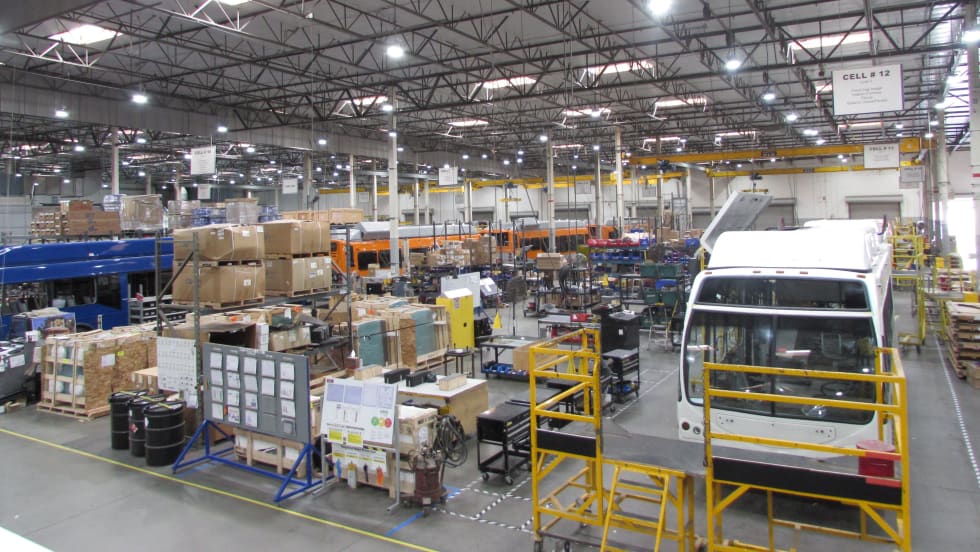
LA Metro Board Awards 220 Battery-Electric Bus Contract to ENC
The contract, which is the largest base award of battery-electric buses by a U.S. transit agency, will be built in Southern California, sustaining good jobs as LA prepares to welcome the world in 2028
Read More →
Public Transit Conference Returning to GFX in 2027, Call for Papers Now Open
The Call for Papers is now open, allowing transit agency professionals and industry experts to help shape the PTC educational program by submitting session ideas for consideration.
Read More →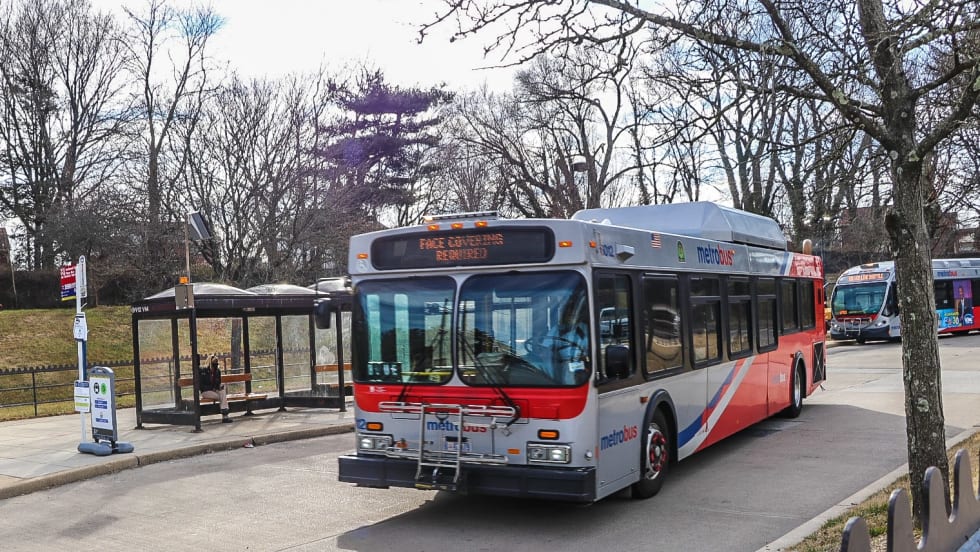
Report: Transit Bus Manufacturing Supports 34,100 Jobs, $5.1B in GDP
The “Buses Mean Business” report examines the transit bus manufacturing industry’s economic footprint, supply chain, and rising demand for vehicle replacements.
Read More →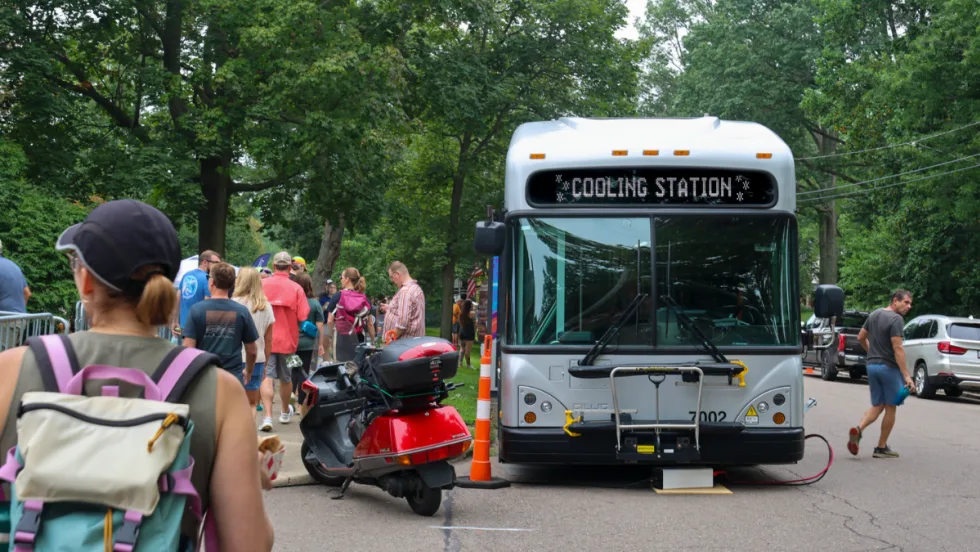
Ohio’s METRO RTA Turns Electric Buses into Mobile Power Sources at PorchROKR
See how three Gillig battery-electric buses powered festival stages while the agency’s new Park & Ride service carried approximately 1,000 attendees, demonstrating another potential use for transit agencies’ electric fleets.
Read More →
CALSTART and Forth Combine to Form Catalyst Mobility
The new name represents a renewed vision for the nonprofit focused on advancing clean, equitable, and affordable transportation solutions that move people and goods.
Read More →
Building a Flexible Path to Transit Electrification
John Hroncich discusses BAE Systems’ modular and scalable approach, lessons learned from decades of real-world operations, and how agencies can identify electrification strategies that fit their fleets.
Read More →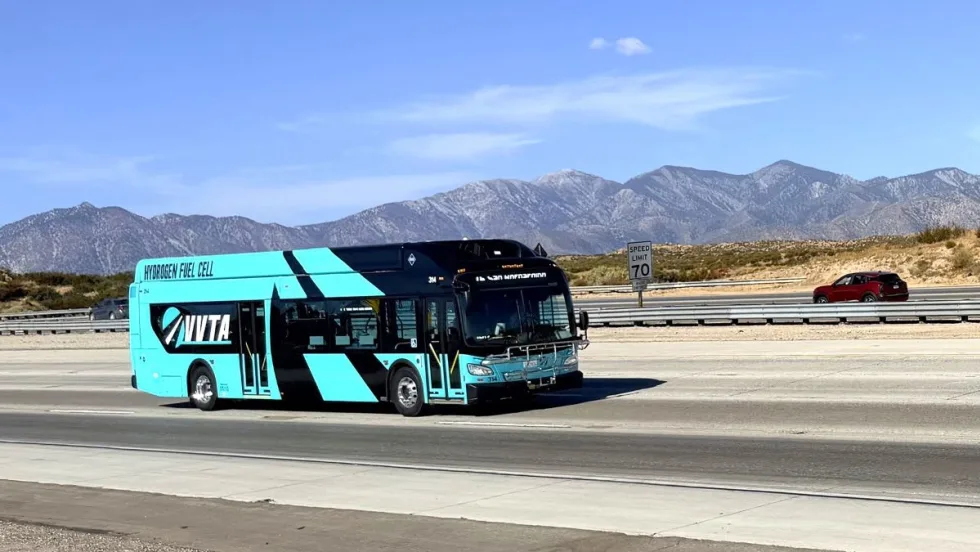
California's VVTA Begins Phased Rollout of Hydrogen Fuel Cell Buses
The agency is introducing 13 zero-emission buses into revenue service while evaluating performance across its urban, rural, and long-distance routes.
Read More →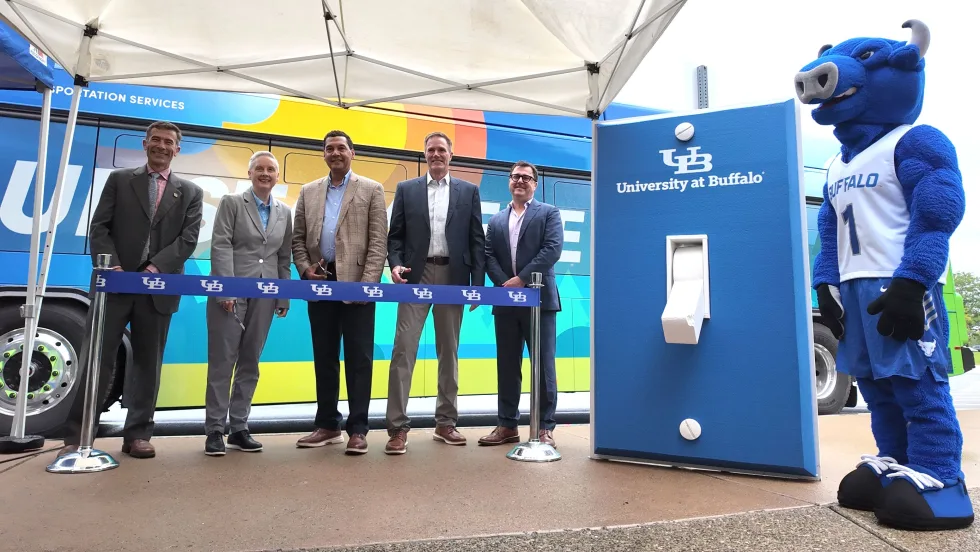
Inside Look: University at Buffalo Puts First 8 Electric Buses Into Stampede Service
UB, transportation solutions provider WeDriveU, and fleet electrification specialist Zenobē marked the deployment in the presence of students, university administrators, and local officials.
Read More →