
Metro Magazine

 MENU
MENU SEARCHMENUSEARCH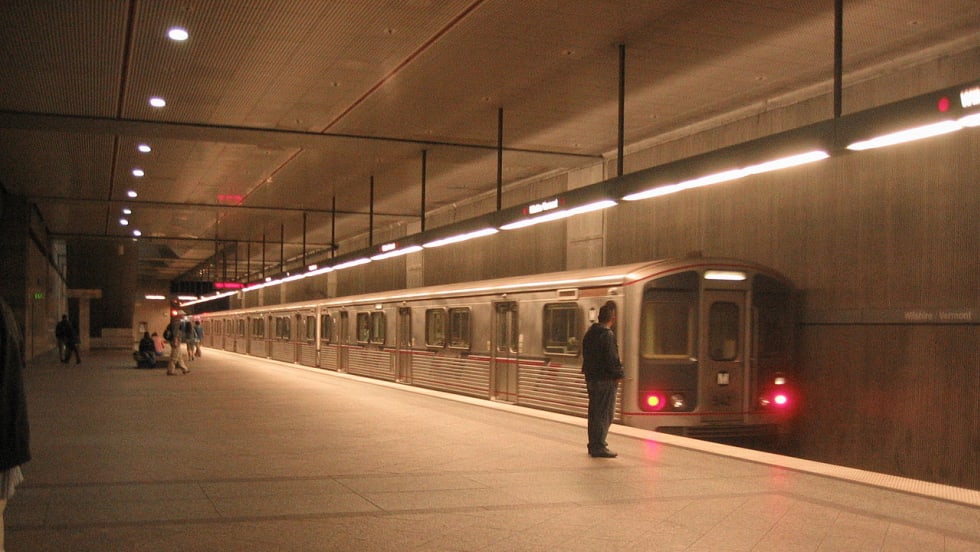
Will receive $1.25 billion in construction grant funds from the FTA's Capital Investment Grant Program and up to $856 million from the U.S. DOT's TIFIA loan program.
Read More →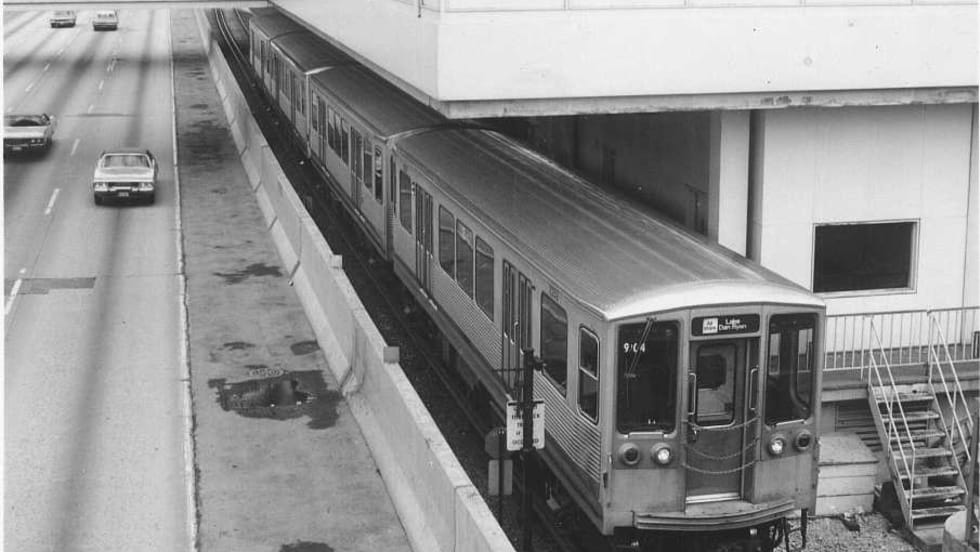
As part of the CTA 2013-2017 Capital Improvement Plan, the 9.4 mile Dan Ryan Branch of the CTA Red Line is being fully reconstructed. Improvements to the terminal will mean better bus and rail connections and reduced travel congestion and delays.
Read More →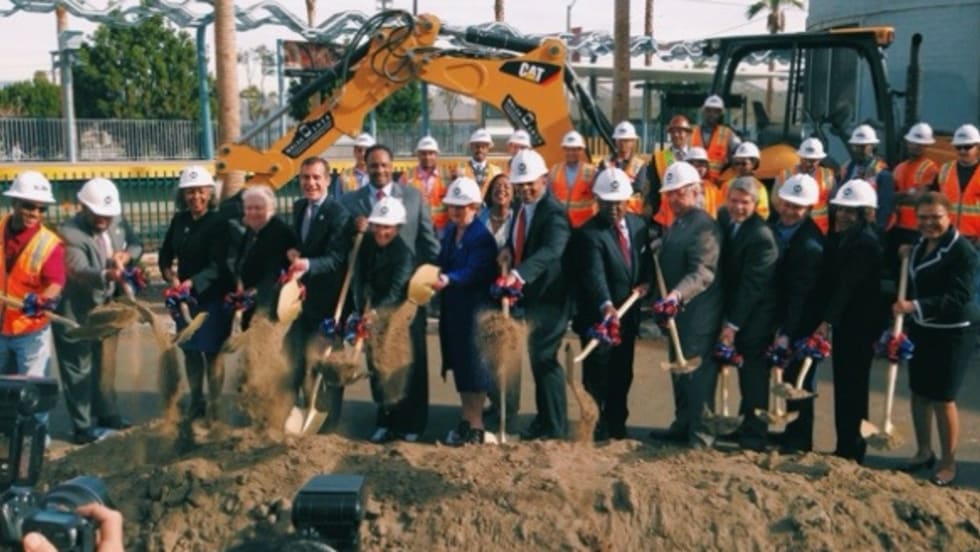
The Crenshaw/LAX transit corridor project consists of a new 8.5-mile light rail line, eight new transit stations, and three park and ride facilities. TIFIA provided a $545.9 million loan and the project also is expected to receive approximately $130 million in other federal funds.
Read More →
Features a simple, user-friendly interface and continues the committee’s rebranding, incorporating the use of “transport” in an identifiable new logo and across media platforms.
Read More →The extension, which will connect Irving, Texas, with Dallas Fort Worth Airport, is part of a long-term effort to create a 90-mile light rail network by 2014 to serve the Dallas metropolitan area.
Read More →The agency will use the TIFIA loan to advance construction of a 8.5-mile light rail line and at least six new transit stations with off-street parking.
Read More →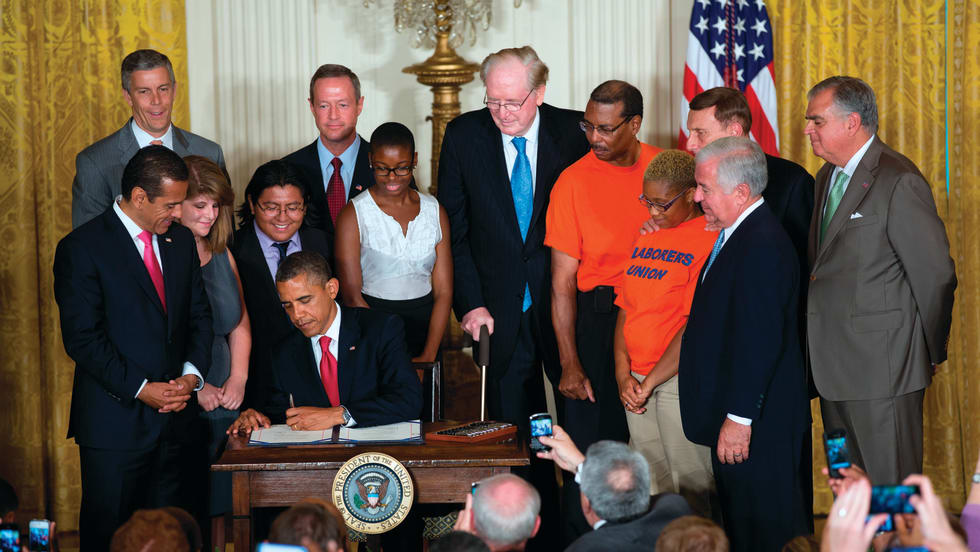
In July, Congress passed a new two-year bill – MAP-21. Highlights contained include an expanded TIFIA program as well as streamlined New Starts and project delivery processes.
Read More →He also announced the establishment of the Project Finance Center to help state and local government project sponsors analyze financial options for highway, transit, rail, intermodal and other surface transportation projects facing funding challenges.
Read More →The program provides Federal credit assistance to nationally or regionally significant surface transportation projects, including highway, transit and rail.
Read More →Will use loan to fund a portion of its contribution to the project and will begin drawing on the funds in 2013. In addition to FTA's contribution to the project, a consortium of private companies, known as the Denver Transit Partners, is responsible for financing around 24% of the project through tax-exempt private-activity bonds issued by RTD, equity contributions and other means.
Read More →