



LaHood announces availability of TIFIA funding
He also announced the establishment of the Project Finance Center to help state and local government project sponsors analyze financial options for highway, transit, rail, intermodal and other surface transportation projects facing funding challenges.

U.S. Transportation Secretary Ray LaHood announced the availability of up to $17 billion in loans for critical infrastructure projects across the country, encouraging states and cities across the country to submit letters of interest for the TIFIA (Transportation Infrastructure Finance and Innovation Act) program, which provides direct loans, loan guarantees, and standby lines of credit to major infrastructure projects with the potential to create jobs and spur economic development and growth.
“Americans have always done big things — not in spite of hard times, but as a means of overcoming them,” said U.S. Transportation Secretary Ray LaHood. “That’s why the Obama Administration is launching the largest infrastructure loan program in our history – these investments will help cities and states create jobs right away building the big transportation projects we need to make sure our economy continues to grow and prosper.”
The recently enacted surface transportation bill, known as MAP-21, provided $1.7 billion in capital over two years for the TIFIA credit assistance program, up from $120 million in FY2012, making it the largest transportation infrastructure finance fund in the U.S. Department of Transportation’s (U.S. DOT) history.
Each dollar of federal funds can provide approximately $10 in TIFIA credit assistance, meaning $17 billion in loans through TIFIA, which in turn can leverage $20 billion to $30 billion in transportation infrastructure investment. Altogether, the expanded federal loan program could result in up to $50 billion in federal, state, local and private sector investment for critical transportation projects across the country.
A wide range of critical transportation projects are eligible for the funding, including everything from highway and passenger rail projects to public transit and international bridges and tunnels. Because of the flexibility provided by the TIFIA programs, many qualified, large-scale projects that might otherwise be delayed or shelved can move forward quickly, providing an immediate boost to jobs while laying a foundation for continued economic growth.
To date, the TIFIA program has used $9.2 billion in funding to leverage more than $36.4 billion in private and other capital to help build 27 major transportation projects around the country.
In addition to announcing the availability of the expanded TIFIA funding, Secretary LaHood also announced the establishment of the Project Finance Center (PFC) to help state and local government project sponsors analyze financial options for highway, transit, rail, intermodal and other surface transportation projects facing funding challenges.
Through the PFC, the U.S. DOT will have a unique opportunity to provide technical assistance to state and local sponsors of surface transportation projects seeking financial support, making it easier for communities to build the transportation projects they need.
More Paratransit

Biz Briefs: RIPTA Unveils New Frontrunners, Clevland RTA Adds New Siemens, and More
In METRO's latest installment, we take a look at recent news from Siemens, Prevost, Dodge, and more partnerships making headlines across the transportation sector.
Read More →
King County Metro Makes ADA Paratransit Easier to Navigate
METRO's Innovative Solutions Award winner replaces complex service-area descriptions with an accessible, interactive map that puts paratransit information directly in customers’ hands.
Read More →
Jacksonville’s NAVI Project Charts a New Course for Autonomous Public Transportation
Through its NAVI program, JTA is showing how autonomous vehicles, intelligent infrastructure, and coordinated operations can work together to deliver everyday public transportation.
Read More →
Driving Smarter Paratransit
John Hanlon shares how AlphaRoute is leveraging AI-powered technology to help paratransit providers optimize operations, support frontline staff, and enhance the rider experience.
Read More →
METRO Magazine Announces 2026 Innovative Solutions Awards Winners
Projects Recognized for Advancing Mobility Through Technology, Accessibility, Workforce Innovation, and Operational Excellence
Read More →
Biz Briefs: STV teams with Amtrak, Motorcoach Operators Boost Fleet and Land Contracts, and More
From manufacturers and suppliers to transit agencies and motorcoach operators, these updates offer a snapshot of the projects, partnerships and business moves driving the industry forward.
Read More →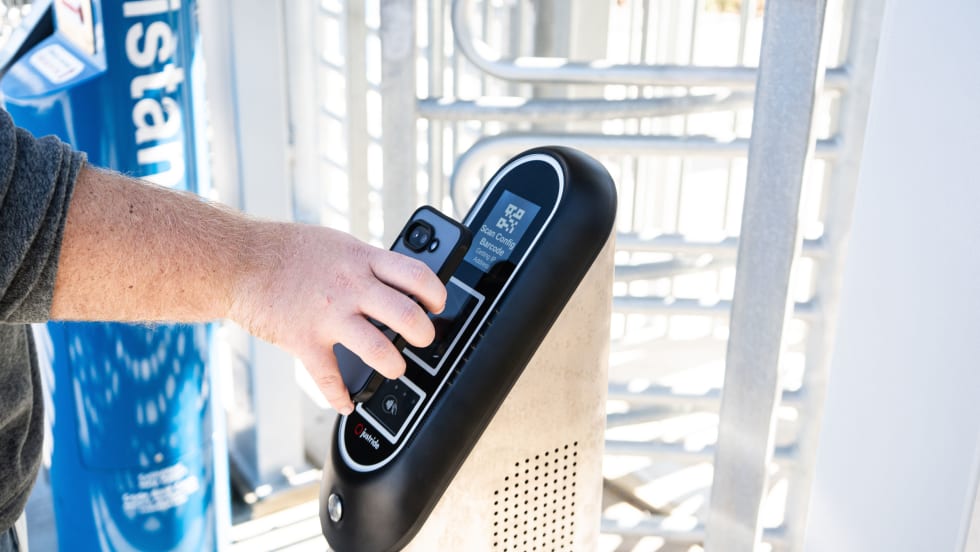
Biz Briefs: Masabi Teams with St. Louis Metro and More
In METRO's latest installment, we take a look at recent news from Transdev, Hitachi, and more partnerships making headlines across the transportation sector.
Read More →
New York MTA Leverages Zoning Program to Advance Station Accessibility
Accessibility enhancements at Nevins St Station will be financed through a development agreement tied to the MTA's Zoning for Accessibility initiative.
Read More →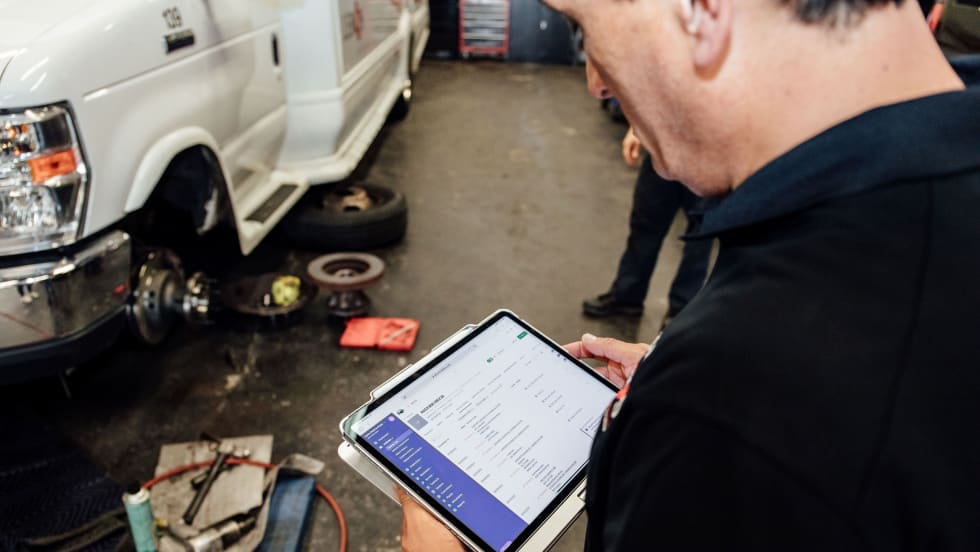
Reinventing Fleet Maintenance with Real-time Visibility and AI
Transit leaders need to know what needs fixing, where to look, who is responsible, when work is completed, and what it costs without having to chase information across disconnected systems.
Read More →
SamTrans Sets Priorities for Potential Connect Bay Area Revenue
The board-approved framework allocates future funding to maintaining service, rider improvements, equity initiatives, and infrastructure repairs.
Read More →