
Metro Magazine

 MENU
MENU SEARCHMENUSEARCH
The list of bus rapid transit (BRT) projects in North America continues to grow. The most commonly cited reasons for growth, include cost-effectiveness, implementation speed, and a wide flexibility of applications.
Read More →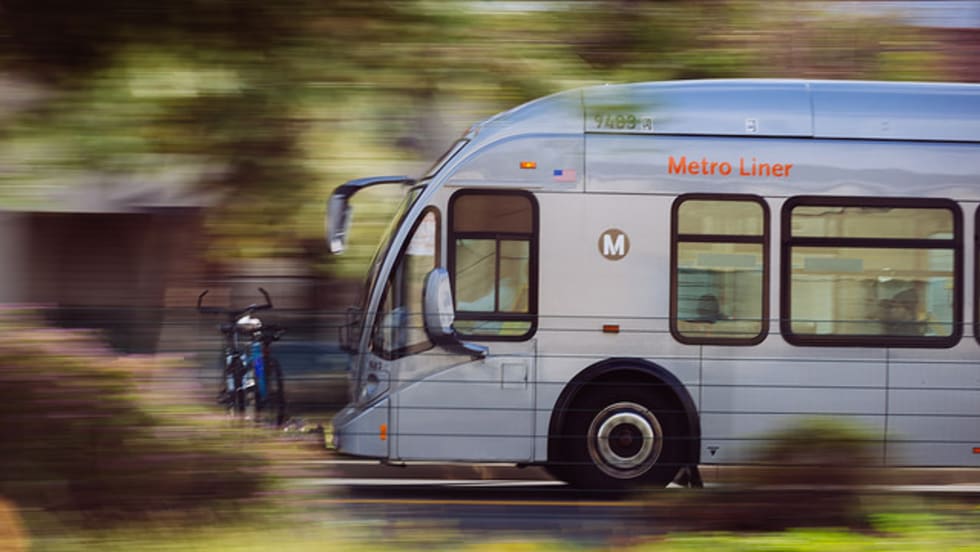
Agency received an unsolicited proposal from Fluor Enterprises Inc., to accelerate conversion of the Orange Line from bus rapid transit to light rail through a public-private partnership.
Read More →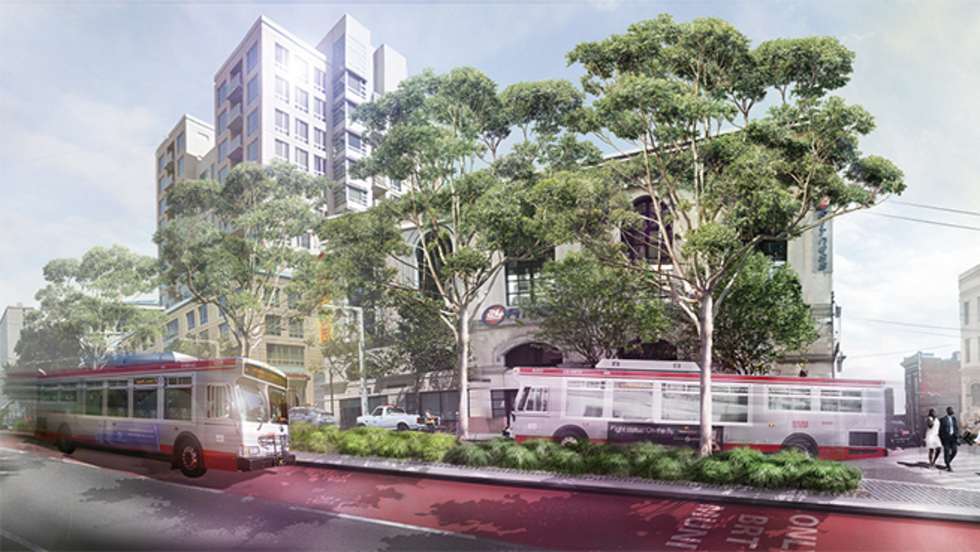
The CIG Program is the nation’s primary grant program for funding major transit capital investments. Projects accepted into the program must go through a multi-year, multi-step process.
Read More →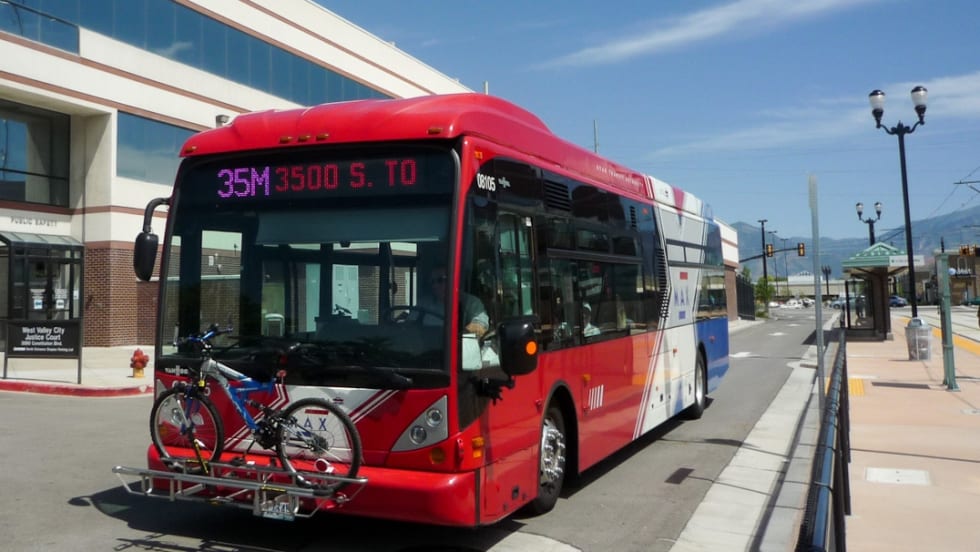
From the north, the line will originate at the Orem Transit Center and run to downtown Provo, with stops at Utah Valley University, Brigham Young University, and the Provo Central Station.
Read More →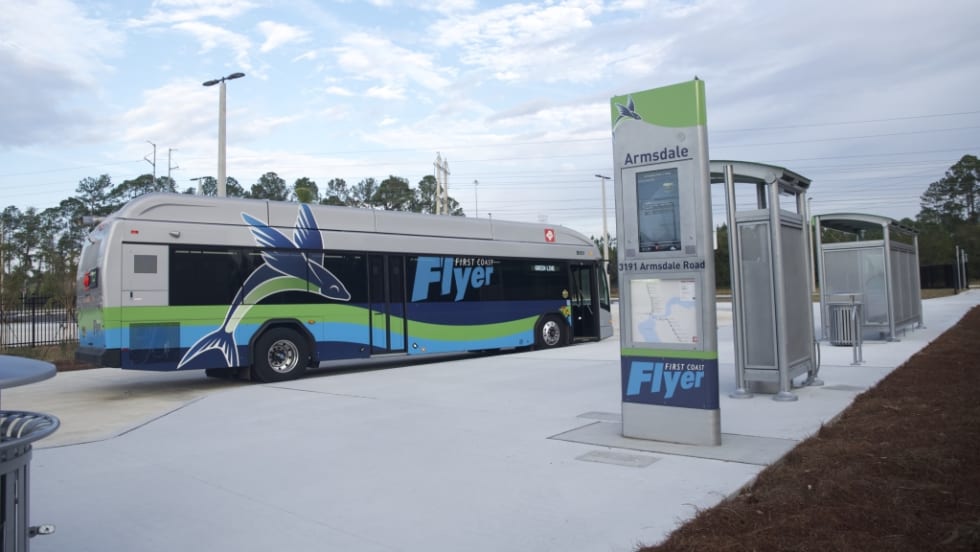
The 11.1 mile Blue Line on the Southeast Corridor features direct, high-frequency service; seven branded stations; transit signal priority at 18 intersections; and off-board fare collection.
Read More →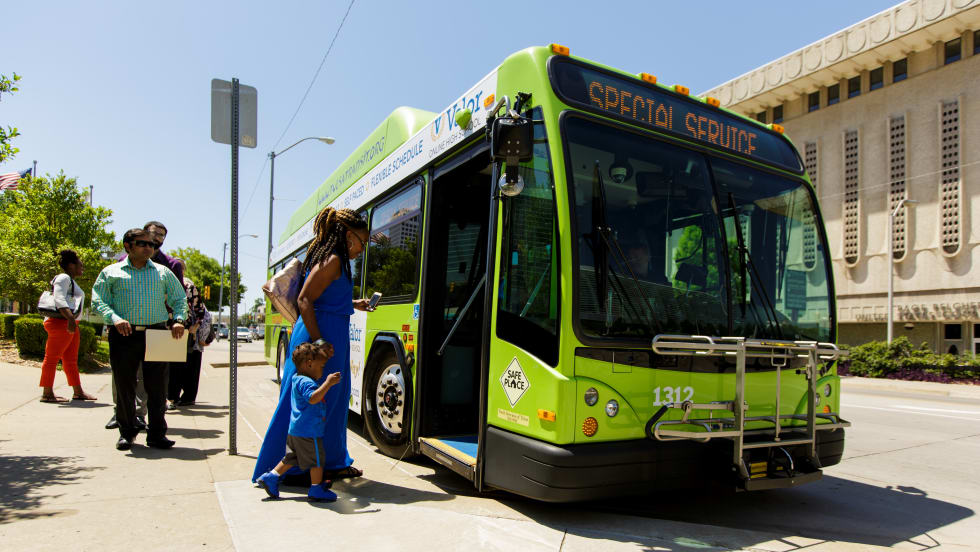
Recent approval of a sales tax plan provides the agency with its first-ever dedicated funding and a chance to jump-start multiple projects.
Read More →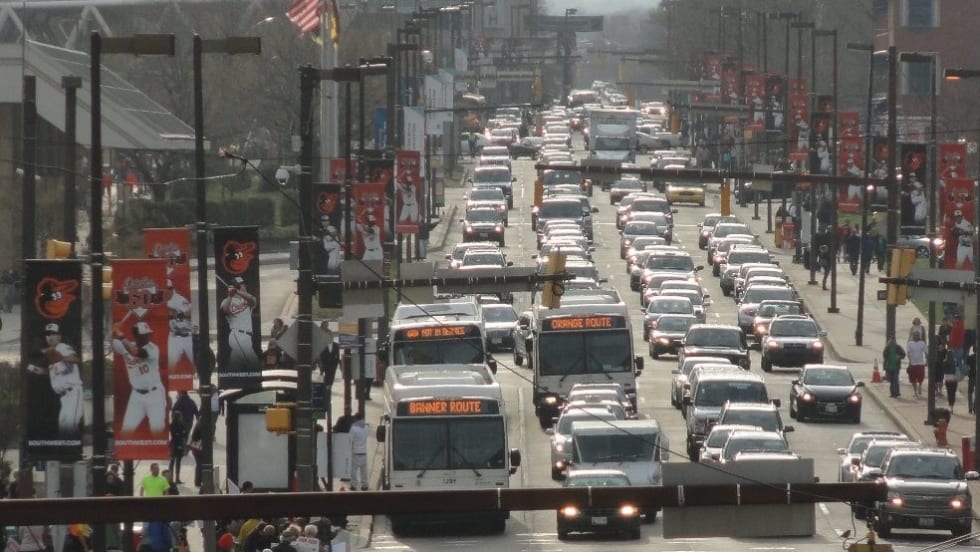
"The People's Alternative to BaltimoreLink" would cost $287 million and includes a BRT system along 14 miles of streets and additional stops along busy routes.
Read More →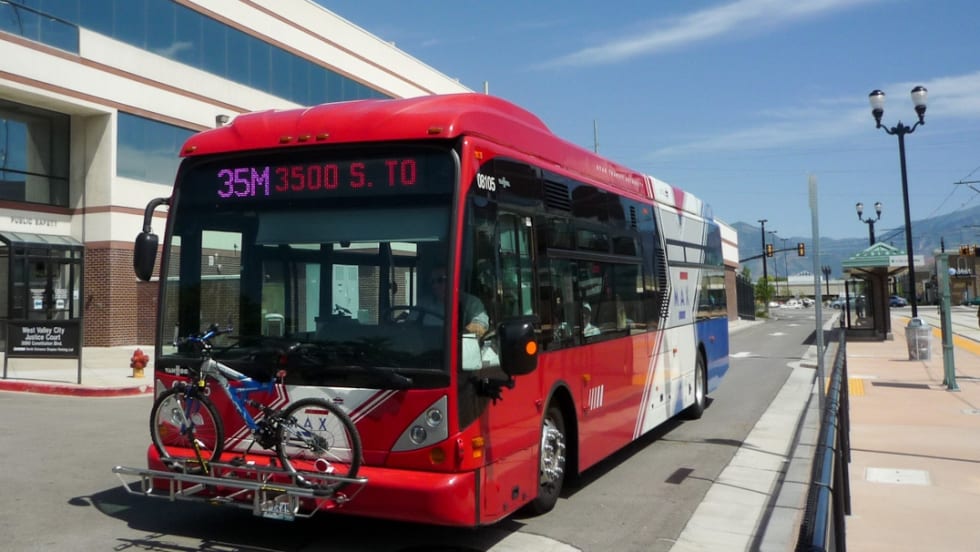
The petitioners believe Provo and Orem officials violated the Utah Constitution by refusing to accept their referendum petition.
Read More →
The Orange Line will be the highest ridership transit service ever tested for all-electric operation. The project is expected to demonstrate the durability and reliability of lithium-ion battery technology for high ridership transit lines.
Read More →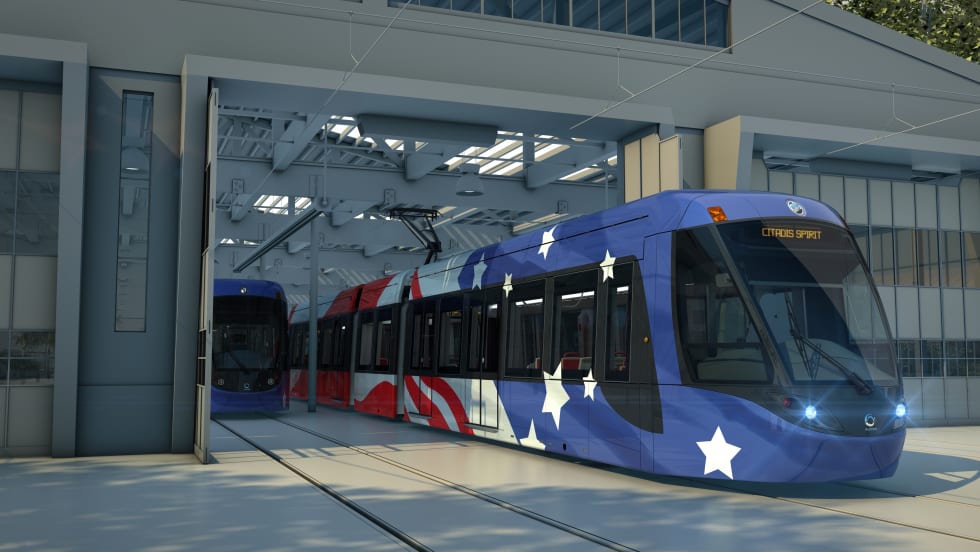
The study concluded that over a 30-year lifetime, a tramway system emits about 50 percent of the CO2 as a BRT system operated with diesel buses, and about 30 percent less CO2 than a BRT system operated with hybrid buses.
Read More →