
Metro Magazine

 MENU
MENU SEARCHMENUSEARCH
A bipartisan measure has been introduced in the lower chamber that would push back the deadline for most railroads to install automated train technology until December 2018.
Read More →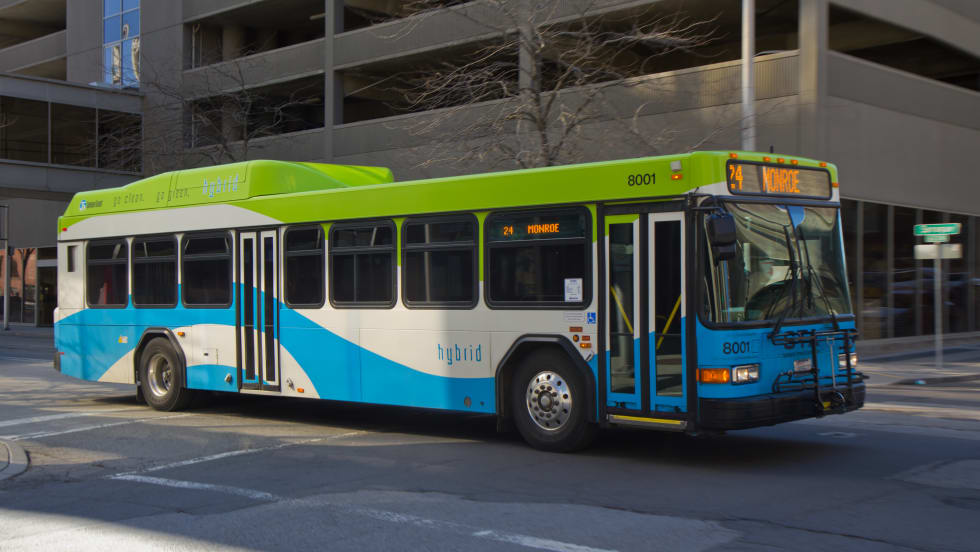
The $4.9 million technology was funded in part with $2.2 million in federal congestion mitigation grants. By making bus riding more efficient, the STA hopes to attract additional riders and get more cars off the streets.
Read More →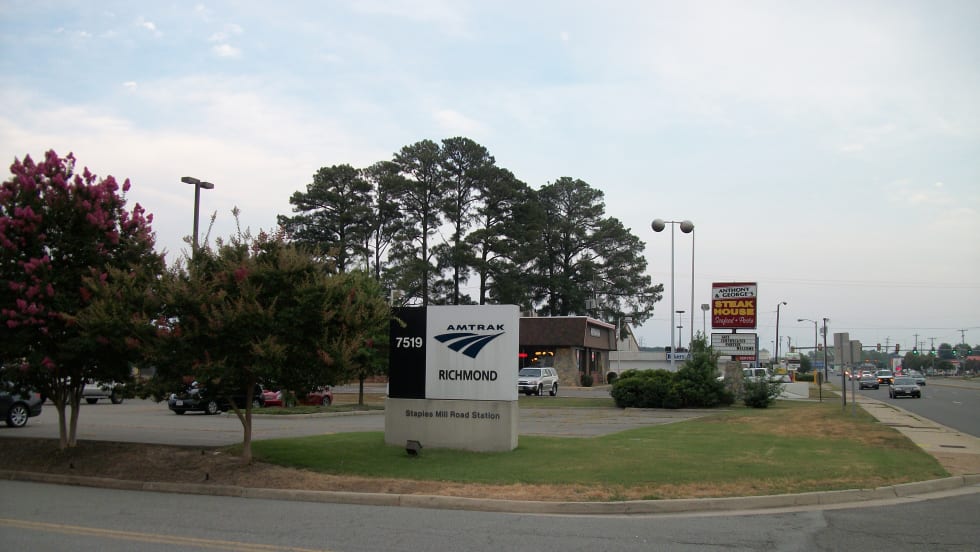
According to the agency, the train station lacks required public telephone technology for people who are deaf or hard of hearing; does not provide a visual information system for passengers waiting outside on platforms to update them about delays and schedule changes.
Read More →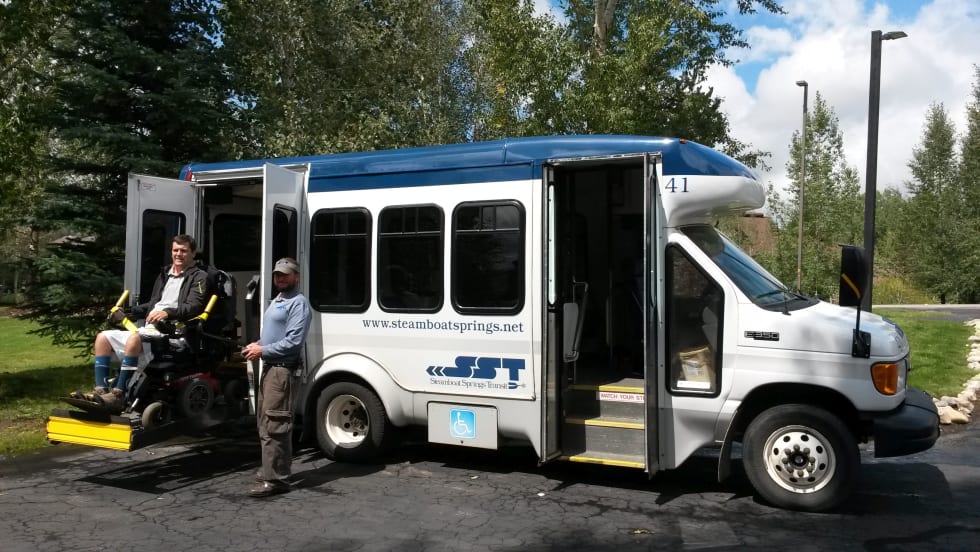
Recruitment and retention once again was the top driver-related challenge, with 48% reporting. Sixty-five percent of respondents implemented scheduling and dispatch software making it the most prevalent technology being used to enhance service.
Read More →
This year’s expo, being held Sept. 28 to 30, continues to be the best place for the entire bus industry to see the growing vehicle and technology options on the market, as well as take part in a top-notch educational program and plenty of networking opportunities.
Read More →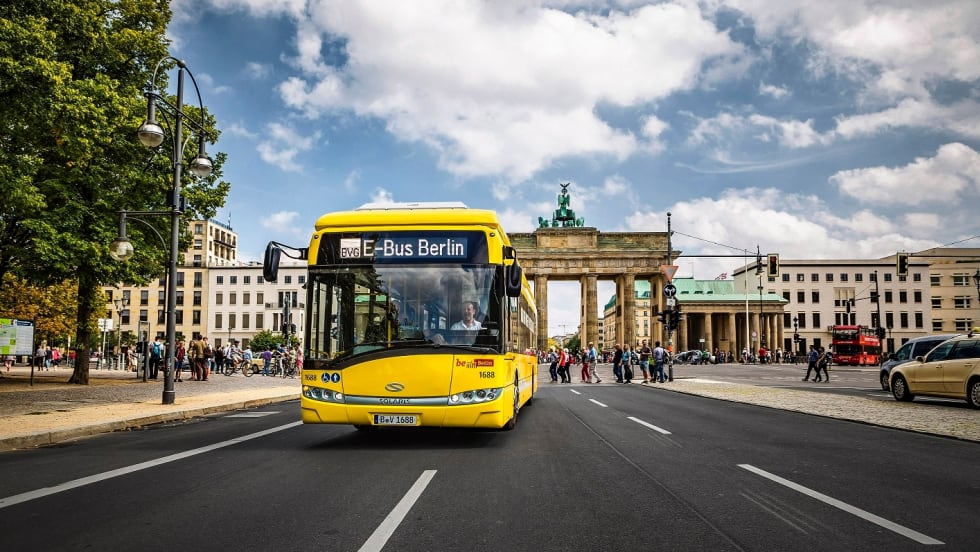
The four Solaris Urbino 12 buses charge wirelessly and contactless. At the end stops, Bombardier's inductive Primove technology enables the buses to recharge in just a few minutes.
Read More →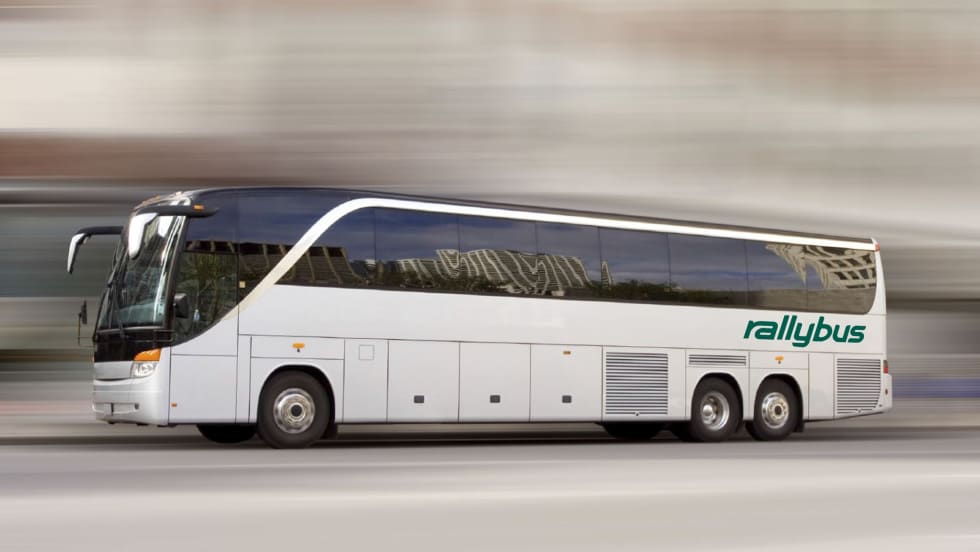
Rally Bus doesn’t own any vehicles; it’s a technology-and-logistics company that connects people with charter buses, enabling it to partner with charter companies in any part of the country as long as people show interest in the area.
Read More →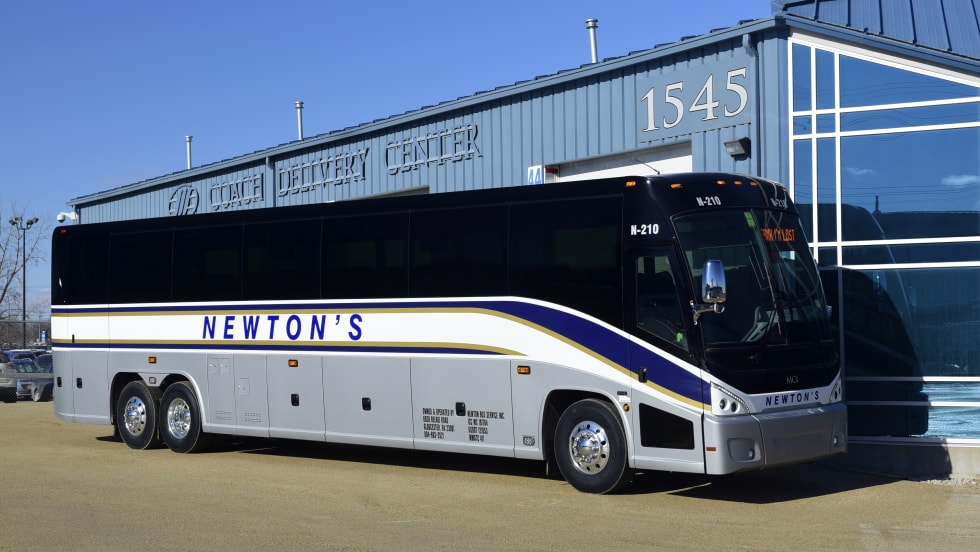
Coaches include the latest safety technology, including electronic stability control, a new ZF independent front suspension for a superb turning radius and ride quality, and a Bendix braking system that delivers car-like control for drivers.
Read More →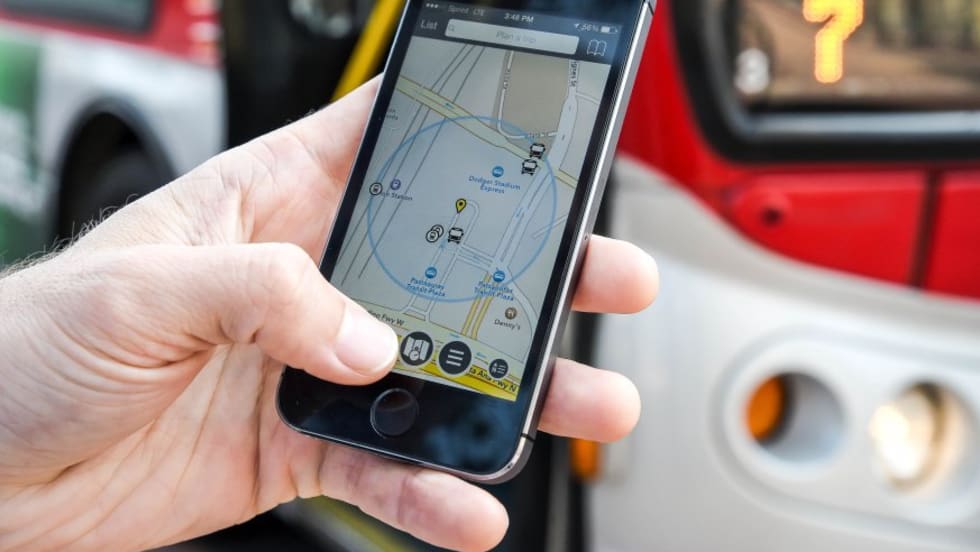
Will soon allow app users to receive messages that communicate contextually relevant information about service alerts, special events, or discounts near Metro stations and stops.
Read More →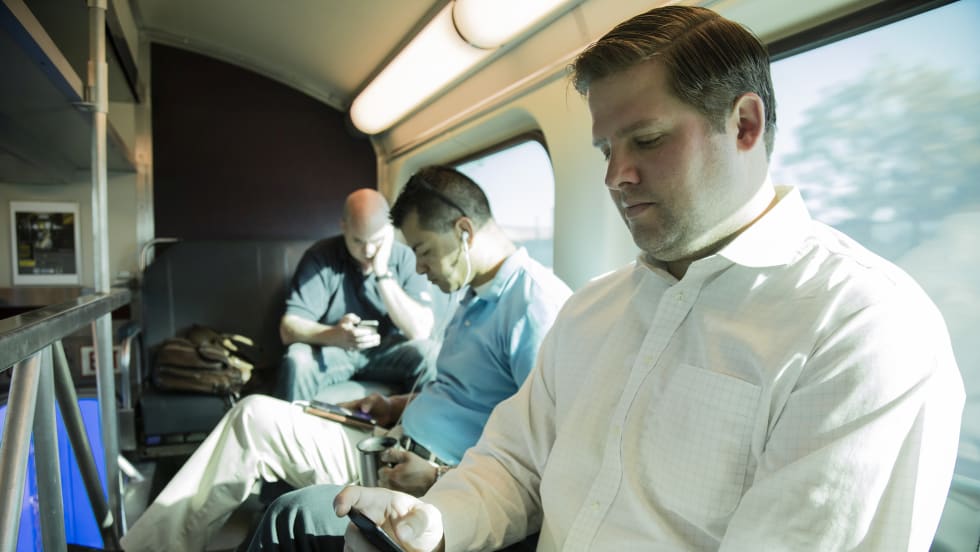
These findings are part of the Chaddick Institute’s Technology in Travel study, which includes more than 35,000 unique passenger observations since 2009. Passengers are counted once on a given trip. Each year, passengers are observed by trained data collectors to determine how they spend their time while traveling.
Read More →