
Metro Magazine

 MENU
MENU SEARCHMENUSEARCH
Roosevelt University suspended its shuttle service to the Schaumburg campus, which cost $200,000 annually, and is replacing it with PACE bus service.
Read More →Changes were made because of a budget deficit of $1 million and campus area construction have resulted in fewer routes and longer wait times.
Read More →Middle Tennessee State University shuttle bus drivers, concerned over a student’s death from bacterial meningitis and a fellow off-duty bus driver being taken to the hospital for respiratory problems, visited health services on campus to be tested.
Read More →Funds are provided through the FTA’s FY2012 Clean Fuels Grant Program.
Read More →Each bus has 11 cameras; three outside and eight inside. There’s also a 17-inch, full-color monitor mounted behind the driver that lets customers view themselves and their surroundings in real time.
Read More →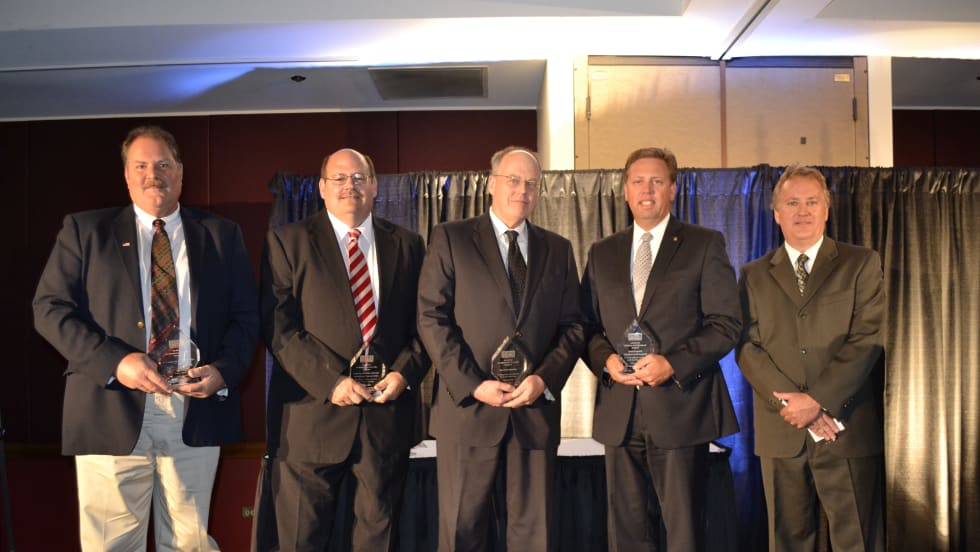
On hand to present the awards was past President of the MSBMA and President of Champion Bus John Resnik. Chicago area-based Pace Suburban Bus was the top agency, with more than 1,400 vehicles.
Read More →FY 2012 Clean Fuels Grant Program will help transit agencies purchase and support cleaner, greener buses. Recipients include St. Cloud, Minn., which will receive $3.3 million to renovate its Metro Bus Operations Center, and the Transit Authority of River City in Louisville, Ky., which will receive $4.4 million to replace outdated, high-emission trolley cars with zero-emission buses.
Read More →Tulsa city councilors asked Tulsa Transit officials to prepare a plan for review that would shrink the bus system’s coverage area to provide more timely service. The system has an average wait time of 55 minutes between buses.
Read More →A collision between a car driven by an alleged drunk driver and a bus that killed four people standing at a nearby bus stop sparked riders’ concern for their safety as they wait at stops. The bench at the bus stop where the crash took place sat only steps from the curb.
Read More →Today’s public transit vehicles are significantly more advanced than automobiles in their ability to run on clean fuels. For instance, buses on the road powered by alternative fuels rose from 2% in 1992 to 36% in 2011. That compares to the percentage of cars capable of being powered by alternative fuels was only 3.2% in 2011.
Read More →