
Metro Magazine

 MENU
MENU SEARCHMENUSEARCH
Prompted by overflow of cars in lots. Supporters hope a fee would encourage more people to carpool, bike, walk or ride a bus to the lots, freeing slots for others.
Read More →Part of the city of Raleigh’s effort to improve public health and reduce littering at city facilities.
Read More →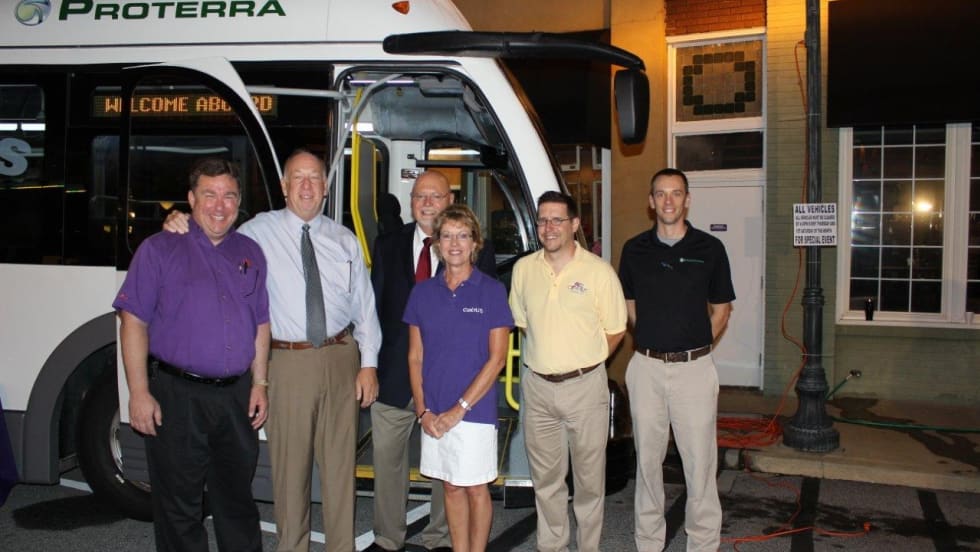
The City of Seneca recently signed an agreement with Proterra, the leading provider in zero-emission commercial transit solutions, to deliver four new EcoRide transit buses and two charging stations.
Read More →The idea behind the use of the Eagle Team patrols is two-fold, first to serve as a deterrent against fare evasion and second to assist the NYPD, particularly notifying them about “hot spots” — locations where fare evasion is a problem.
Read More →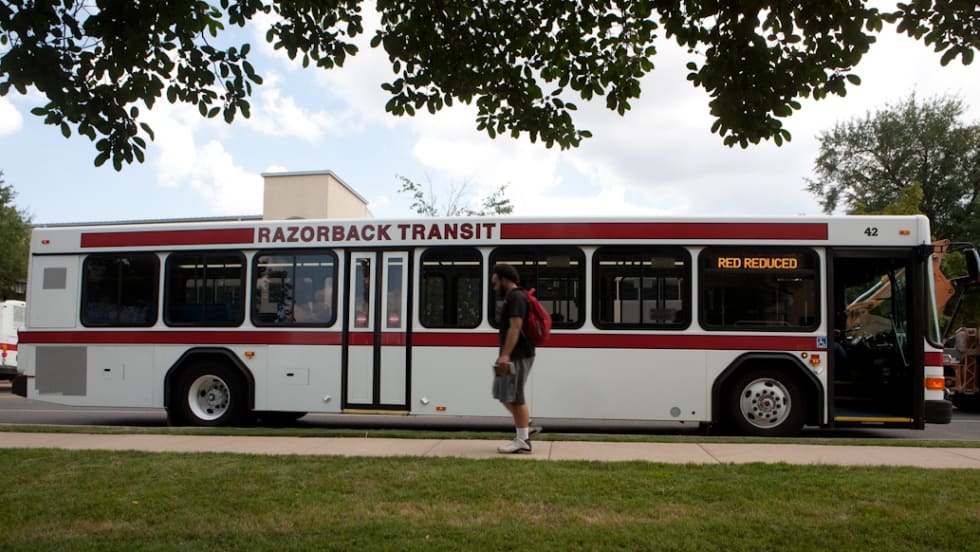
The new feature can show any bus route, where the bus is on any selected route and where it is going, with the position updated every 10 seconds.
Read More →Department of Transportation Services will stop running a bus from the University of Maryland campus to Prince George’s Plaza and University Town Center except for Saturdays. Town Center managers will no longer pay for the service, which costs $87,900 annually.
Read More →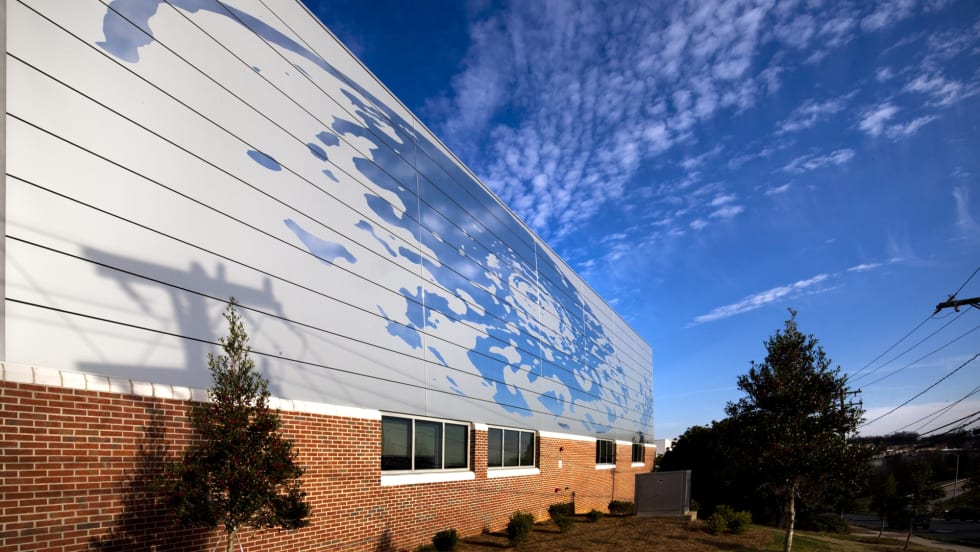
N.C. artist Jimmy O’Neal built his own cymascope to produce visuals based on the key and frequency of each sound he recorded in buses and bus facilities. The end result is an ever-changing public artwork only dependent upon daily and seasonal atmospheric changes to alter the viewer’s perception.
Read More →FTA received 836 project applications totaling $4 billion in requests. In FY2010 and FY2011, FTA awarded a total of more than $1.8 billion in grants for hundreds of state of good repair projects, primarily involving buses and bus facilities.
Read More →The move was introduced in the wake of a tragic bus accident in April, in which the driver, who admitted to being asleep at the wheel, crashed into a wall killing seven passengers and injured 39.
Read More →Adding and extending service on almost 40 bus, subway and commuter rail lines. The investments will be phased in over several months and will cost an additional $29 million per year to operate when fully implemented. They are paid for with increased revenue generated by additional ridership and savings from the agency’s efforts to contain costs.
Read More →