
Metro Magazine

 MENU
MENU SEARCHMENUSEARCH
Company expects ridership to be up 54 percent in the Northeast and 85 percent in the Midwest.
Read More →'Driver, can you drive faster?' 'Why are you driving so slowly?' 'The traffic signal is green, why are you staying in this bus stop?' Have you ever made any of these statements to a bus operator? Although to some it's hard to believe, bus operators have a schedule that they must safely adhere to, to the best of their ability.
Read More →One-hundred drivers walked out on their jobs, saying they are afraid to board the buses after one driver was recently beaten on a bus. Police officers used to ride on the buses before budget cuts.
Read More →The first document was a draft of a new Small Business Policy, outlining contracting requirements to advance the participation of Small Businesses (SBs), Disabled Veteran Business Enterprises (DVBE), Disadvantaged Business Enterprises (DBEs) and Micro-Businesses in the authority's procurement process.
Read More →Funds to the Washington DOT will provide construction of a new station with enhanced access to the Amtrak Cascades and ST Sounder services, with dedicated long term parking; improved pedestrian and bus connections; and passenger amenities, including platforms and shelters.
Read More →Offering free service for Green Bay Packer games is among the many changes new Green Bay Metro Director Tom Wittig has implemented since coming to the agency in June, to help rejuvenate community interest in riding the bus.
Read More →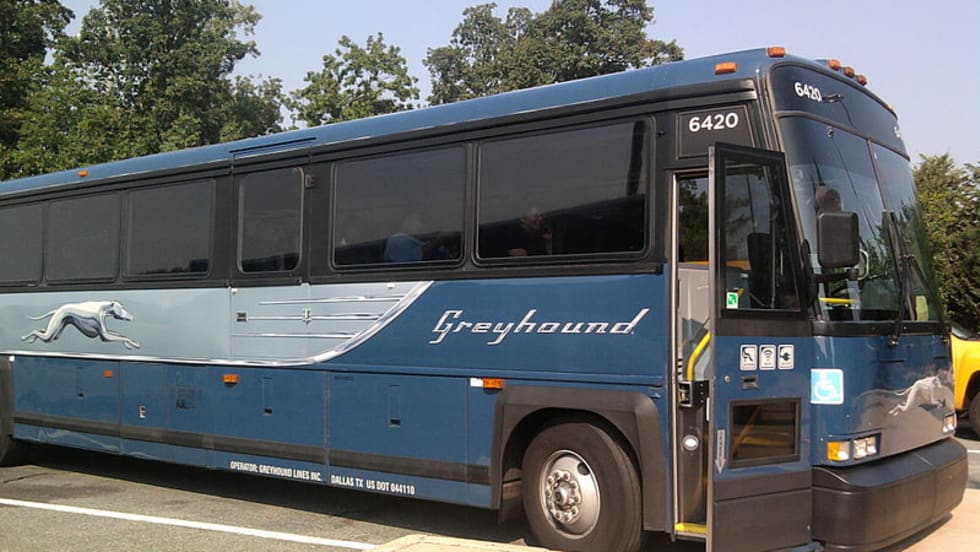
Through an innovative program in conjunction with 7-Eleven stores and PayNearMe, Greyhound's cash customers can now purchase online and pay for their bus tickets at 7-Eleven neighborhood stores, turning them into local "Greyhound ticketing offices."
Read More →Concurrent with the new plan, Al Engel, VP of High-Speed Rail, has advised the company he is leaving in December to pursue other opportunities.
Read More →The new project business plan shows that the project costs over a 20-year construction period will be much higher than the initially projected $43 billion. However, it is forecast to be profitable even with low ridership numbers and would not require public operating subsidies.
Read More →The fatal accident rate for curbside carriers from January 2005 to March 2011 was 7 times that of conventional bus operations: 1.4 fatal accidents per 100 vehicles for curbside carriers compared with 0.2 fatal accidents per 100 vehicles for conventional scheduled carriers.
Read More →