



Calif. HSR authority unveils small biz plan, approves funding
The first document was a draft of a new Small Business Policy, outlining contracting requirements to advance the participation of Small Businesses (SBs), Disabled Veteran Business Enterprises (DVBE), Disadvantaged Business Enterprises (DBEs) and Micro-Businesses in the authority's procurement process.

The California High-Speed Rail Authority released two new documents which, added to the Business Plan released earlier in the week, provide the public with key information about how the development of high-speed rail can be accomplished in California.
The first document was a draft of a new Small Business Policy, outlining contracting requirements to advance the participation of Small Businesses (SBs), Disabled Veteran Business Enterprises (DVBE), Disadvantaged Business Enterprises (DBEs) and Micro-Businesses in the authority's procurement process. The small business policy was approved by the board and will be integrated into contract requirements. Included in the Policy is a requirement to meet an overall 30 percent small business participation goal.
Furthermore a small business program, including outreach, compliance, auditing was approved by the board for release to the public to gather feedback and comments prior to final adoption. This requirement will ensure firms that participate in the construction of the high-speed train system will reflect the diversity of the state's diverse business community.
The second document is the funding plan, as required and outlined in Proposition 1A. It was unanimously approved today by the authority board of directors. Prop 1A requires that, "[n]o later than 90 days prior to the submittal to the Legislature and the Governor of the initial request for appropriation of proceeds of bonds authorized by this chapter for any eligible capital costs on each corridor, or usable segment thereof, identified in subdivision (b) of Section 2704.04, other than costs described in subdivision (g), the authority shall have approved and submitted to the director of finance, the peer review group established pursuant to Section 185035 of the Public Utilities Code, and the policy committees with jurisdiction over transportation matters and the fiscal committees in both houses of the Legislature, a detailed funding plan for that corridor or a usable segment thereof."
The Funding Plan precedes the authority's upcoming request for appropriation of proceeds of bonds for the amount of $2.684 billion, which is the amount needed to supplement $3.316 billion in federal funds awarded for use on the Initial Construction Section. The combined funding of $6 billion represents the full amount of funding believed to be needed to complete the Initial Construction Section.
Although the authority will not yet be requesting the full amount of bond proceeds to complete the Usable Segments at this time, the Funding Plan outlines the use of the funds over the coming years.
With the plan's approval by the board of directors the authority has authorization to submit the funding plan to required recipients including the Department of Finance.
More Rail
FTA Advances $164M Broward County Commuter Rail Project
The proposed 10.5-mile commuter rail extension would connect Fort Lauderdale and Aventura, expanding passenger rail options in South Florida.
Read More →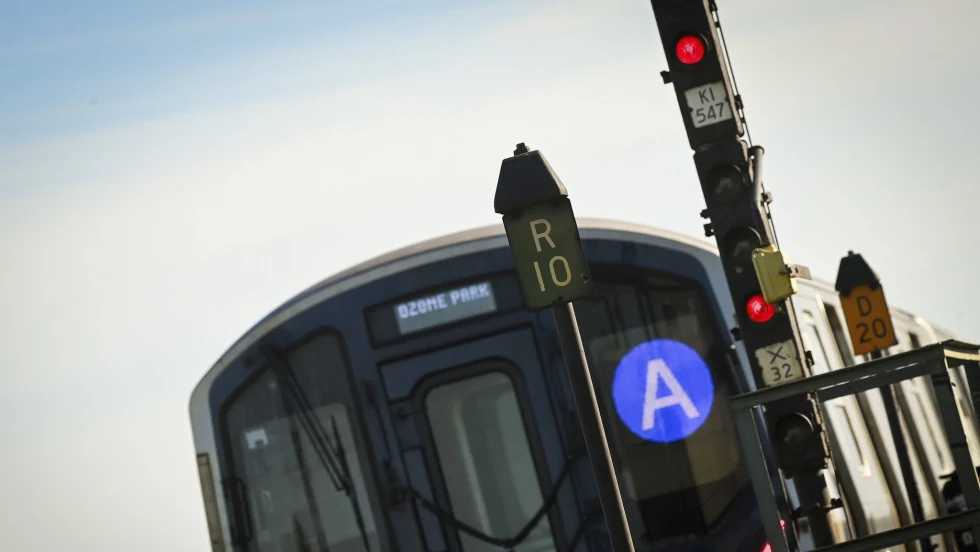
New York MTA Launches Historic $1.9B Signal, Track Modernization Project
Funded in part by congestion pricing revenue, the project will replace nearly century-old signals along the A and C lines in Brooklyn and Queens.
Read More →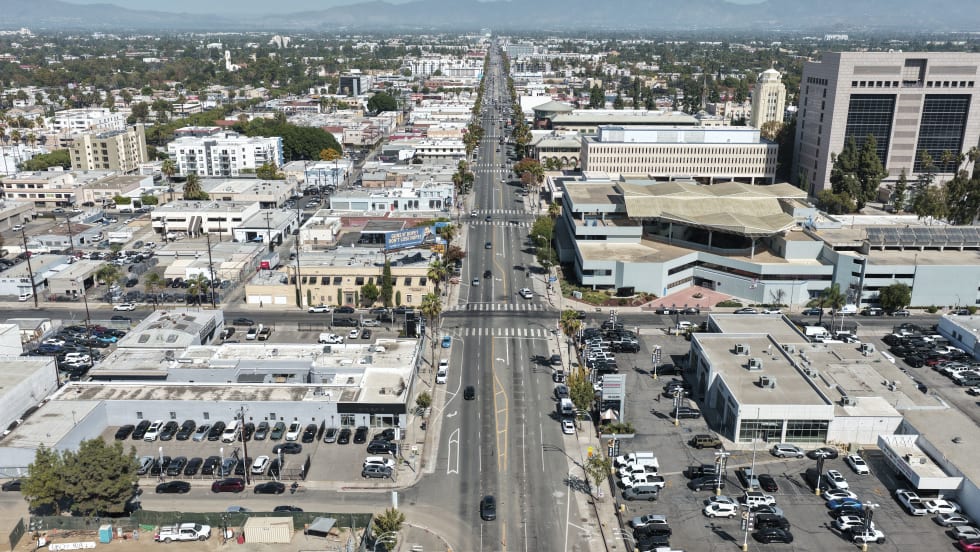
LA Metro Breaks Ground on East San Fernando Valley Light Rail Project
The 6.7-mile line will add 11 stations along Van Nuys Boulevard, expand access to jobs and regional transit connections, and support Metro’s broader efforts to improve mobility as rail ridership grows.
Read More →
CSA Group Releases Climate Resilience Standard for Transit, Passenger Rail
Developed with support from the Standards Council of Canada, CSA D700 guides assessing climate-related risks and planning adaptation measures for transit and passenger rail systems.
Read More →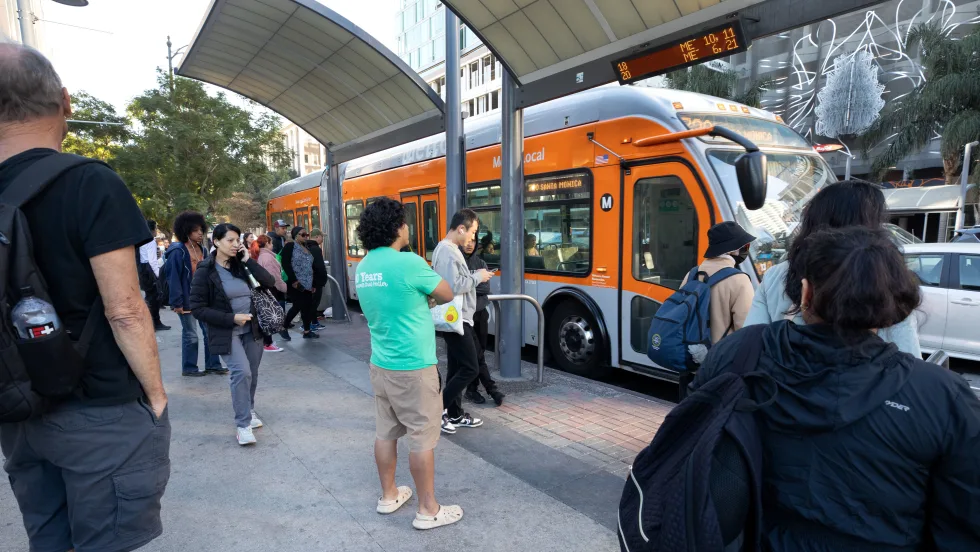
LA Metro September Ridership Climbs 3.9%, Led by Rail Growth
The agency recorded more than 27.2 million boardings, with rail ridership increasing 12.4% year over year and the D Line posting the largest gains.
Read More →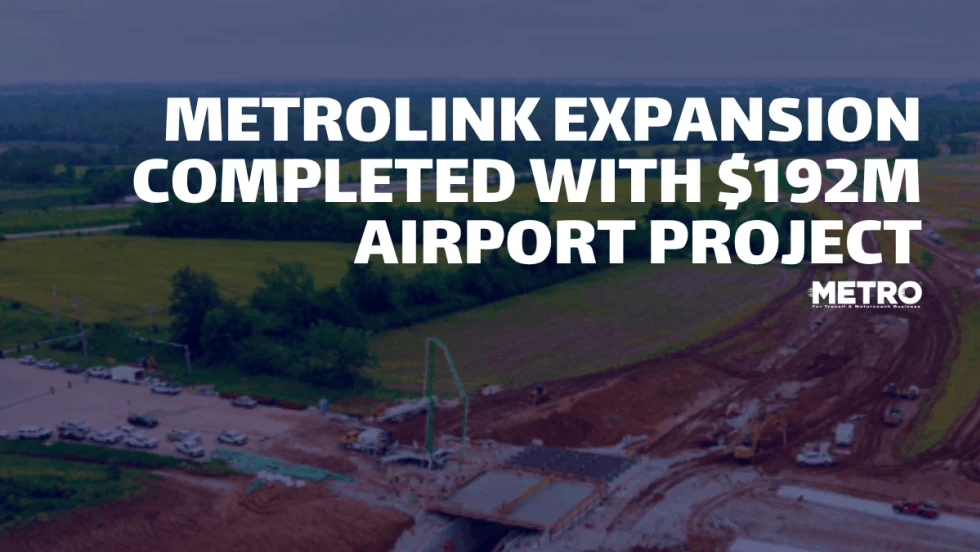
First Full MetroLink Rail Expansion Completed in 20 Years with $192M Airport Project
The project links two St. Louis-area airports by light rail while adding roadway and bike trail connections to improve regional access and mobility.
Read More →
Utilimarc Launches SmartReplace to Optimize Fleet Replacement Decisions
AI-powered SmartReplace helps fleets prioritize vehicle replacements, model budget scenarios, and build more defensible long-term strategies.
Read More →
Scenes from APTA TRANSform & EXPO 2026
Transit leaders, manufacturers, and industry professionals gathered in Chicago to explore new technologies, share ideas, and discuss the future of public transportation.
Read More →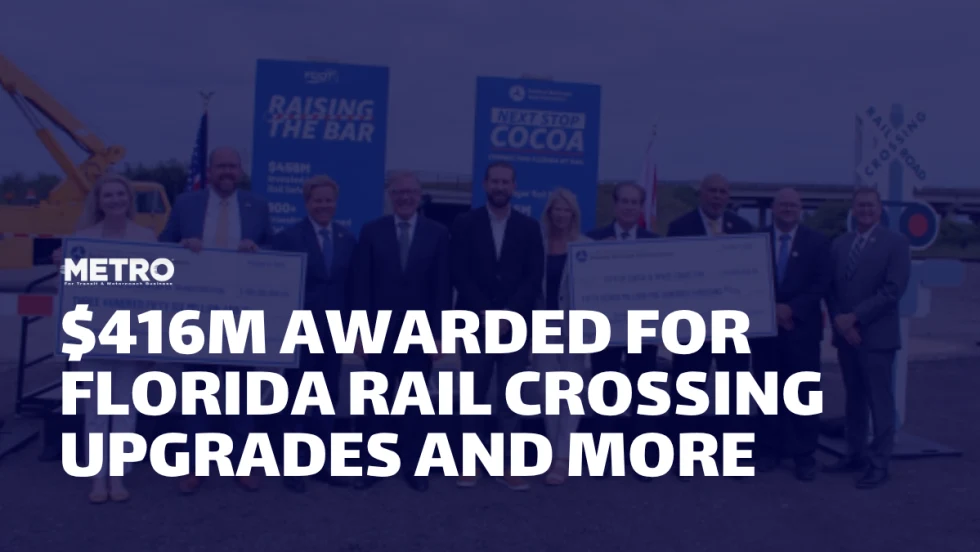
USDOT Awards $416 Million for Florida Rail Crossing Safety Upgrades, New Brightline Station
The projects aim to reduce risks for motorists and pedestrians at rail crossings while expanding passenger rail access along Florida’s Space Coast.
Read More →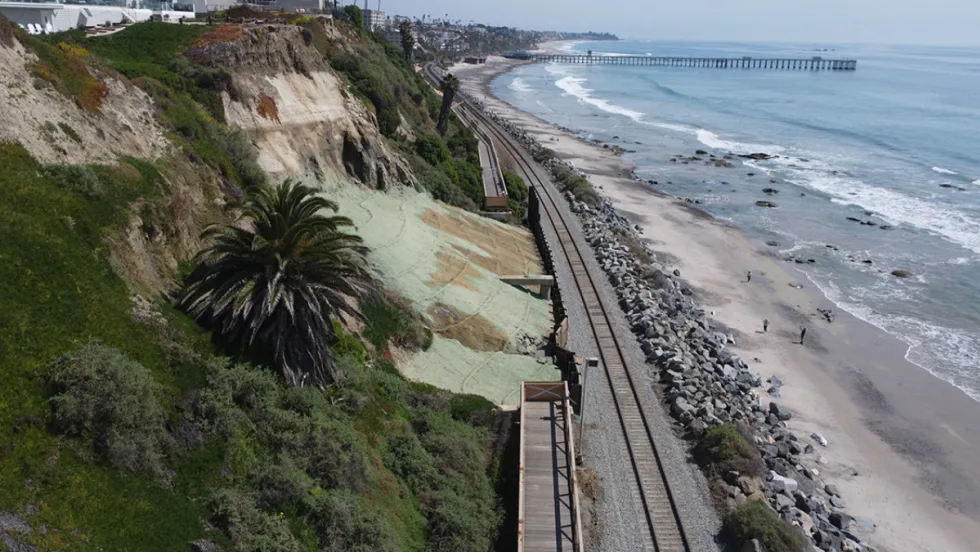
OCTA Declares Emergency to Protect Rail Corridor From Coastal Erosion
The California agency is accelerating shoreline protection and plans to place approximately 690,000 cubic yards of sand along the San Clemente coast to protect a key passenger and freight rail link.
Read More →