
Metro Magazine

 MENU
MENU SEARCHMENUSEARCH
Half a dozen transit providers said they would like to expand their paratransit and possibly on-demand services to help out, but they are running into the same lack-of-funding roadblock that has haunted the region's transit for decades
Read More →All paratransit buses will be transferred in “AS IS” condition, with no representations, guarantees or warranties, for the sum of $1 and a contractual commitment to use the vehicles for purposes that benefit the residents of Westchester County.
Read More →Equipped with a front lift, AVL, camera system and custom graphics. The buses were ordered and delivered in less than five months, using a CalACT-MBTA Vehicle Purchasing Cooperative RFP.
Read More →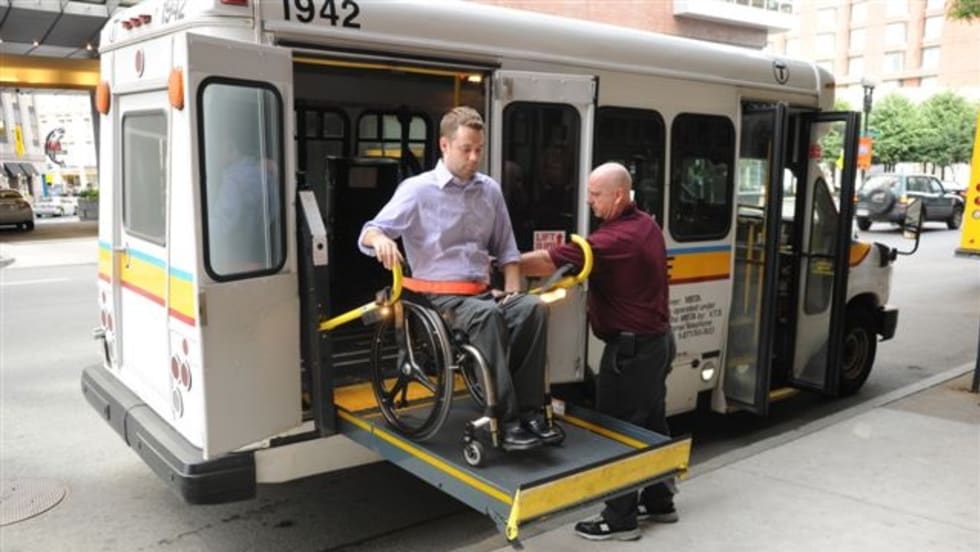
Offering same-day service will be an upgrade from its current paratransit service, the RIDE, which requires trip scheduling at least one day prior to pickup.
Read More →Primarily opposed to proposed fare increases for TransIT-plus, a service for elderly and disabled residents. One-way cash fare for medical trips would go from $1.50 to $2.50.
Read More →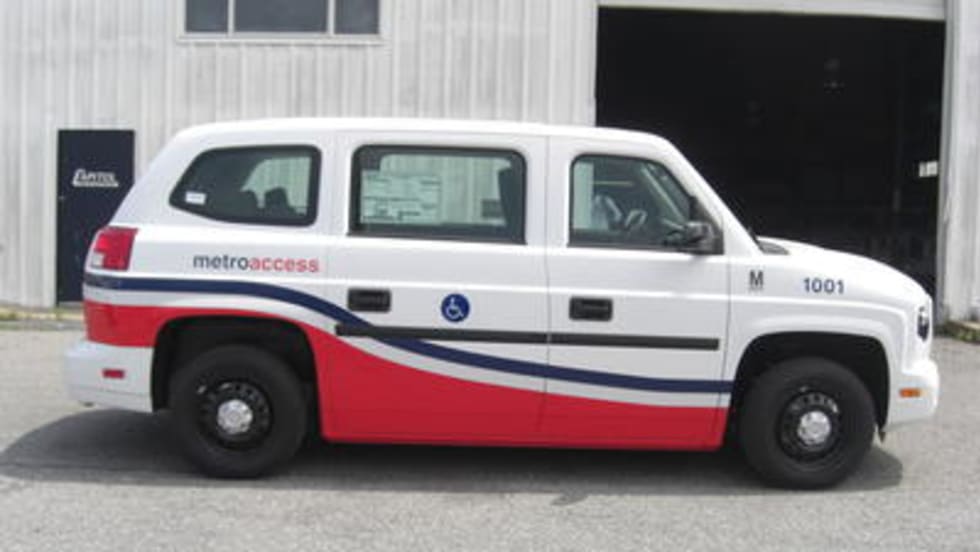
MetroAccess customers will benefit from shorter boarding times as a result of the MV-1 ramp design, which allows customers to board without the use of a lift. The vehicles cost about $50,000 each.
Read More →The OCTA recently received statewide recognition as Paratransit System of the Year for its ACCESS paratransit service, which provides more than 1.3 million trips annually for seniors and persons with disabilities.
Read More →Westchester County's BeeLine paratransit service currently serves 5,500 registered riders a year, providing 220,000 trips annually.
Read More →“Equity in Transportation for People with Disabilities” findings state that older rail and bus systems, as well as Amtrak, are still inaccessible to people with disabilities and paratransit services required by the ADA are plagued by poor oversight, high costs to transit agencies and inadequate service.
Read More →The move follows a decision in July 2011 to cut three CCT routes to help close a $31 million budget shortfall. Transit officials said the building of the facility will use federal dollars and not money from county taxpayers.
Read More →