
Metro Magazine

 MENU
MENU SEARCHMENUSEARCH
Loading data...
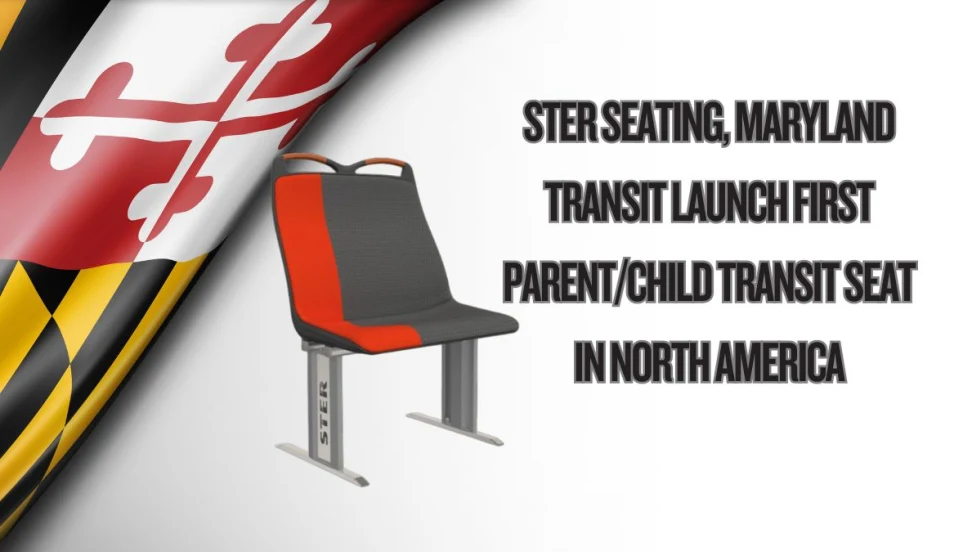
The configuration uses Ster Seating's Gemini seat platform to create a family-friendly floor layout specifically engineered to accommodate parents traveling with young children.
Read More →





Transit agencies across the U.S. commemorated Transit Equity Day with zero fares and a renewed focus on access and equity.
Read More →The Renton Transit Center project will relocate and rebuild the Renton Transit Center to better serve the regional Stride S1 line, local King County Metro services, and the future RapidRide I Line.
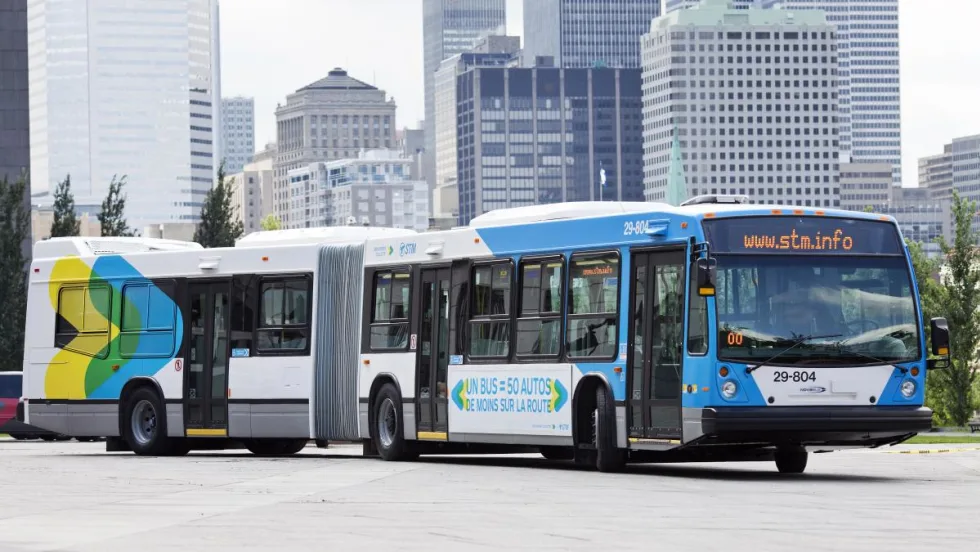
Read More →The agency opens its text message safety reporting system to buses, enabling discreet, non-urgent reports across Montreal’s entire transit network.
Read More →The audit found multiple safety compliance failures at the Charlotte agency, citing elevated assault risks and ordering corrective action within 30 days.
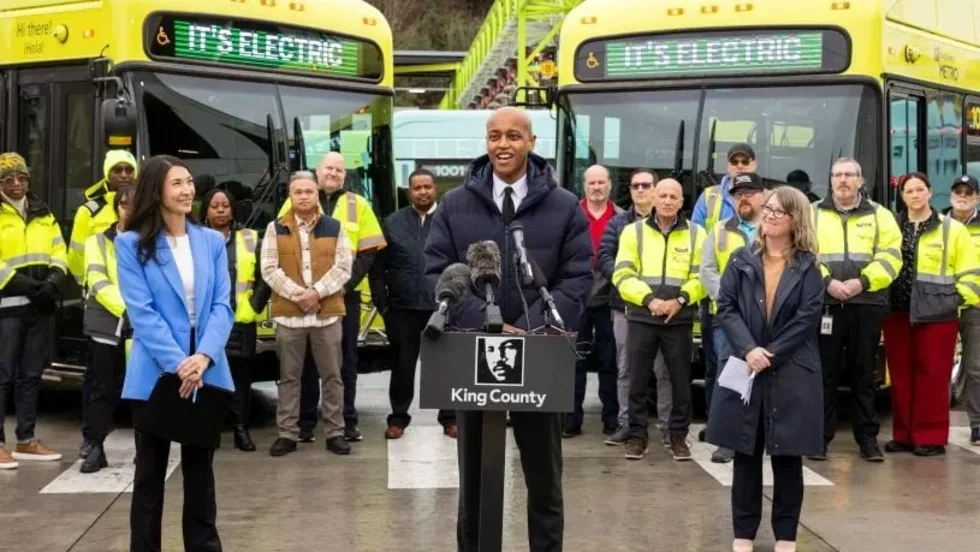
Read More →Rolling out in electric yellow and seafoam blue, the first battery-electric buses purchased from GILLIG will begin serving riders in south King County on February 2.
Read More →Mentorship programs at VTA and King County Metro are transforming the experience of new bus operators — boosting retention, improving safety, and strengthening connections among frontline workers, unions, and management.
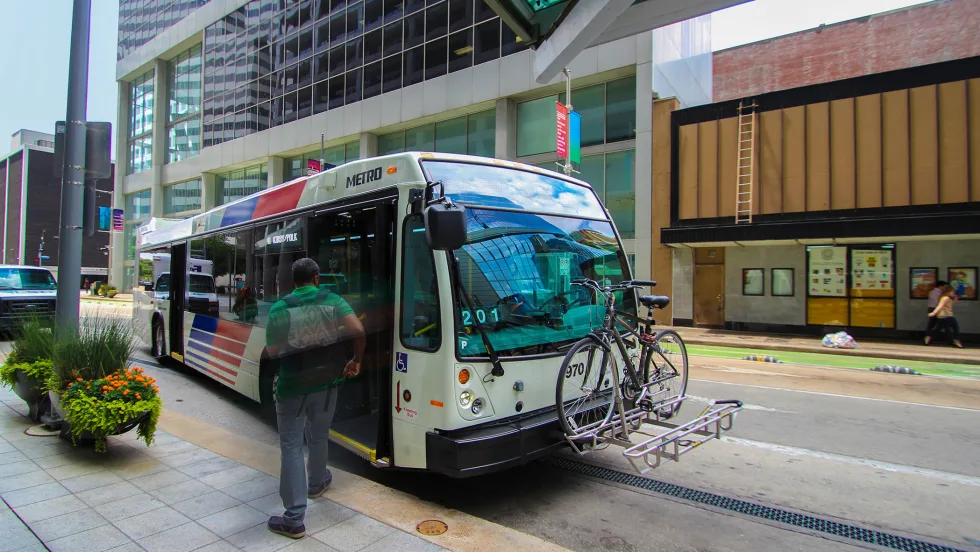
Read More →The upgraded system, which went live earlier this month, supports METRO’s METRONow vision to enhance the customer experience, improve service reliability, and strengthen long-term regional mobility.
Read More →The agency ranked top five among mid-sized U.S. transit systems, defined as agencies with 15 million to 50 million annual trips.
Read More →The subway system saw increases across all key metrics, with 62% of subway riders reporting they feel satisfied with the system overall.
Read More →