
Metro Magazine

 MENU
 SEARCHMENUSEARCH
Loading data...
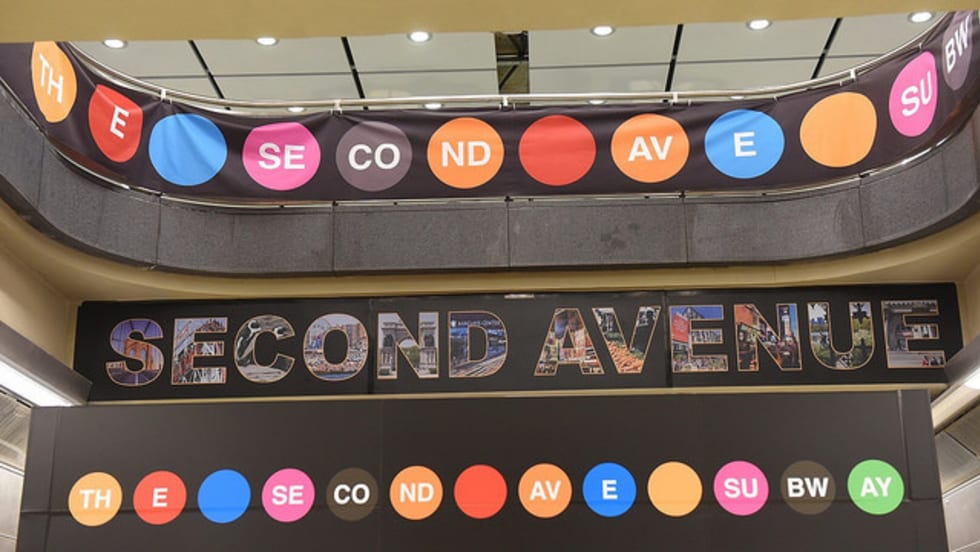
The tweet, which earned at least 3,000 retweets, announced delays on the “1,2,3,4,5,6,7,A,C,E,B,D,F,M,J,Z,N,Q,R,W, and G” trains.
Read More →



Agencies that use Twitter to respond to users’ complaints or answer questions get more positive Twitter reaction and more civil discourse online, according to Lisa Schweitzer the author of a recent study analyzing tweets of public transit agencies. “It’s about the marketing potential of social media — a lot of public transit agencies are simply tweeting their problems to the world by blasting out late service announcements. That’s not a good use of Twitter,” she says. “Transit agencies can influence the tone of the discussion by interacting with patrons online,” Schweitzer explains. “It gives people something to respond to, and it reminds people that somebody is listening.”
Read More →Transit executives from Oceanside, Calif. to Alexandria, Va. weigh in on the positive and negative impacts of social media.
Read More →Virginia, Minn.’s Arrowhead Transit is the second largest rural public transit system in the U.S. In our latest edition of METROspectives, Arrowhead Tranit’s Dominick Olivanti and Colette Hanson join METRO’s Executive Editor Alex Roman to discuss public transit from a rural provider perspective.
Read More →We asked transit agency leaders: How social media is making an impact their agencies?
Read More →UTA officials said the move is intended to improve safety and operations, as incidents of criminal behavior were related to people using the system.
Read More →