
Metro Magazine

 MENU
MENU SEARCHMENUSEARCH
Loading data...
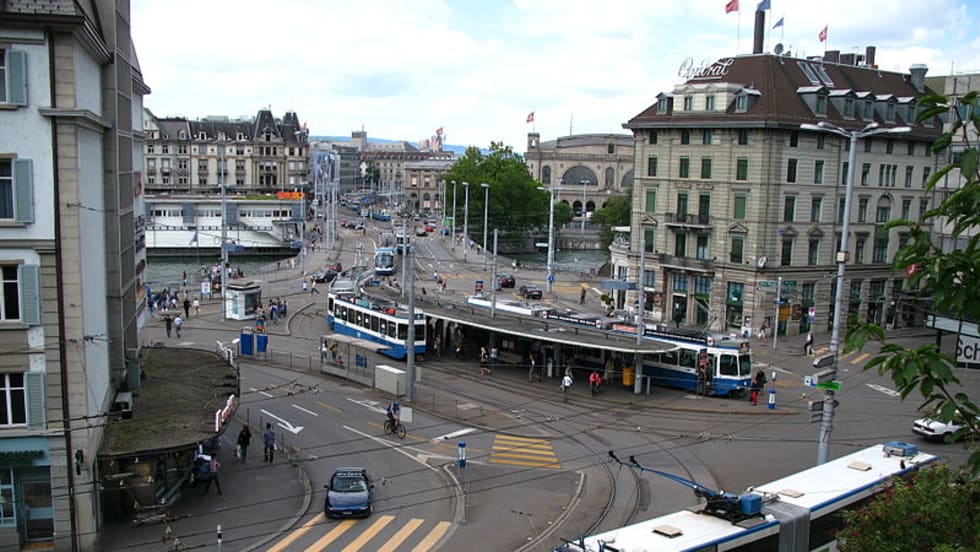
The costliest bus ride ($5.12) was found in Oslo, Norway, while the most expensive train trip ($85.98) was in New York City, according to a UBS report.
Read More →
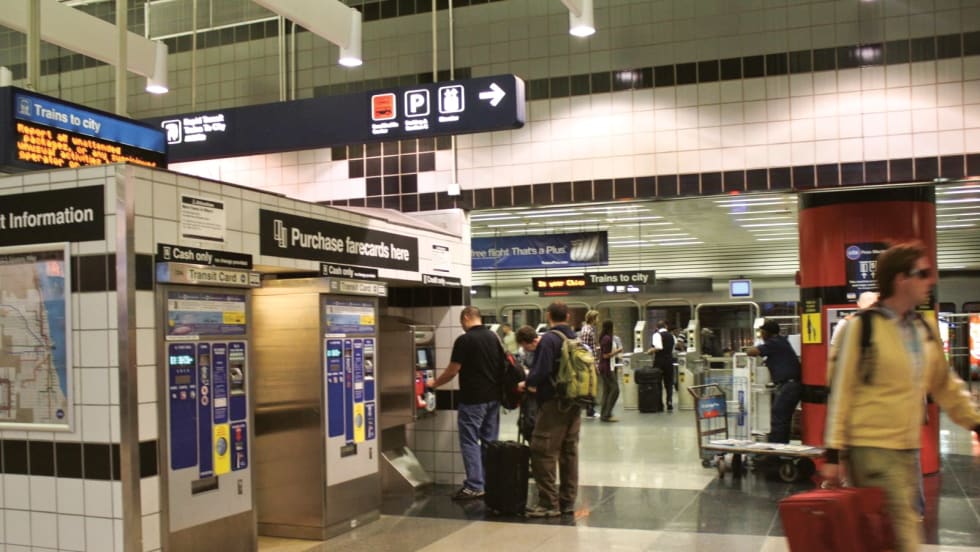
Will allow customers to pay transit fares with any contactless bankcard that conforms to industry standards, the same way they can pay for goods and services in the retail world.
Read More →This new expansion makes Los Angeles the largest regional smart card operation in the U.S., according to Jane Matsumoto, deputy executive officer at Metro.
Read More →Now, riders will be able to use American Express contactless payment cards, as well as cards from other major payment networks, to make secure transit payments at PATCO.
Read More →Key initiatives highlighted include bringing the region’s system to a state of good repair; expanding real-time bus and train arrival information; modernizing fare payment systems; expanding technical assistance and funding efforts related to TOD; studying and piloting more efficient locomotives, trains and buses; and installing additional pollution control technologies on buses and trains.
Read More →Nextaccount will pave the way for mobile payment and ticketing solutions in transit, giving travelers the ability to pay transit fares directly at the point of travel with NFC-equipped mobile phones.
Read More →In 2011, the two entities partnered to create the first transit-agency branded, all contactless Visa prepaid card in the world. This was among one of the first times that consumers had been able to use the same transit payment card for both transit and retail purchases.
Read More →Currently, paratransit passengers have to pay a full fare on MARTA and suburban systems when transferring between carriers, but regular passengers do not.
Read More →The software is a modular system that completely integrates with other INIT products to ensure data consistency between scheduling, CAD/AVL and fare collection systems.
Read More →While the technology is still evolving, transit systems are hoping to outsource collection activities, reduce risk, and refocus time and effort on meeting their core goal: transporting people.
Read More →