



Chicago RTA unveils green transit plan
Key initiatives highlighted include bringing the region’s system to a state of good repair; expanding real-time bus and train arrival information; modernizing fare payment systems; expanding technical assistance and funding efforts related to TOD; studying and piloting more efficient locomotives, trains and buses; and installing additional pollution control technologies on buses and trains.

The Chicago Regional Transportation Authority (RTA) and several of its transportation partners have released the Chicago Regional Green Transit Plan, which quantifies the environmental benefits of the region’s public transit system and will serve as the roadmap for how transit can help the Chicago region become more sustainable.
Each year, the region’s transit system saves 6.7 million metric tons of carbon from being emitted into the atmosphere. That’s equivalent to 750 million gallons of gas or taking one million automobiles off the roads. Between 2005 and 2008, the RTA system improved its carbon-emissions efficiency up to five percent, thanks to increased ridership and more fuel-efficient vehicles such as hybrid buses.
The plan also provides a vision for a more environmentally-friendly transit system that can maximize the environmental benefits of transit in the future.
The plan identifies four main strategies for increasing the environmental benefits of transit:
• Growing ridership and market share.
• Promoting transit-oriented development.
• Improving operational efficiency.
• Greening the transit system.
Key initiatives highlighted in the plan include bringing the region’s system to a state of good repair; expanding real-time bus and train arrival information; modernizing fare payment systems; expanding technical assistance and funding efforts related to transit-oriented development; studying and piloting more efficient locomotives, trains and buses; and installing additional pollution control technologies on buses and trains.
“Transit already improves air quality and reduces the consumption of fossil fuels by reducing the number of cars on the road, but new technologies increase the ways that we can contribute to improving the environment,” said Pace Chairman, Richard Kwasneski. “Pace is aggressively pursuing compressed natural gas-powered buses, testing hybrid vehicles and looking at other green technology.”
Crafted by RTA, the Chicago Transit Authority, Metra, Pace, the Illinois Department of Transportation, the Chicago Department of Transportation and the Chicago Metropolitan Agency for Planning, the Chicago Regional Green Transit Plan highlights the RTA system’s ability to become greener and more fuel efficient.
The RTA received a $1.3 million grant to develop and implement the plan from the IDOT State Planning and Research program. The plan brings the RTA system in line with transit agencies across the country that have completed sustainability and climate action plans including the New York Metropolitan Transportation Authority, Southeastern Pennsylvania Transportation Authority and Los Angeles County Metropolitan Transportation Authority.
More Bus

The High Cost of Transit Buses: Industry Leaders Look to Procurement Reform
Transit leaders and policymakers examine how standardized bus designs, streamlined procurement, and predictable funding could help agencies stretch budgets and deliver better service.
Read More →
The Business Voice Behind Public Transportation
As chair of APTA’s Business Members Board of Governors, Ray Melleady explains how more than 850 business members are partnering with transit agencies to advance funding, innovation, and industry-wide collaboration.
Read More →
From Surviving to Thriving: Building Stronger Transportation Organizations
Bus Business Consultants founder Brian Dickson shares lessons on leadership, organizational health, and creating options for long-term success in a changing transportation industry.
Read More →
Finding the ‘Happy Medium’: Optimizing Maintenance Without Sacrificing Reliability
The key to maintenance optimization isn’t doing less work—it’s doing the right work at the right time on the right assets.
Read More →
LA Metro, City of West Hollywood, and Partners Advance Smarter Bus Lane Enforcement
The award-winning partnership combines AI-powered detection with human oversight to improve bus reliability, accessibility, and enforcement efficiency.
Read More →
PSTA Modernizes Workforce Management with Digital Bidding System
The award-winning Workforce Transit Modernization project replaced paper bidding with a transparent digital platform, cutting administrative effort while improving access for operators.
Read More →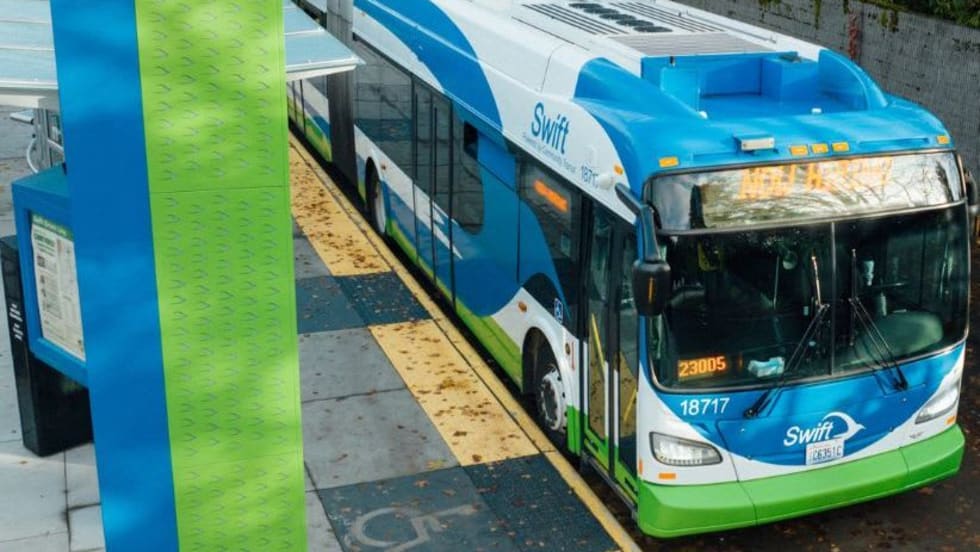
Washington's Community Transit Sets Six-Year Roadmap for Growth, Expansion
Approved TDP targets more bus service, new mobility options, Swift BRT expansion, and a potential Everett Transit annexation.
Read More →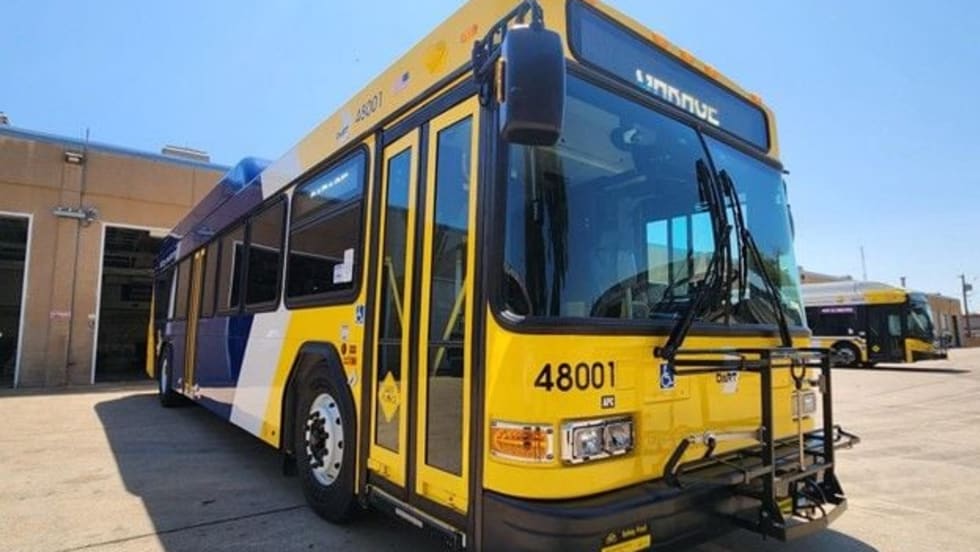
DART Customer Satisfaction Reaches Six-Year High
Overall satisfaction rose to 74.9%, while the agency’s Net Promoter Score reached a record 33.7.
Read More →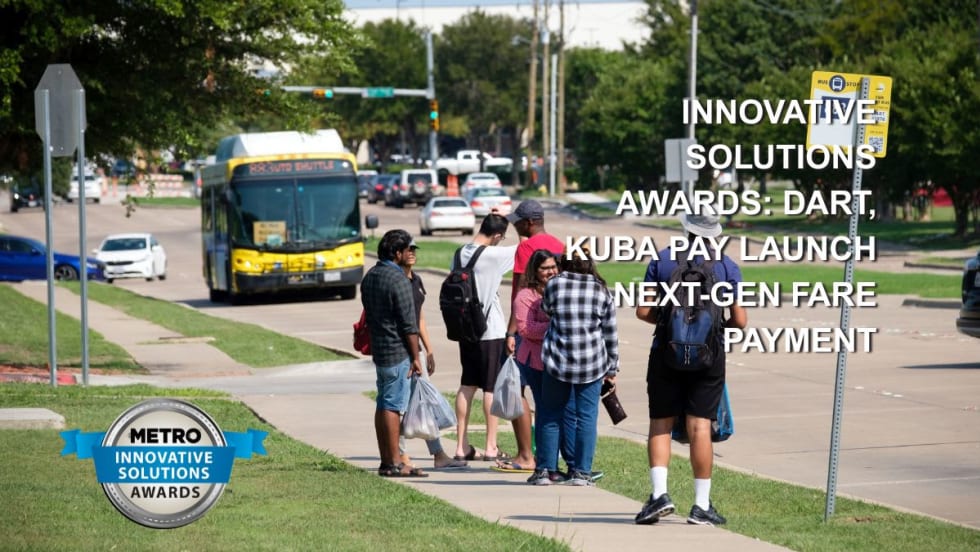
How DART's GoPass Is Redefining Regional Mobility
Serving 14 transit agencies, GoPass simplifies multimodal travel by allowing riders to plan, pay for, and manage an entire trip through one app.
Read More →
Biz Briefs: OCTA Taps Clean Energy for Hydrogen Station, Stadler to Supply Via Rail Vehicles, and More
From manufacturers and suppliers to transit agencies and motorcoach operators, these updates offer a snapshot of the projects, partnerships and business moves driving the industry forward.
Read More →