
Metro Magazine

 MENU
MENU SEARCHMENUSEARCH
Loading data...
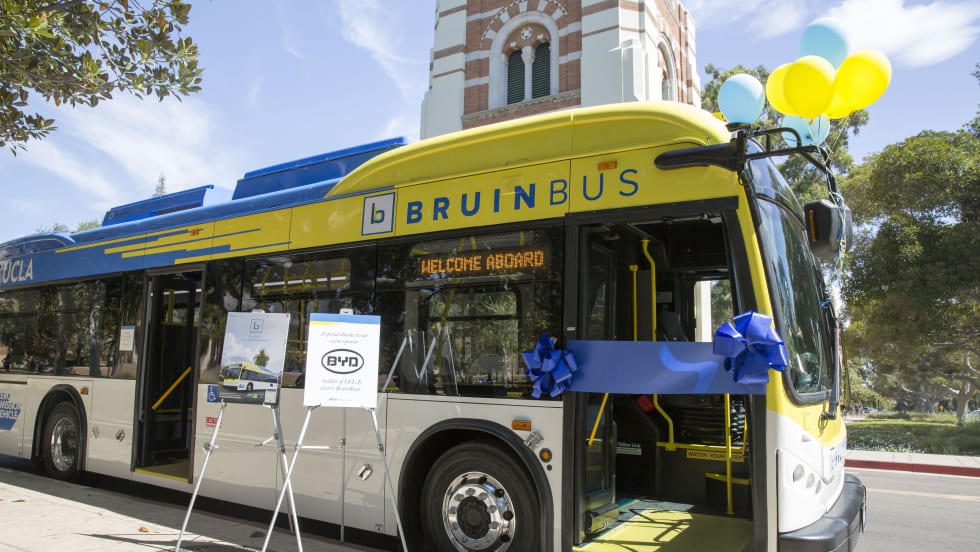
The move is also in step with the University of California’s systemwide goal of carbon neutrality by 2025. UCLA has already met its 2020 goal of using less energy per square foot of buildings than in 1990.
Read More →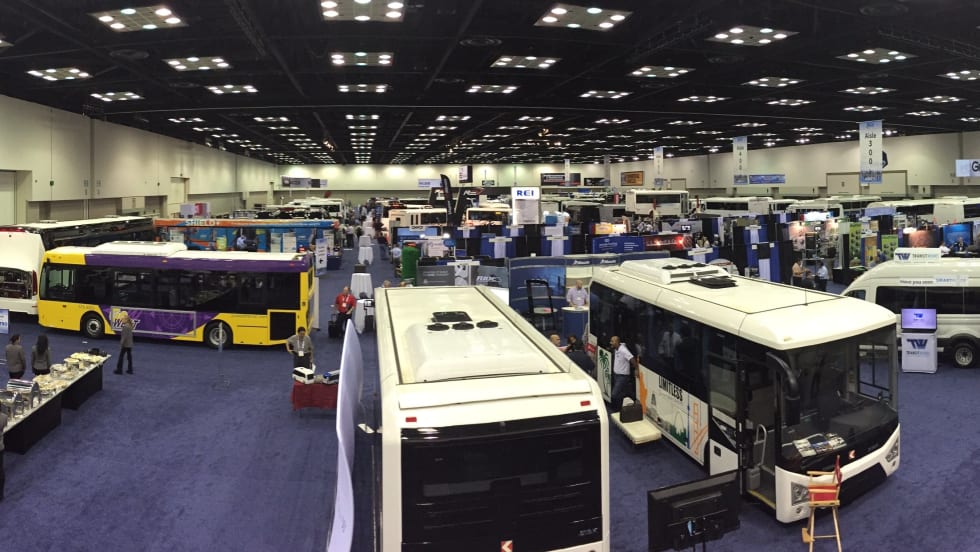
This year's event definitely had something for everyone, including the most buses on one North American show floor, a closer look at issues set to impact transit maintenance professionals, an up-to-date look at electric buses and a the BusCon Connect hosted buyers program.
Read More →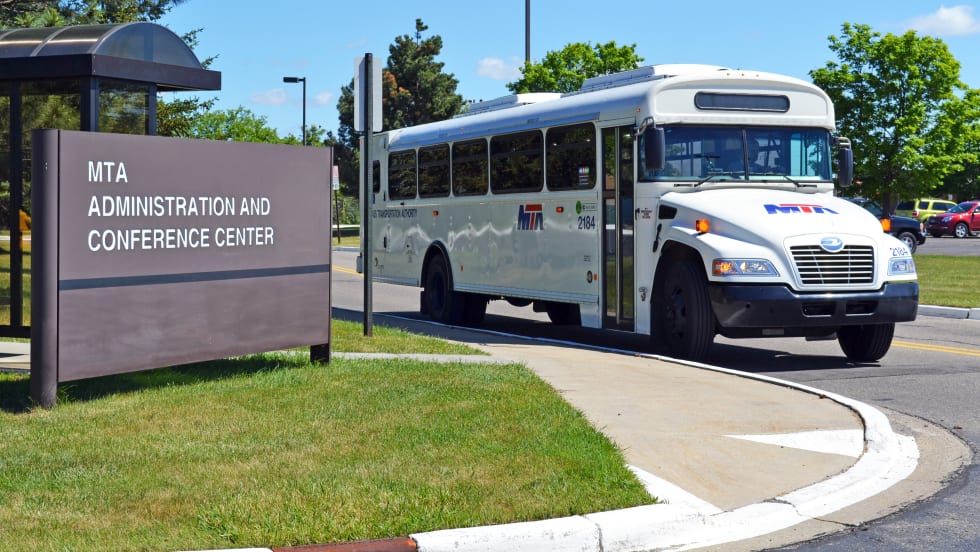
The commercial version of the Blue Bird Propane Vision, which comes with a five-year, 100,000-mile warranty, is Altoona-test rated for 350,000 miles or 10 years.
Read More →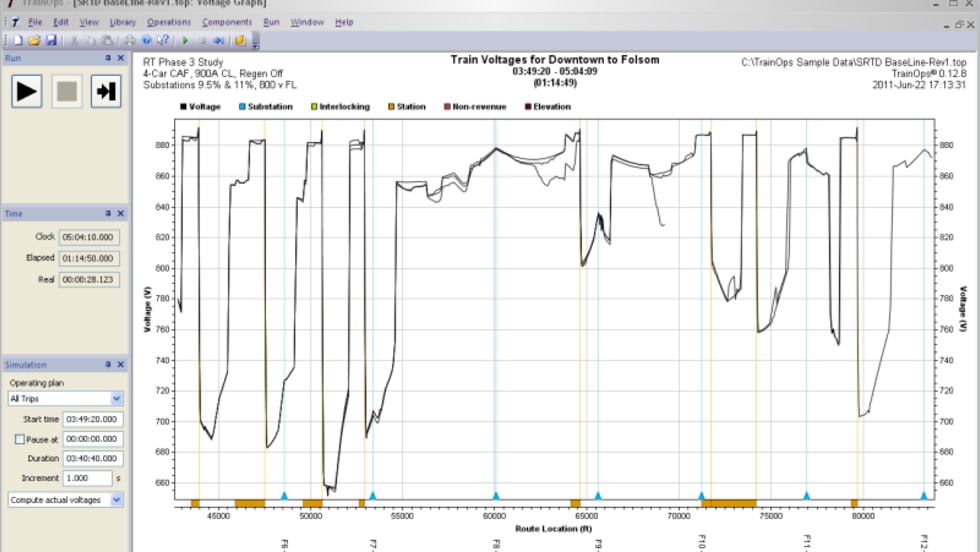
Using regenerative braking for rail vehicles can help transit agencies return energy to the system and save money. LTK's TrainOps software helps transit agencies determine how to implement these systems.
Read More →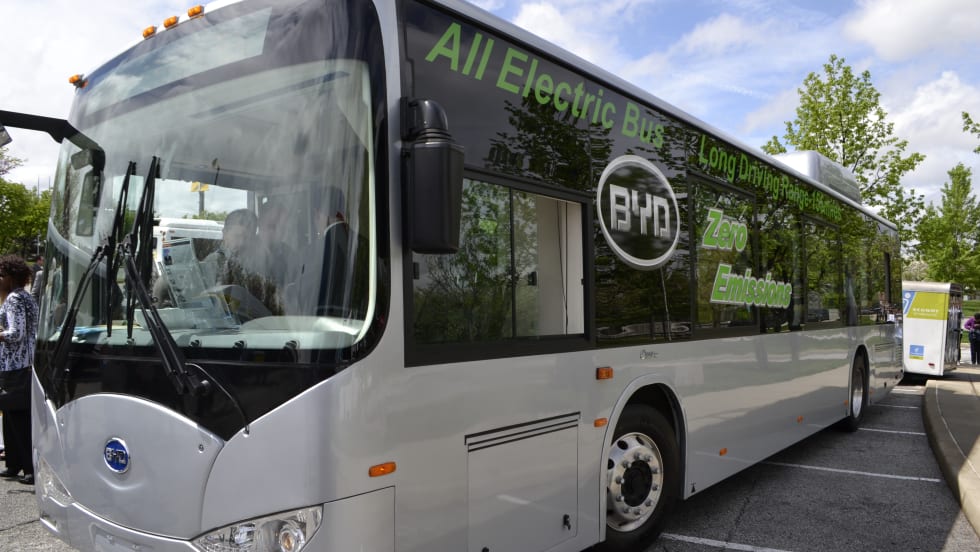
Award reflects BYD’s growth in the Los Angeles area and nationally, now employing hundreds of Californians at its factory in Lancaster and supplying buses to transit agencies around the country.
Read More →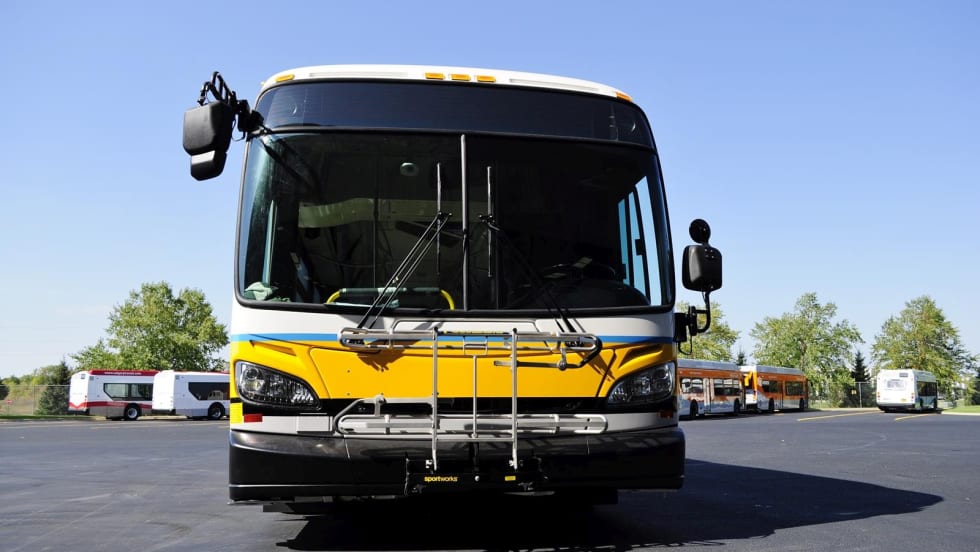
The HDS300 hybrid-electric-propulsion systems will soon be powering 44 New Flyer articulated buses in Boston with an option for 46 more as part of its largest HDS300 order to date.
Read More →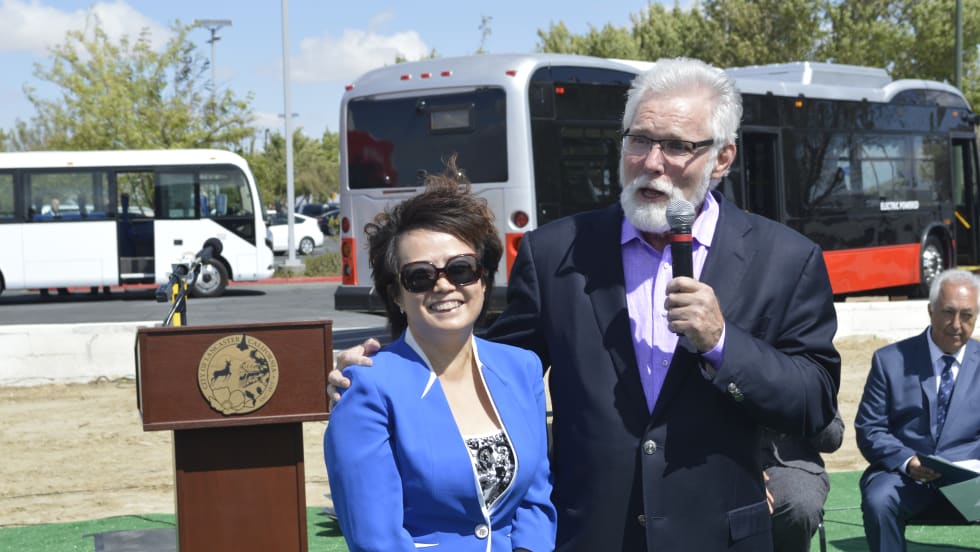
BYD broke ground on the second of three phases of construction at its vehicle manufacturing facility in Lancaster, Calif.
Read More →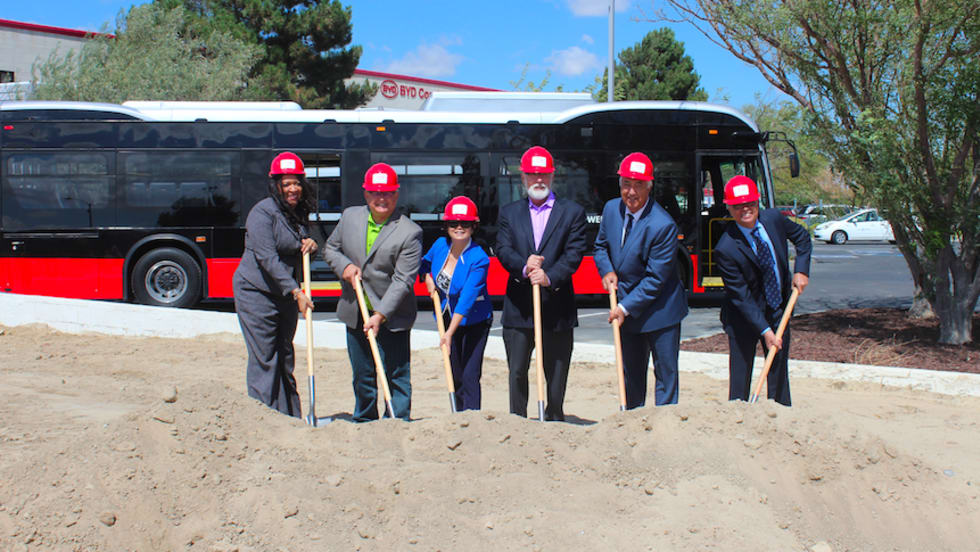
The Phase II expansion marks an important step in BYD’s plan to triple employment in three years, undertaken in response to increased demand for its zero-emission coaches, buses, and new medium- and heavy-duty truck product lineup.
Read More →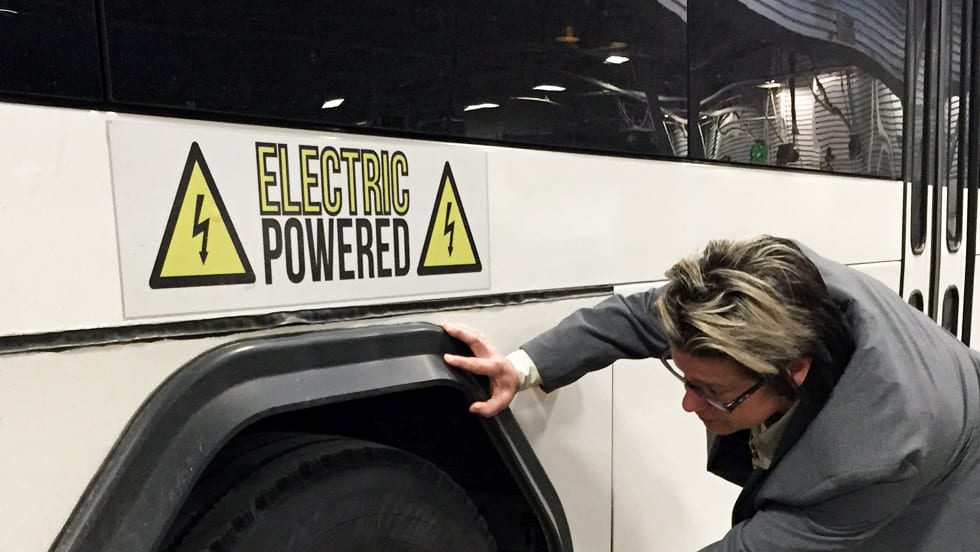
Learn's main focus is ensuring that all buses are kept up to FTA standards, as well as employee and public safety, which she considers to be her biggest responsibility.
Read More →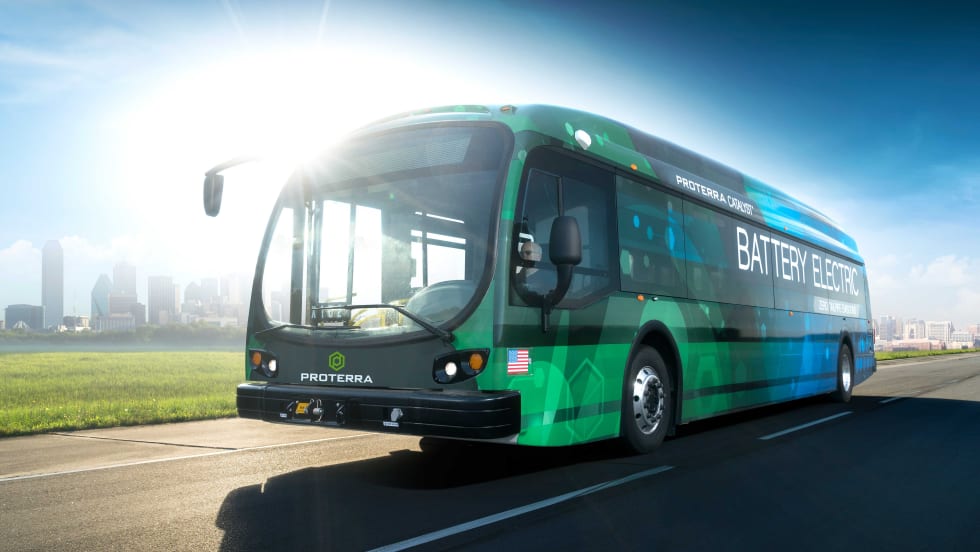
Its nominal range of 194 miles to 350 miles means the Catalyst E2 series is capable of serving the full daily mileage needs of nearly every U.S. mass transit route on a single charge and offers the transit industry the first direct replacement for fossil-fueled transit vehicles.
Read More →