
Metro Magazine

 MENU
MENU SEARCHMENUSEARCH
Outlines a framework for cooperation and information exchange between the two associations. The signing of this MoU will be followed by meetings throughout the week between APTA, European Rail Industry Association and their members on a number of topics.
Read More →The 12th annual Mobility 21 Southern California Transportation Summit attendees learned about harnessing the power of new technology, the importance of investing in the maintenance of existing infrastructure and more
Read More →Finance Minister Charles Sousa said there is a pent-up demand among ecologically minded investors for these bonds, which he hopes will enable the government to pay a lower interest rate than they do on conventional bonds, according to the report.
Read More →Explained that the process of aging and decaying infrastructure is gradually eroding the serviceability of the railroad as underfunding takes its toll. Lost riders and revenues are the clearest manifestation of the problem when a failure occurs.
Read More →The new vehicles will be added to the current fleet of buses in service and replace 50 of its 2000/2001 Neoplan diesel buses, which have reached or exceeded their useful service life of 12 years.
Read More →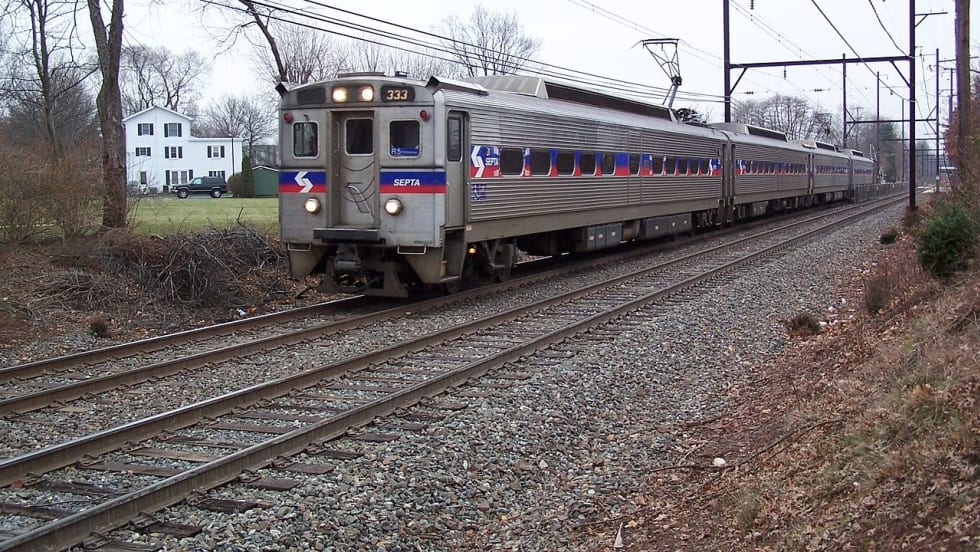
Over the next two years, hot spots will be added at all stations on the Market-Frankford and Broad Street Lines and at several additional locations on the Norristown High Speed Line.
Read More →The County District Attorney’s Office filed a criminal complaint against Donald Evans in September, and a Superior Court judge issued an arrest warrant earlier this month, charging him with one felony count of false claims following a traffic accident while on the job.
Read More →The project will deliver at least 226 vehicles; 152 Orange Line cars, replacing the entire fleet of 120 and 74 Red Line cars, with an option to increase the fleet to 132.
Read More →Layne Christensen Co.’s Geoconstruction division received a contract from Tutor Perini Corp. to build the foundation for three underground subway stations. The two-year contract is scheduled to start in early 2014.
Read More →Seeking wireless telecommunications companies to upgrade the existing wireless network. The existing infrastructure dates back to 2005 and has limited data-support capabilities.
Read More →