



More than 1,000 So. Cal. advocates gather to support transit
The 12th annual Mobility 21 Southern California Transportation Summit attendees learned about harnessing the power of new technology, the importance of investing in the maintenance of existing infrastructure and more

More than 1,000 business, transportation and elected leaders gathered in Los Angeles for the 12th annual Mobility 21 Southern California Transportation Summit on Tuesday.
The annual conference, which is the largest one-day transportation event in the state, focused on bringing leaders from a broad spectrum of backgrounds together to address the challenges and opportunities facing Southern California’s infrastructure.
The region continues to face significant traffic congestion and mobility challenges. The Southern California Association of Governments (SCAG) projects a regional infrastructure deficit of $200 billion through 2035. According to SCAG, nearly 74% of the funding for Southern California’s transportation projects is raised locally, predominantly through sales tax measures.
“Safer streets and neighborhoods are better for businesses and for our local economy,” said Los Angeles Mayor Eric Garcetti. “Thanks to Measure R, we’ll create hundreds of thousands of jobs while building a transportation system that will make Los Angeles not just a big city but a great city.”
During the Summit, Diane DuBois, chair of the Los Angeles County Metropolitan Transportation Authority (Metro), emphasized the role of leveraging local funds.
“Metro and other Southern California transit agencies are stepping up to the plate to support our mobility infrastructure — as are our taxpayers, who have voted time and again to tax themselves for mobility,” said DuBois. "But, we simply don’t have the money we need to deal with all the issues. We must convince Congress to update the gas tax and perhaps create an infrastructure bank that we can use to leverage the transportation taxes our voters have been generous and farsighted in supporting.”
During a lunchtime keynote address, Brian P. Kelly, secretary of the California State Transportation Agency, shared the administration’s plans for transportation in California and the significance of Mobility 21’s advocacy.
“California’s transportation system must not only deliver safety and mobility, but also sustainability to meet our air quality and greenhouse gas reduction objectives,” said Kelly. “Our transportation system is a special part of California’s heritage and our responsibility is to preserve this great infrastructure of the past while putting thousands of Californians to work building something new, for an even brighter future.”
Mobility 21 launched a transportation advocacy mobile Web application at the conference, urging the public to hold elected leaders accountable for improving transportation in Southern California. The app can be accessed from smartphone Web browsers at http://www.mobility21.com.
“Mobility 21’s strength is connecting the dots and bringing together both the public and private sectors, with their diverse interests and priorities, to speak with a unified voice to fight for smart investments in Southern California’s transportation system,” said Anne Mayer, executive director, Riverside County Transportation Commission and Mobility 21 Chair. “To assist in that effort, we have launched a mobile web app to make it easier for the public to add their voices in support of transportation improvements and look forward to hearing their input.”
Conference attendees learned about a variety of transportation topics, including: harnessing the power of new technology; investment strategies to improve the flow of commerce in Southern California; the importance of investing in the maintenance of existing infrastructure; the development of multi-function infrastructure corridors; and coordinated land use, housing and transportation planning.
During a luncheon ceremony, Gov. Jerry Brown was presented with a Transportation Visionary Award in absentia. Mobility 21 also presented awards to several transportation leaders for their efforts to keep the region moving. Recipients included:
Lifetime Achievement Award: Hon. Ray LaHood, Former Secretary of Transportation, U.S. Department of Transportation (in absentia).
Public Sector Leader of the Year: Hon. Karen Spiegel, Vice Mayor, City of Corona and Chair, Riverside County Transportation Commission.
Private Sector Leader of the Year: Bill Bennett, Former Southern California Area Manager, HDR.
Tribute Award: Bimla Rhinehart, Former Executive Director, California Transportation Commission.
The closing session included a keynote address from Lt. Gov. Gavin Newsom on his economic development plan and how infrastructure plays a role.
More Paratransit

Biz Briefs: RIPTA Unveils New Frontrunners, Clevland RTA Adds New Siemens, and More
In METRO's latest installment, we take a look at recent news from Siemens, Prevost, Dodge, and more partnerships making headlines across the transportation sector.
Read More →
King County Metro Makes ADA Paratransit Easier to Navigate
METRO's Innovative Solutions Award winner replaces complex service-area descriptions with an accessible, interactive map that puts paratransit information directly in customers’ hands.
Read More →
Jacksonville’s NAVI Project Charts a New Course for Autonomous Public Transportation
Through its NAVI program, JTA is showing how autonomous vehicles, intelligent infrastructure, and coordinated operations can work together to deliver everyday public transportation.
Read More →
Driving Smarter Paratransit
John Hanlon shares how AlphaRoute is leveraging AI-powered technology to help paratransit providers optimize operations, support frontline staff, and enhance the rider experience.
Read More →
METRO Magazine Announces 2026 Innovative Solutions Awards Winners
Projects Recognized for Advancing Mobility Through Technology, Accessibility, Workforce Innovation, and Operational Excellence
Read More →
Biz Briefs: STV teams with Amtrak, Motorcoach Operators Boost Fleet and Land Contracts, and More
From manufacturers and suppliers to transit agencies and motorcoach operators, these updates offer a snapshot of the projects, partnerships and business moves driving the industry forward.
Read More →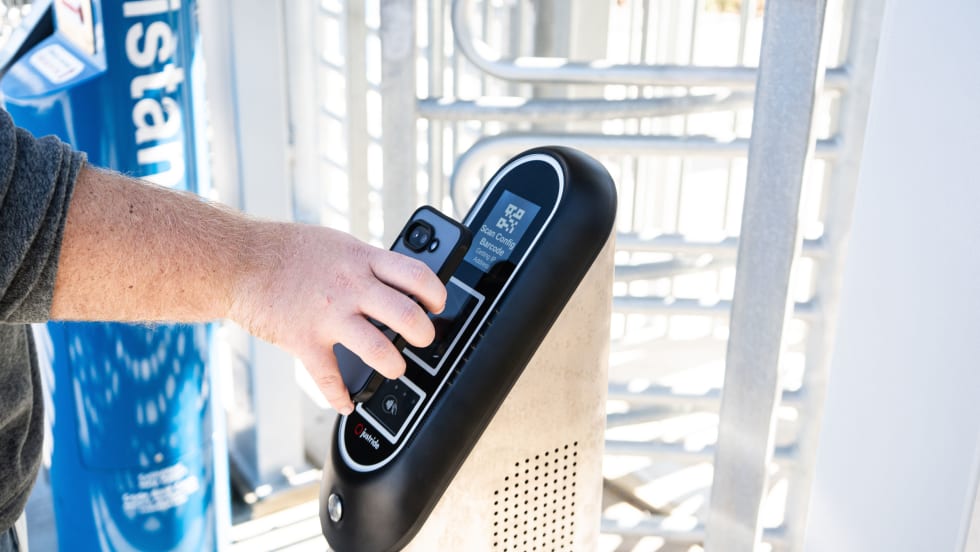
Biz Briefs: Masabi Teams with St. Louis Metro and More
In METRO's latest installment, we take a look at recent news from Transdev, Hitachi, and more partnerships making headlines across the transportation sector.
Read More →
New York MTA Leverages Zoning Program to Advance Station Accessibility
Accessibility enhancements at Nevins St Station will be financed through a development agreement tied to the MTA's Zoning for Accessibility initiative.
Read More →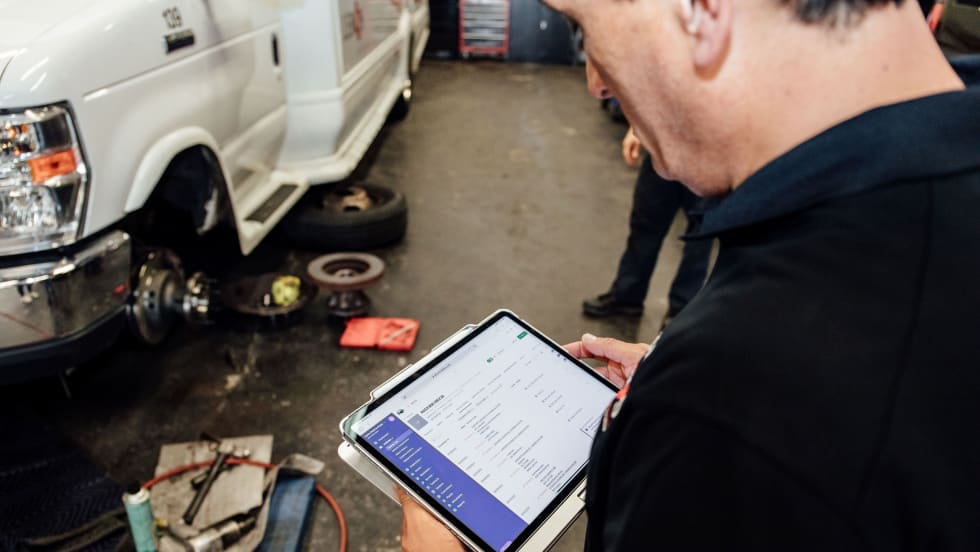
Reinventing Fleet Maintenance with Real-time Visibility and AI
Transit leaders need to know what needs fixing, where to look, who is responsible, when work is completed, and what it costs without having to chase information across disconnected systems.
Read More →
SamTrans Sets Priorities for Potential Connect Bay Area Revenue
The board-approved framework allocates future funding to maintaining service, rider improvements, equity initiatives, and infrastructure repairs.
Read More →