
Metro Magazine

 MENU
MENU SEARCHMENUSEARCH
Loading data...

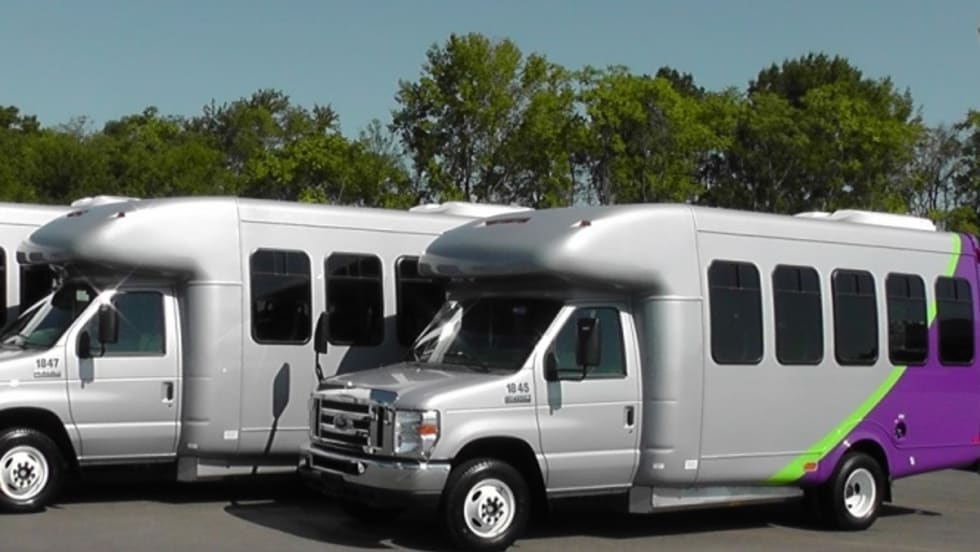
The facility will support the Atlantic City Jitney Association's deployment of its new fleet of 190 clean-running, 13-passenger shuttle buses.
Read More →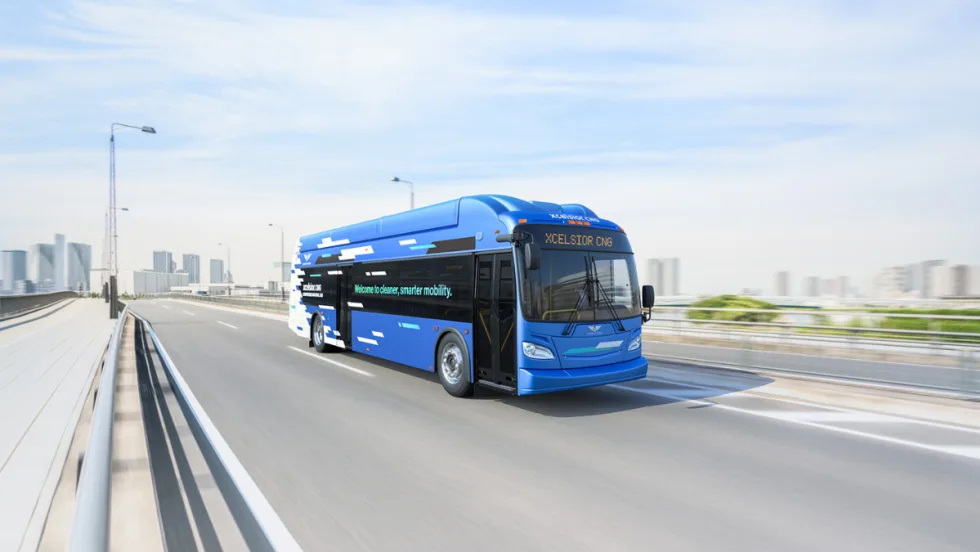

The order for low-emission Xcelsior CNG buses deepens RTC’s decades-long partnership with NFI, advancing cleaner, smarter transit in Southern Nevada.
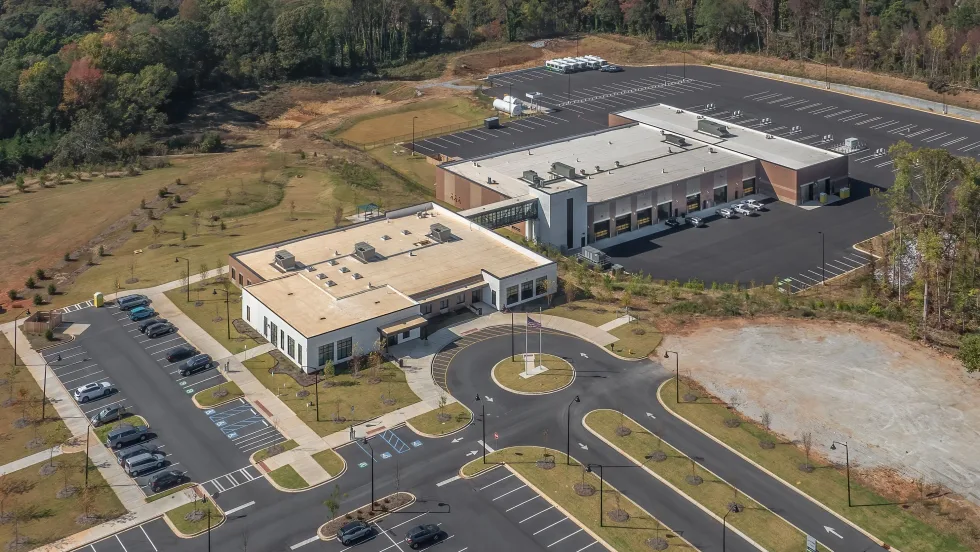
Read More →Greenville, S.C., recently saw an upgrade to Greenlink Transit’s network thanks to the completion of a new maintenance facility. This facility marks the first step in preparing the agency to expand and improve its services.
Read More →The Metro Regional Transit Authority of Akron, Ohio awarded Clean Energy Fuels Corp. a five-year contract to operate and maintain the fueling station for Metro’s fleet of 45 full-sized compressed natural gas buses.
Read More →The station, built as a partnership between the two entities, is used to fuel City of Columbus vehicles. It is also open to the public and companies with CNG fleets.
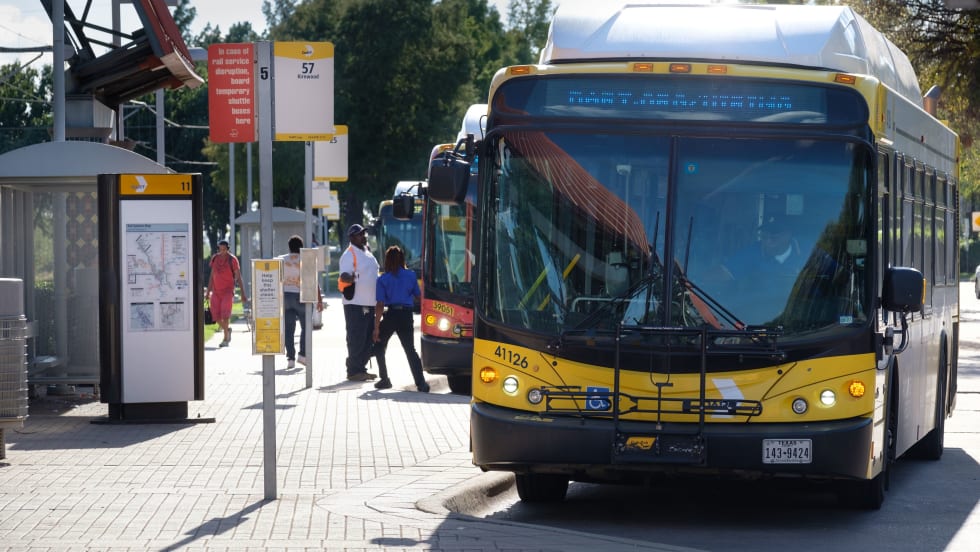
Read More →DART and Pierce Transit earn gold and silver for leadership in clean energy, emissions cuts, and sustainable transit practices.
Read More →GRTC is a member of the Virginia Clean Cities (VCC) coalition, which over the years has hosted a variety of workshops, webinars and other training opportunities for fleets interested in transitioning to CNG. Another coalition member — the City of Richmond — inaugurated its fleet of CNG refuse haulers in 2011, which set the stage for GRTC’s transition. View the YouTube video to see how VCC helped the city implement its CNG fleet.
Read More →The buses, operated by CATCO (Clean Air Transit Company), cover three routes in the Castle Rock area.
Read More →The order, which was supplemented by $103 million in federal grant funds, marks a significant step forward in DART’s mission to become a best-in-class mobility partner for the North Texas area through its DART Transform program.
Read More →