



New HART CNG bus fleet yields environmental benefits, cost savings
The heavy-duty, low-floor buses, part of the agency's continuing commitment to improve air quality in the Tampa Bay area, were built by Hayward, Calif.-based bus manufacturer, Gillig.

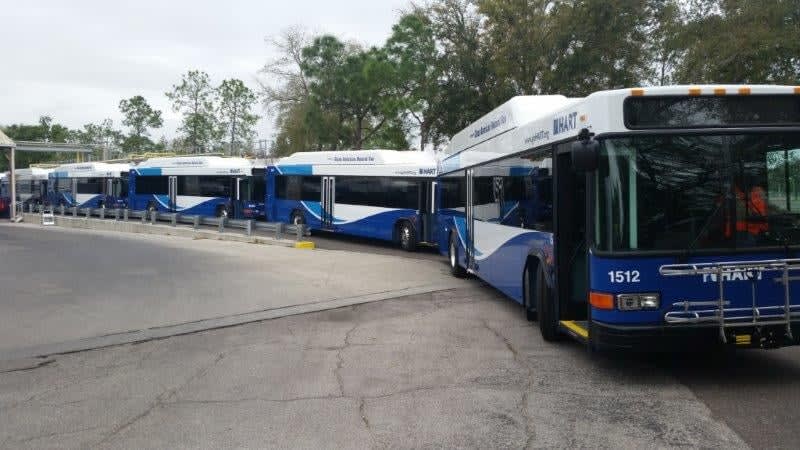
Photos courtesy HART.
Photos courtesy HART.
Florida's Hillsborough Area Regional Transit Authority (HART) new fleet of smoother-riding, cleaner-running 40-foot buses are taking to the streets. The buses began service on March 30, and will replace the agency's aging diesel buses that are ready to be retired. The 22 bus-fleet will be running exclusively on compressed natural gas (CNG), and each bus is estimated to reduce annual fuel costs by $16,022 per year and significantly limit harmful emissions.
RELATED:Fla.'s HART, Red Coach parter for service
The heavy-duty, low-floor buses, part of the agency's continuing commitment to improve air quality in the Tampa Bay area, were built by Hayward, Calif.-based bus manufacturer, Gillig.
"We are committed to clean air technology," said HART CEO Katharine Eagan. "Our continued investment in a clean fleet of alternative-fuel vehicles and proven green technologies has made us an industry leader in the state of Florida."
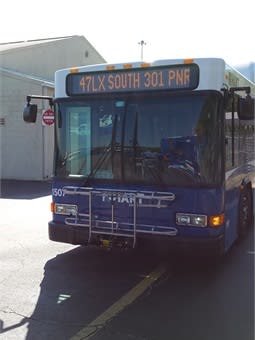
The vehicles are equipped with modular ergonomic designed seats that provide a larger, more comfortable personal sitting area. They feature disc brakes replacing drum brakes; electric fans replacing hydraulic fans for better cooling and fuel economy; and an innovative safety feature that identifies bus operators merging into traffic from bus bays with a flashing yellow "YIELD" LED light displayed on the rear of the bus. These buses are replacing two current fleets of diesel vehicles that began service in 2001-2002. The full fleet conversion is scheduled for completion in 2025.
Last April, HART introduced a new fleet of 20 CNG HARTPlus paratransit vans and eight HARTFlex vans. The CNG vans are part of an effort to maintain the same level of service at lower costs and according to the U.S Environmental Protection Agency (EPA), CNG-powered vans can produce approximately 25 percent fewer carbon dioxide emissions (CO²), than similar gasoline and diesel-powered vans.
More Technology
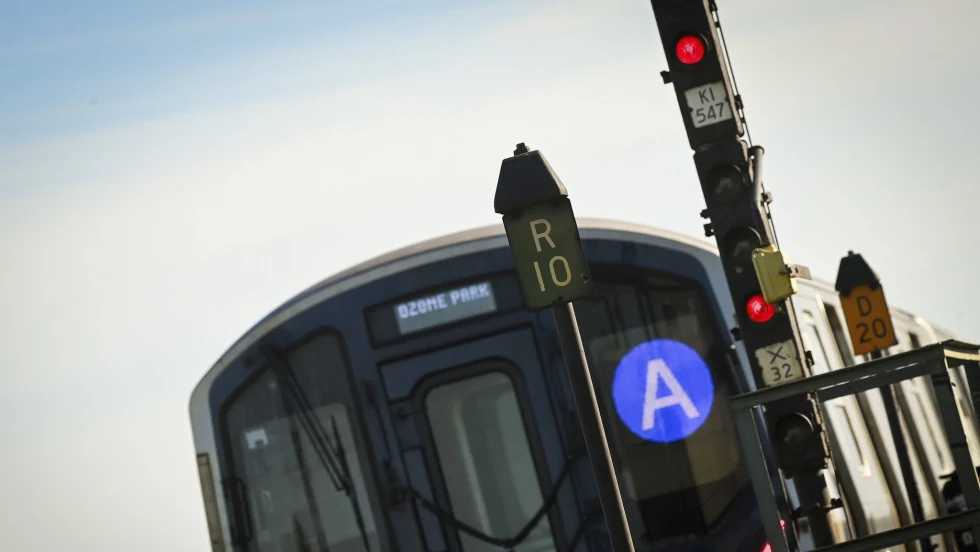
New York MTA Launches Historic $1.9B Signal, Track Modernization Project
Funded in part by congestion pricing revenue, the project will replace nearly century-old signals along the A and C lines in Brooklyn and Queens.
Read More →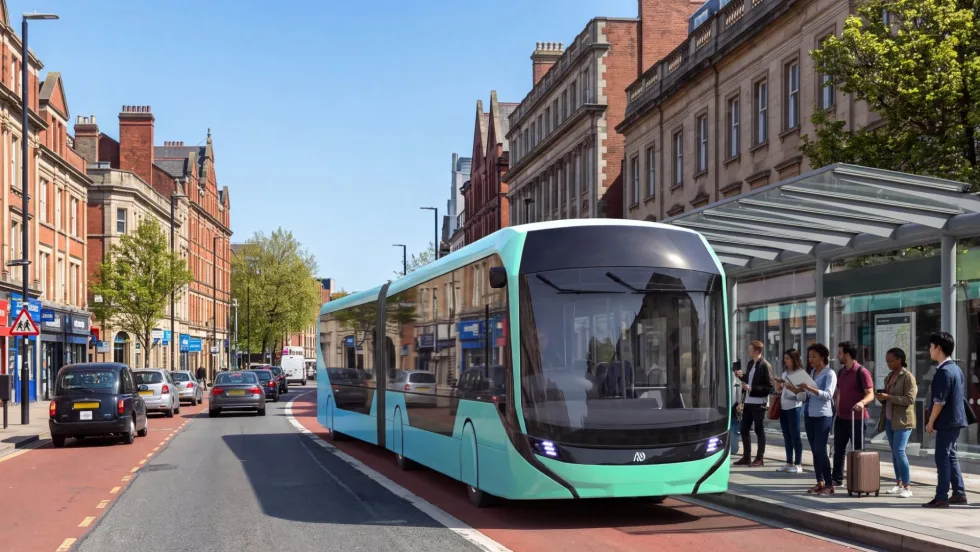
Biz Briefs: New Electric Offering from Alexander Dennis/Volvo, Transdev in Boston, and More
In METRO's latest installment, we also take a look at recent news from STV, WSP, Prevost, and more partnerships making headlines across the transportation sector.
Read More →
Roman Cornell on ABC Companies’ Evolution and the Future of Passenger Transportation
The company’s CEO discusses carrying forward a third-generation family legacy, ABC’s continued evolution in passenger transportation, support for increasingly complex fleets, and how technology and continued investment could help operators improve uptime.
Read More →
ETA CEO John Maglio on Transit Technology, Innovation, and Building Agency Trust
ETA founder and CEO John Maglio explores the evolution of transit technology, the importance of reliable systems, and how stronger partnerships can help agencies improve operations and the passenger experience.
Read More →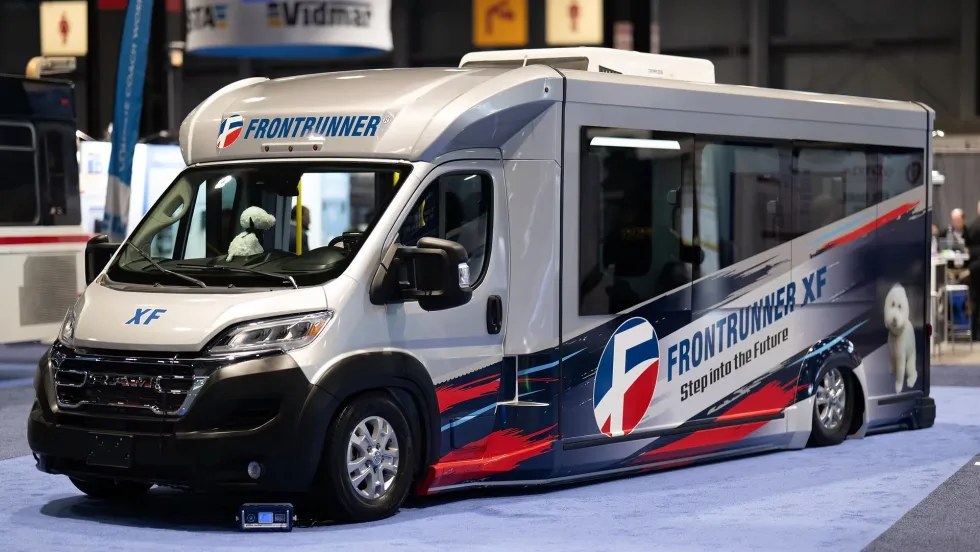
Frontrunner Bus Group Introduces XF Low-Floor Bus with Enhanced Accessibility
The new mid-sized bus features a full flat-floor design, eight-inch curbside step-in height, and zero-entry rear ramp to improve passenger access and operational flexibility.
Read More →
Building a Flexible Path to Transit Electrification with BAE's John Hroncich
John Hroncich discusses BAE Systems’ modular and scalable approach, lessons learned from decades of real-world operations, and how agencies can identify electrification strategies that fit their fleets.
Read More →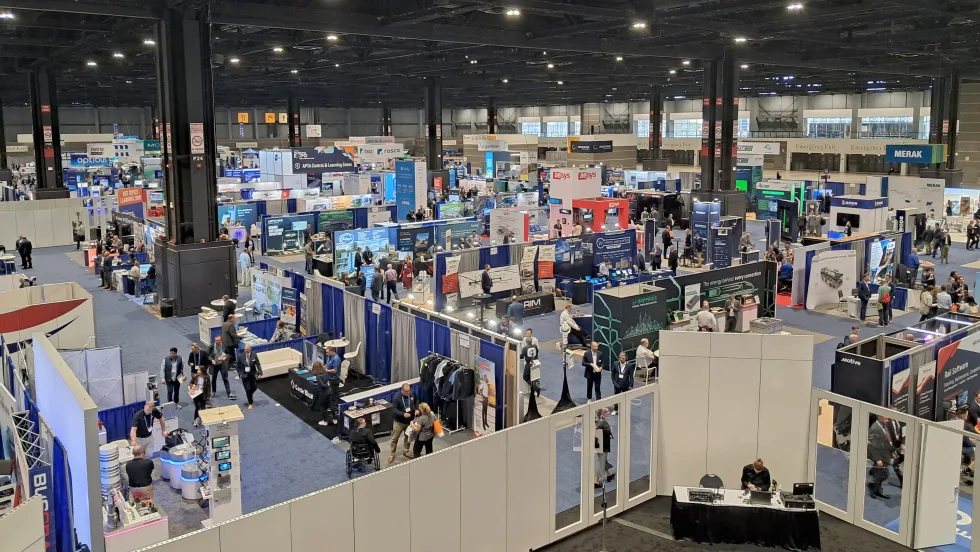
Scenes from APTA TRANSform & EXPO 2026
Transit leaders, manufacturers, and industry professionals gathered in Chicago to explore new technologies, share ideas, and discuss the future of public transportation.
Read More →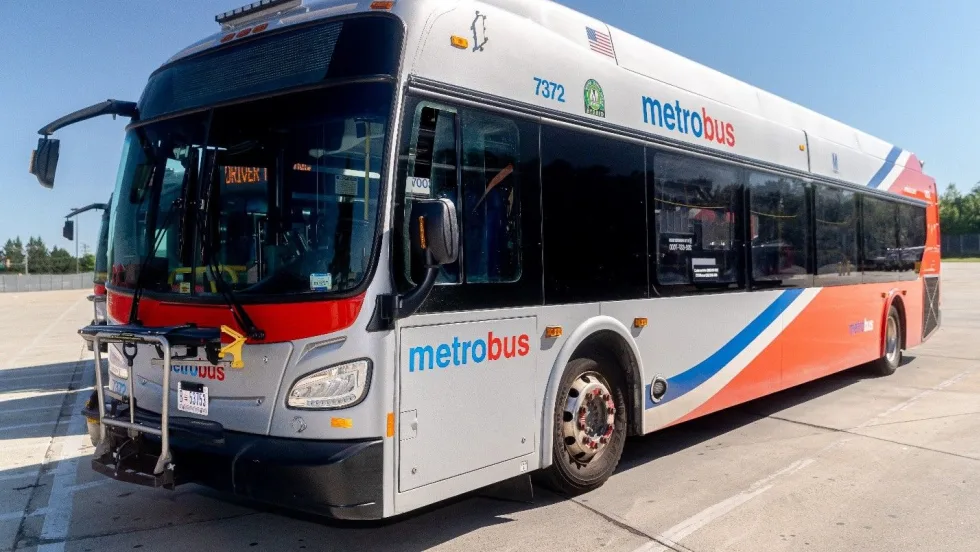
Biz Briefs: New Flyer Secures Additional 100-Bus Order from WMATA and More
In METRO's latest installment, we also take a look at recent news from Masabi, MCI, Samsara, and more partnerships making headlines across the transportation sector.
Read More →
MTA Fare Gate Pilot Reduces Fare Evasion by 35%
Following a 20-station pilot, the agency plans to install new fare gates at 20 additional subway stations as part of a $1.1 billion modernization initiative.
Read More →
California Law Extends AC Transit’s Bus Lane Camera Enforcement
The new law allows AC Transit to continue using forward-facing bus cameras to enforce parking violations in bus-only lanes and at bus stops.
Read More →