
Metro Magazine

 MENU
MENU SEARCHMENUSEARCH
Loading data...
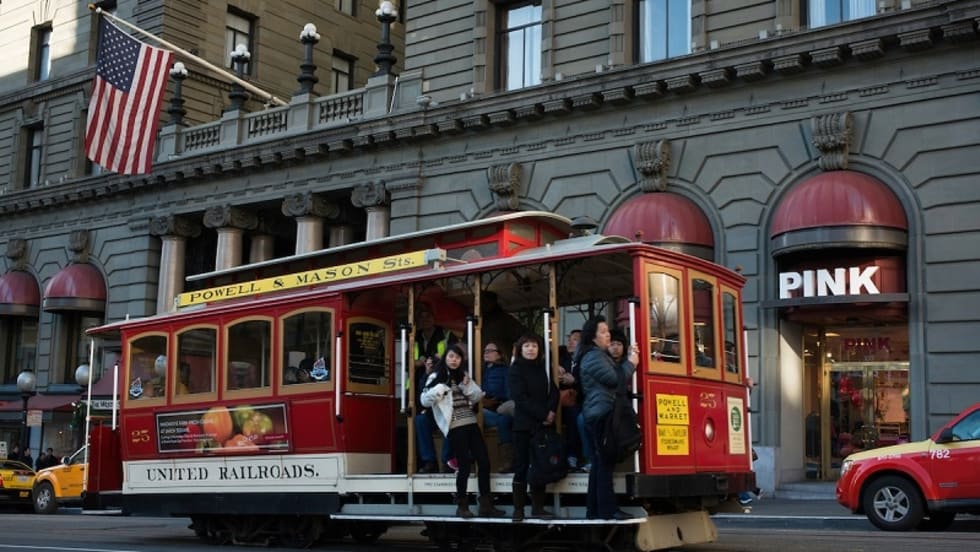
The fleet is composed of 151 light rail vehicles, 26 historic streetcars and 40 cable cars, and require a continuous supply of spare parts and inventory from a variety of vendors.
Read More →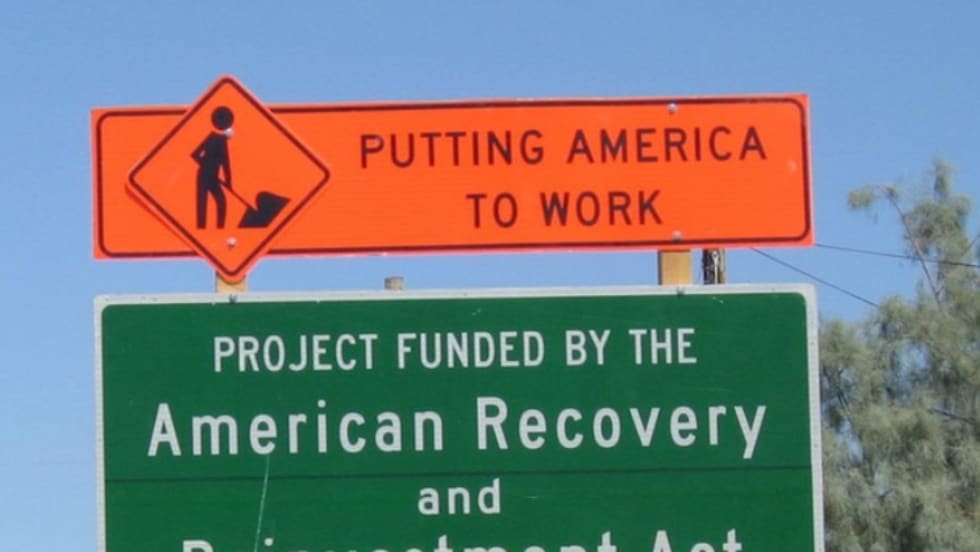
The new report reviews the metrics for success for that funding in all sectors of the nation’s transportation systems as well as the long-term impact those dollars made on improving the lives of Americans across the country.
Read More →The problem was not a safety issue, but a design change is being made to preserve long-term equipment quality, SEPTA officials said.
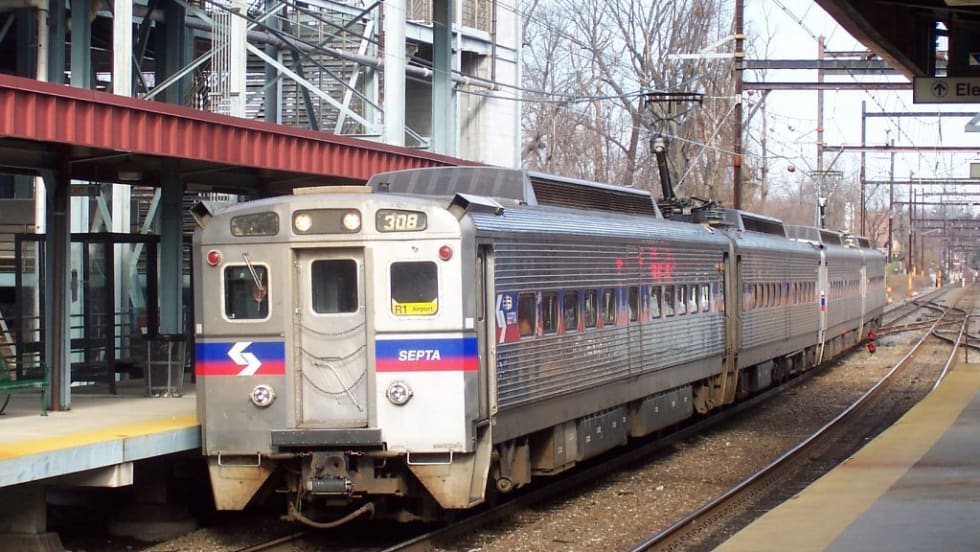
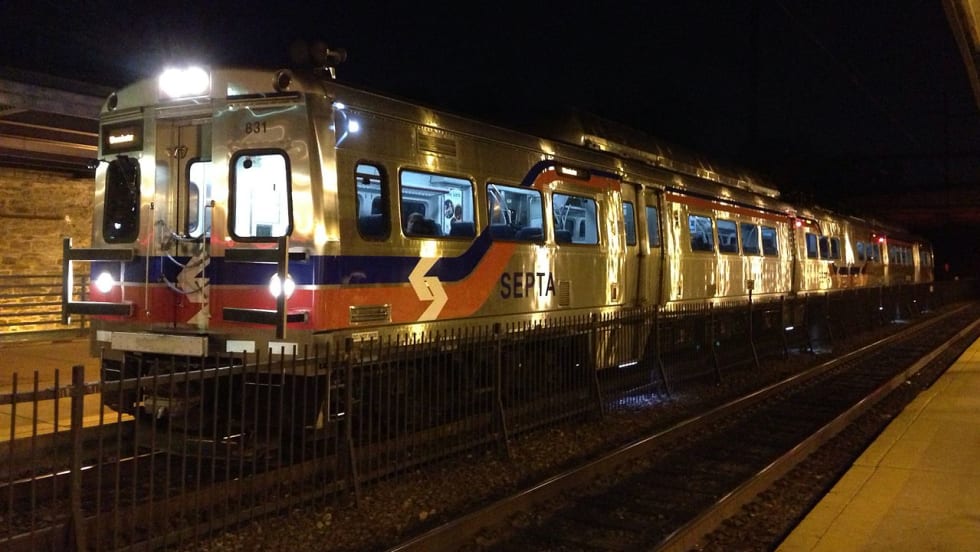
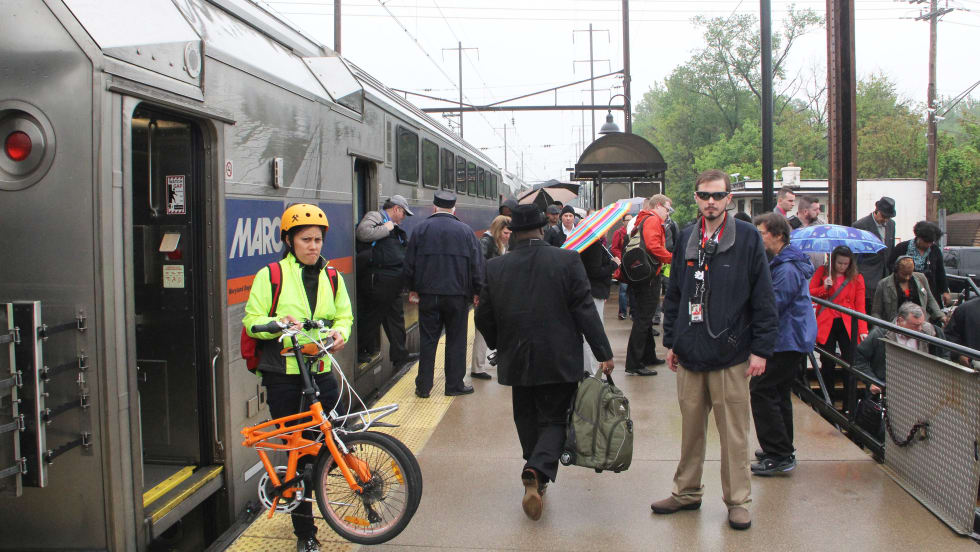
Read More →A week ago, the agency shut down 120 Silverliner V cars after defects were found in the suspension systems. The shortfall has resulted in many delays, standing-room-only cars and morning trains having to skip stops nearest to downtown Philadelphia after reaching maximum capacity.
Read More →The commuter service began running multi-level Bombardier railcars with more seating capacity, introduced bike cars, and expanded operation to weekends and holidays.
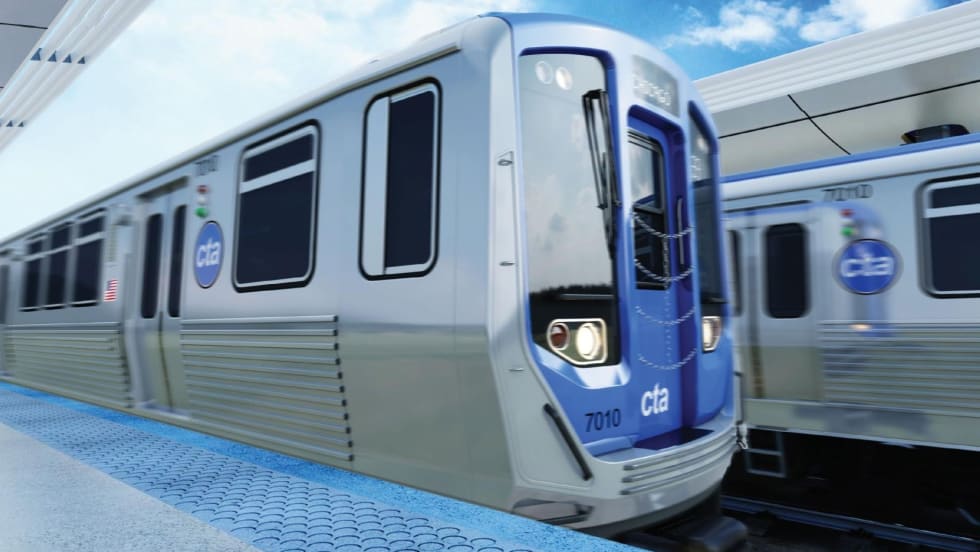
Read More →The new vehicles will help meet growing ridership demand and improve security with up-to-date technology. Modernizing CTA’s rail fleet also will improve the reliability of transit service and give passengers a smoother, more comfortable ride.
Read More →Reliability is measured by mean distance between failures, which is the average mileage that the agency's rail and bus fleets travel before breaking down. The more miles traveled indicates that the fleet is more reliable.
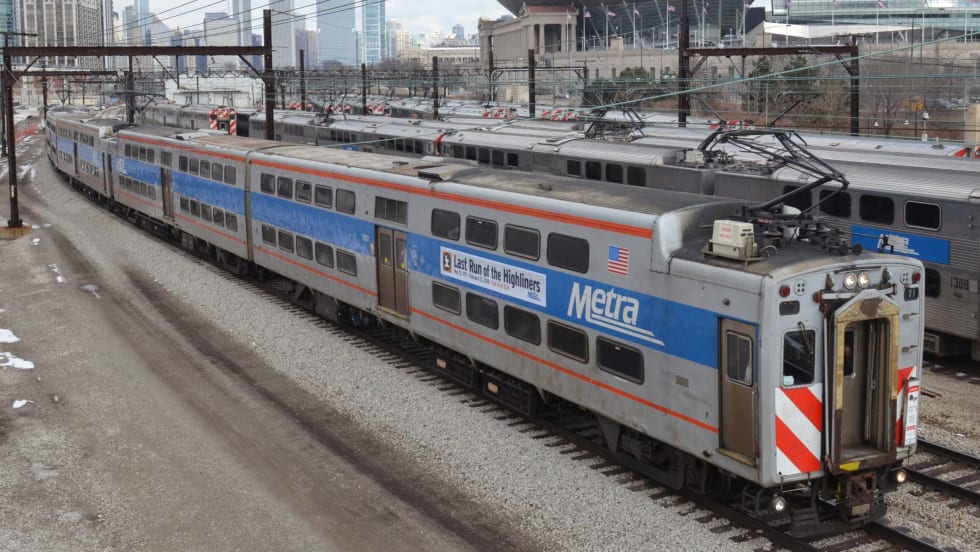
Read More →The railcars began serving customers on the Illinois Central, now the Metra Electric Line, on May 31, 1971. Federal funds covered two-thirds of the $40 million cost and the IC paid the rest.
Read More →Chicago rail agency seeks 10 cars now, with maximum purchase over the life of 7-year contract.
Read More →Increased sales tax receipts could be the answer that transit agencies, such as Metra have been looking for.
Read More →