Metro Magazine

 MENU
 SEARCHMENUSEARCH
Loading data...
To expand customer service and ridership, transit properties are investing in high-tech methods of providing passengers with real-time information via displays, annunciator systems, the Internet and e-mail.
Read More →Today, the bus insurance industry is in a peculiar situation: It can’t defend rising premiums without admitting to playing a large contributing role in creating the foundation for today’s “crisis” by underpricing its product for years.
Read More →The service provided 8,453 rides last fiscal year, up from 3,520 rides in 2009-10, when the system started operation. Each month, the paratransit service gets 10 to 12 new applications.
Read More →The driver of the bus that crashed, Haeng Kyu (James) Hwang, was found to have been driving well beyond the 70-hour maximum hours of service within a seven-day period as permitted under federal regulations.
Read More →When service begins again, Metro-North trains will return to the full pre-storm schedule of 26 daily trains and 14 trains each weekend day and the interim train-bus-train service will cease.
Read More →The Ann Arbor Transportation Authority held several meetings to determine the preferred type of transit for the area, after narrowing the choices down to a bus rapid transit system, light rail and an automated guideway transit.
Read More →Funding through the Motor Carrier Safety Assistance Program supports safety inspections of large buses, investigations of motor carriers in response to safety concerns, and audits of bus companies to reinforce responsible operation and ensure the safe movement of goods and passengers.
Read More →SEPTA Key 2.0 is a multimodal fare payment system intended to improve the customer experience.
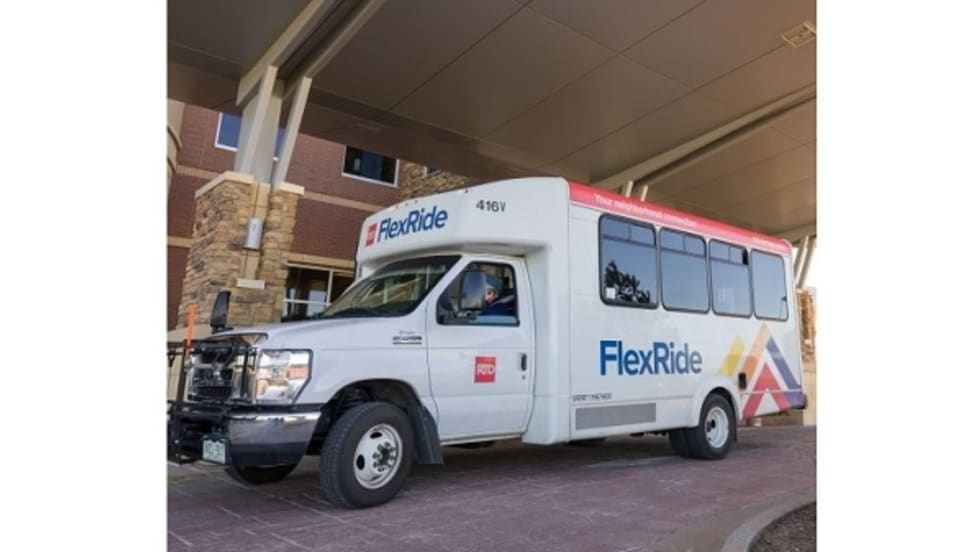
Read More →The app allows customers to book the agency’s FlexRide service and see connections with bus and rail in real time.
Read More →