
Metro Magazine

 MENU
MENU SEARCHMENUSEARCH
Loading data...
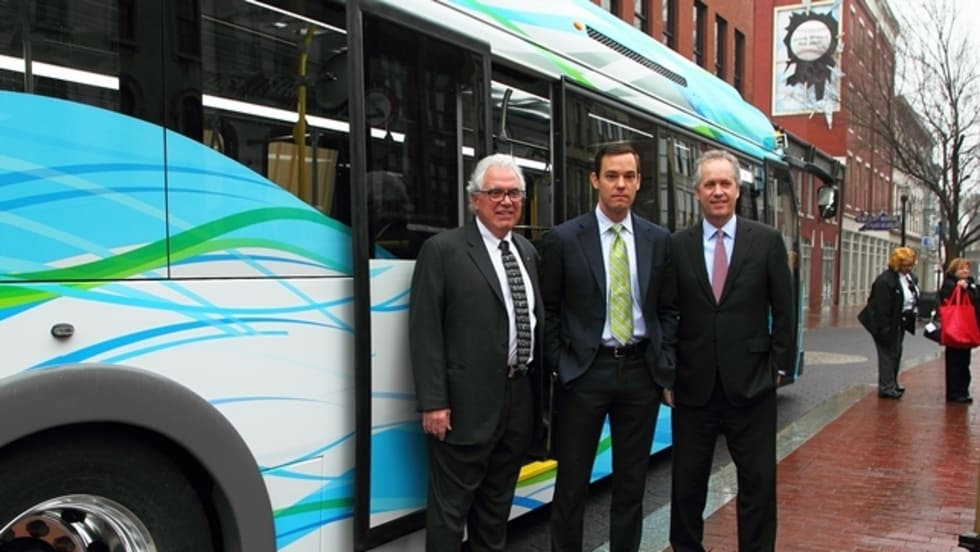
The all-electric system - 10 buses and two charging stations - is an $11 million investment, with the bulk of funding from federal and state grants. Louisville Metro contributed $500,000.
Read More →
The eRating vehicle certification is voluntary and uses an index that measures several criteria including the use of low-emissions technology, alternative fuels and greenhouse gas emissions calculated per passenger mile.
Read More →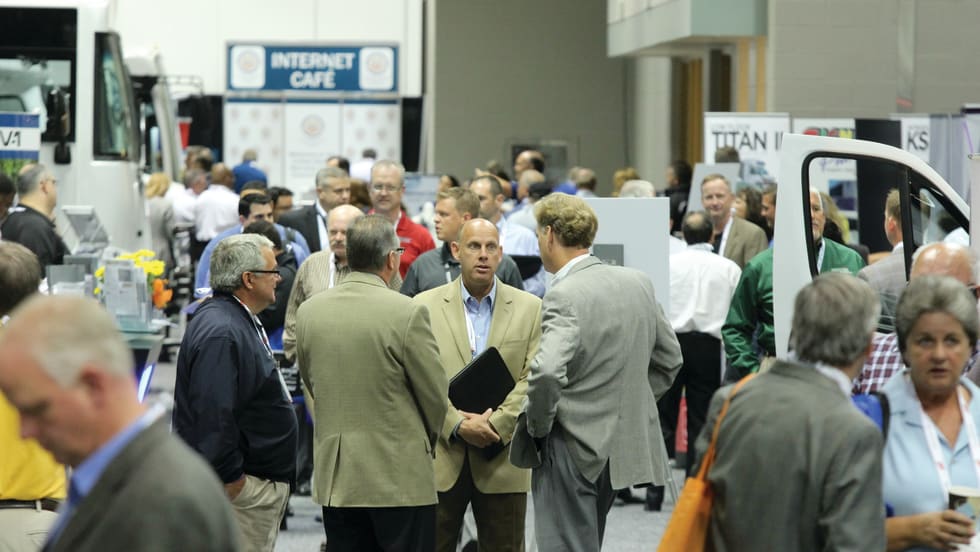
Held for the first time in Indianapolis, this year’s event featured several electric and new propane autogas vehicle debuts, while in the classroom, safety was a major focus, with sessions discussing technology integration and training.
Read More →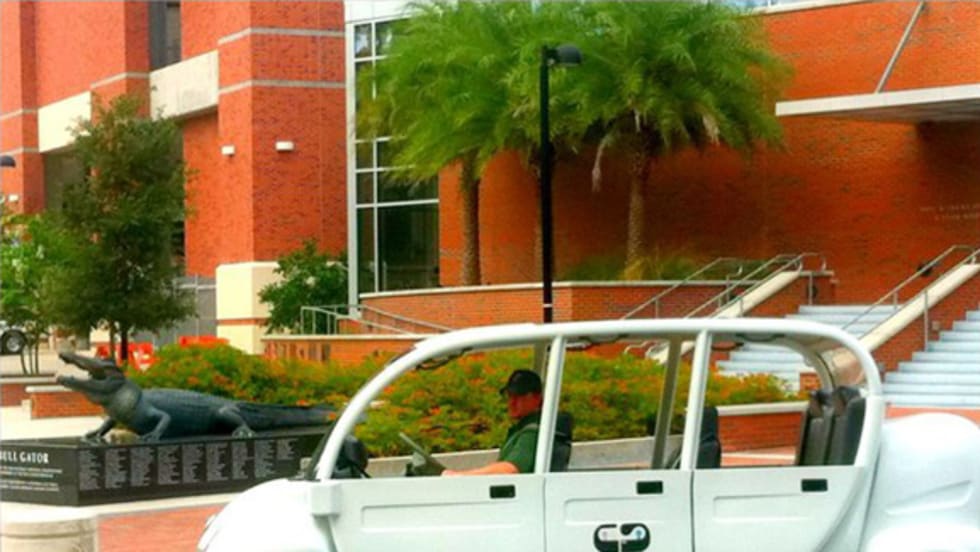
Gotcha Ride makes its money from advertising on the vehicles, student drivers pull in as much as $150 a night from tips and universities like the rides that provide another transportation option on crowded campuses
Read More →
In addition to raising public awareness of safety issues involving buses, the MTA is testing technology to reduce the likelihood of collisions with pedestrians, cyclists and vehicles, and is also enhancing training for bus operators.
Read More →
As well as highways evolving, the report foresees that patterns of ownership will change in the coming years, with commuters more likely to purchase access to a vehicle rather than the vehicle itself.
Read More →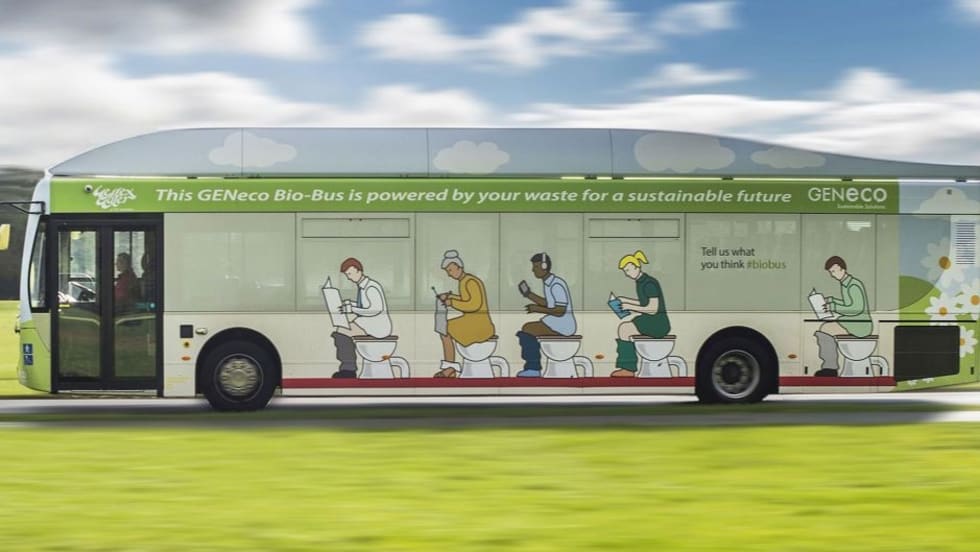
The Bio-Bus can travel up to 186 miles on a full tank of gas, which takes the annual waste of around five people to produce.
Read More →
Despite the 2011 goal to reduce carbon gas emissions by 25%, university data published by the Office of Campus Sustainability show that emissions decreased in 2012, but then increased in 2013. Transportation emissions have seen consistent decreases.
Read More →
The bus, which has been operational for about three months, currently runs in the morning from a bus station in Salt Lake City to University Hospital as well as an additional route on the UofU campus.
Read More →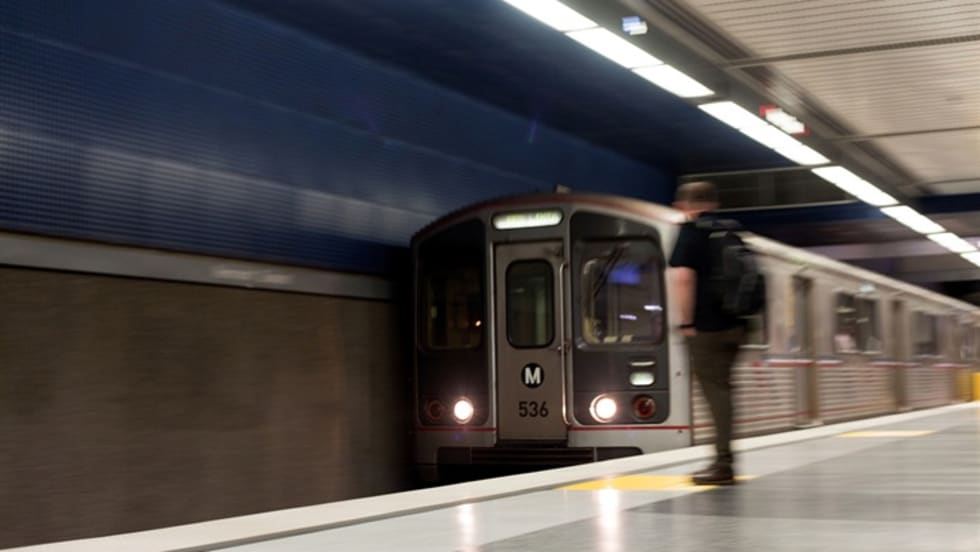
The Red Line Westlake/MacArthur Park Subway station is realizing nearly 20% in energy consumption. Based on the data obtained so far, it is estimated an annual savings of 541 megawatt hours, enough to provide power to 100 average California homes.
Read More →