
Metro Magazine

 MENU
MENU SEARCHMENUSEARCH
Loading data...

The Siemens CBTC System, Trainguard MT, in compliance with New York Subway Interoperability Interface Specifications, enables trains to run as close as 90 seconds apart, using next-generation signaling and continuous communication to keep operations moving seamlessly.
Read More →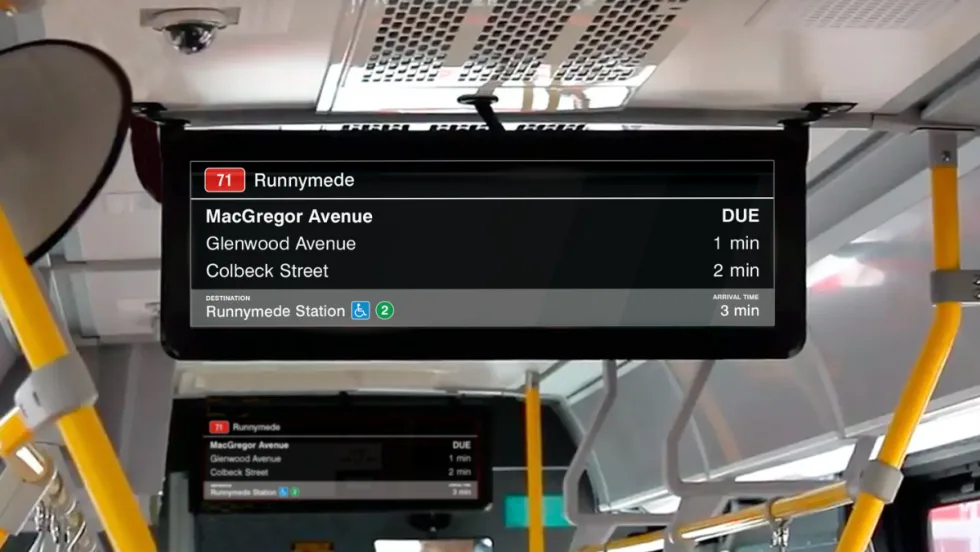
New onboard displays and stop-level screens aim to make transit easier to navigate, especially during disruptions and major events.
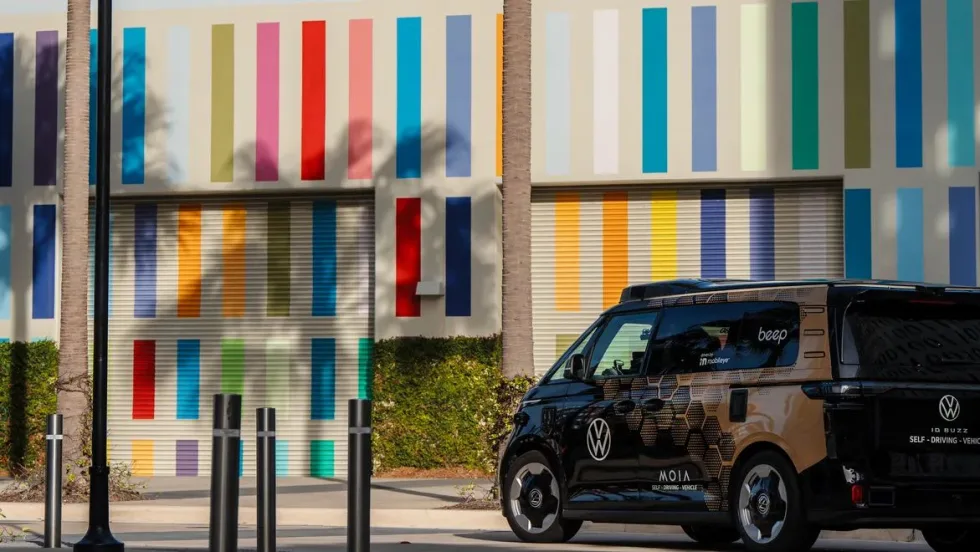
Read More →Through the strategic partnership, MOIA America will provide MOIA’s turnkey autonomous mobility solution. This includes purpose-built, autonomous-ready ID. Buzz vehicles equipped with the self-driving system developed by Mobileye, as well as operator training and enablement.
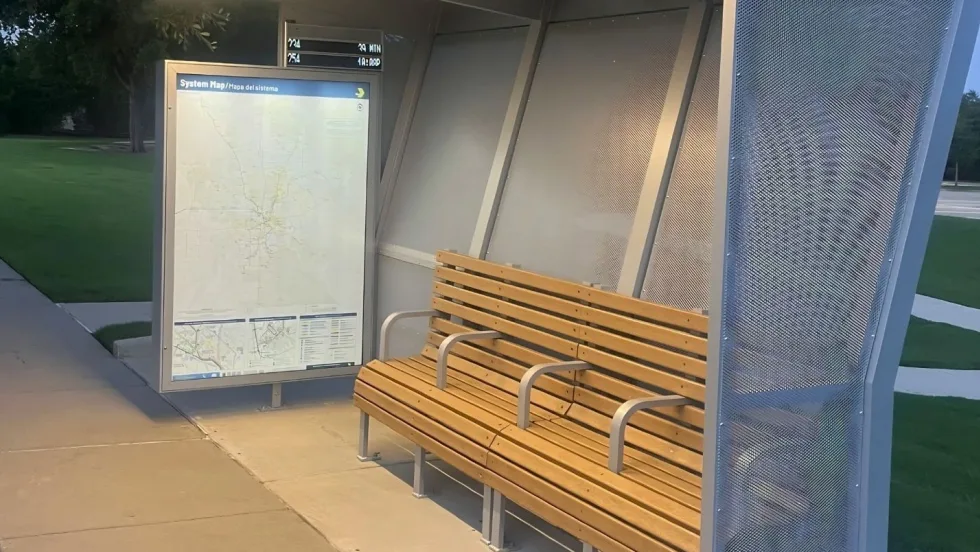
Read More →Officials said the project delivers a fully integrated passenger environment featuring improved solar-powered LED lighting, real-time arrival information, and a precision-engineered shelter designed to withstand the Texas climate.
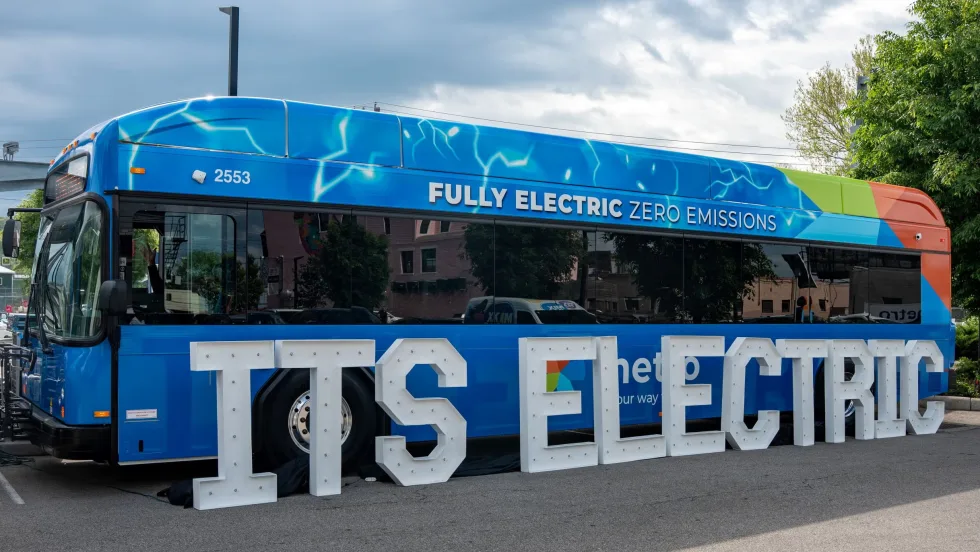
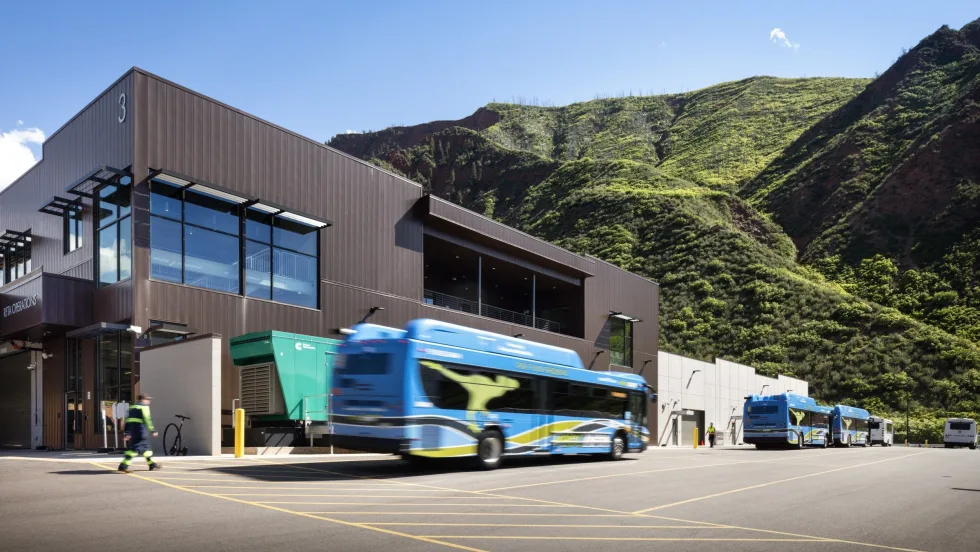
Read More →Two battery-electric buses entered service on Earth Day, with four additional vehicles expected to join the fleet this summer. Seven more buses are planned for the end of 2027, bringing Metro’s total zero-emission fleet to 13.
Read More →Stay informed with these quick takes on the projects and companies driving progress across the transportation landscape.
Read More →Legislation would expand funding for training, apprenticeships, and workforce development as agencies face staffing shortages and evolving technology demands.
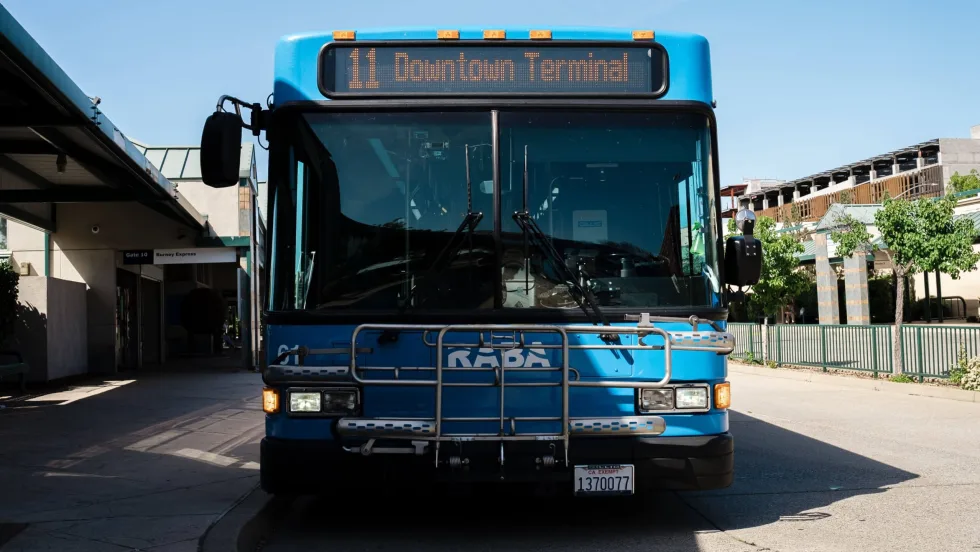
Read More →With this launch, RABA is also now live on Cal-ITP Benefits, becoming the ninth transit agency in California to join the platform and the first small transit provider in the state to offer automated, real-time low-income fare eligibility verification through Tap2Ride.
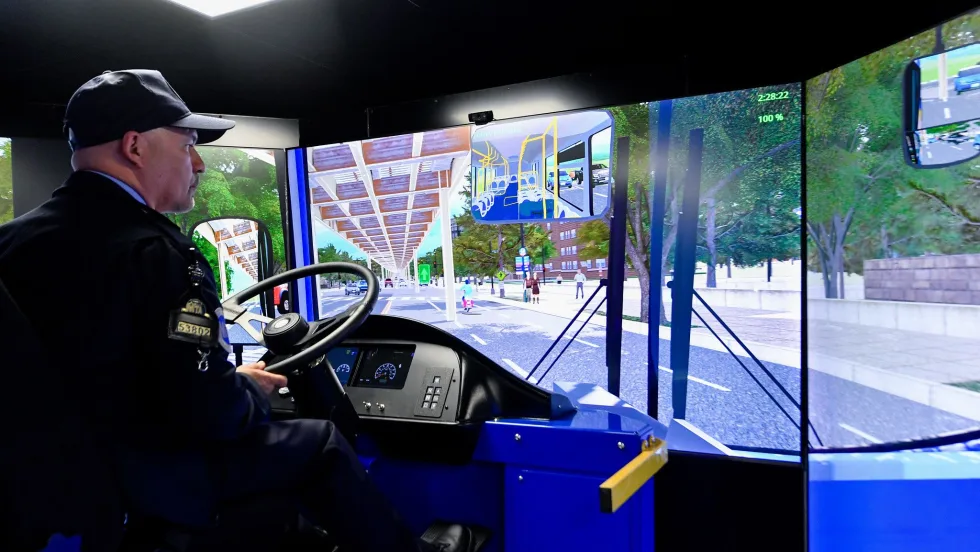
Read More →Officials said the investment reflects the agency’s commitment to modernizing operator training while improving safety and operational readiness across the system.
Read More →A 5% rise in deliveries and a surge in zero-emission buses signaled progress in 2025, but high costs, long lead times, and shifting funding priorities continue to cloud the outlook.
Read More →