




RELATED: NTSB calls on Amtrak to record, review crewmember actions
Video Surveillance Technology: Utilizing Data to Advance Transit Safety
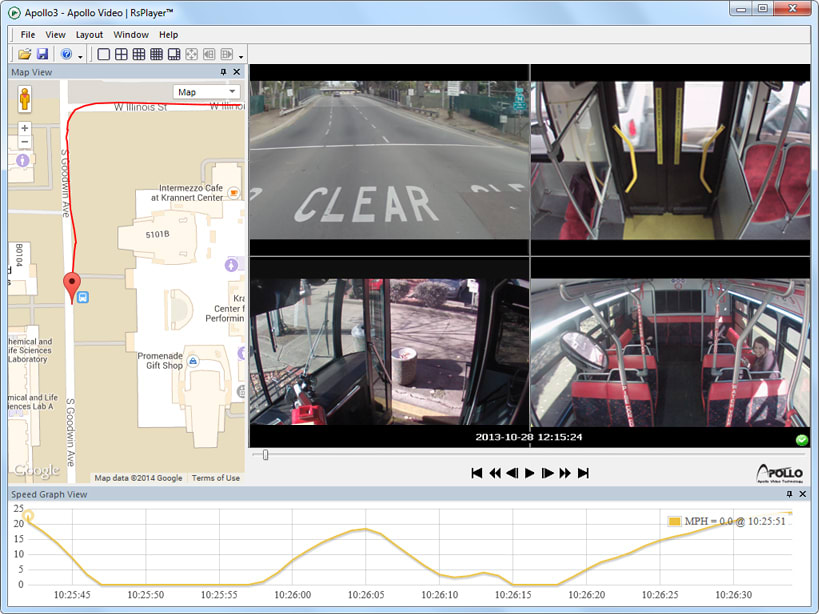
Video surveillance technology is a vital component to transit and rail operations as agencies recognize the value such solutions offer. A comprehensive system does more than deliver high quality video and audio recordings. Supporting data and software tools increase the efficiency of agencies’ video management operations, substantiate liability claims and investigations, and promote safety for both passengers and operators alike.
October 23, 2015
Apollo Video Technology
3 min to read
Apollo Video Technology
Video surveillance technology is a vital component to transit and rail operations as agencies recognize the value such solutions offer. A comprehensive system does more than deliver high quality video and audio recordings. Supporting data and software tools increase the efficiency of agencies’ video management operations, substantiate liability claims and investigations, and promote safety for both passengers and operators alike.
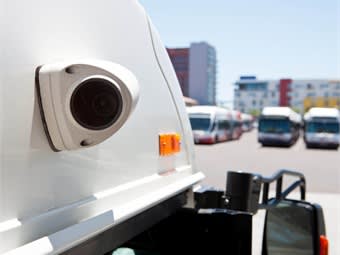
Such capabilities have become increasingly important for agencies looking to bolster safety measures. Earlier this year, the National Transportation Safety Board (NTSB) issued a formal recommendation stating that inward- and outward-facing cameras should be installed aboard railcars to aid in accident investigations and to enhance operator performance. According to the NTSB’s recommendation letter, this technology will improve the quality of accident investigations by providing critical evidence to determine the cause of accidents in order to ultimately strengthen public safety.
Apollo Video Technology
But video surveillance is not just useful in accident investigations — it’s a practical first step for improving public safety and transit operations. Valuable across all forms of transportation, metadata collected from onboard systems allows agencies to analyze their information and build safety protocols and programs to proactively mitigate potential risks. An automatic download of video clips triggered by events like g-forces, train overspeed, rapid deceleration, emergency brake application, ABS and other occurrences are results of such safety enhancements. Such developments afford transit officials a wealth of information to help detect and then correct operator conduct and other safety issues before they lead to serious injuries or loss of life.
In light of the tragic Amtrak derailment outside Philadelphia earlier this year, NJ Transit, New Jersey’s public transportation corporation, took the NTSB’s recommendation to heart. The agency is in the process of proactively installing Apollo Video Technology’s video recording solutions in partnership with Railhead Corp. Inward- and outward-facing cameras will be added to its fleet of locomotives and railcar cabs. Camera systems with sophisticated management software will allow NJ Transit and other rail agencies adhering to the NTSB’s recommendation to use the technology to automatically identify high-risk operator actions, supplying transit officials with a random selection of video clips and those identified as hazardous.
Apollo Video Technology
Video evidence captured from onboard cameras, along with analytical information, offers agencies and investigators deeper insight into operations and safety warnings. And, added features such as live video streaming allow transit officials to view actual events in real-time. At a lower cost and faster implementation than other safety initiatives, many organizations are combining their robust video surveillance solutions with other safety applications such as positive train control to construct a powerful hybrid solution. This fulfills a key tenet of agencies across the country: to protect passengers and crews onboard vehicles.
Beyond safety, video evidence has also proven useful in lawsuits and liability claims as the discovery process following an incident can be challenging, often requiring extensive resources. Video surveillance systems have the ability to quickly and efficiently locate pertinent video footage and other evidence requested by law enforcement. This means that scanning hours of footage does not fall to agency staff, saving valuable time and resources. And, video footage can also help first responders and investigators substantiate claims and resolve lawsuits between agencies and the public.
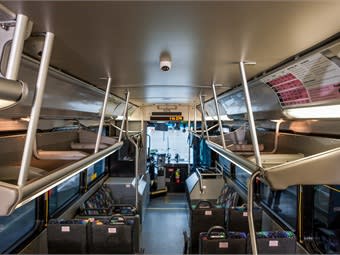
Apollo Video Technology
The addition of inward facing cameras on public transit vehicles of all types is a huge benefit to every stakeholder in the transportation industry: operators, managers, passengers and bystanders alike. Video surveillance technology does more than just monitor transit activity for safety awareness. Data collected from mobile video surveillance solutions offers agencies the tools to ultimately strengthen safety and security. Any technology that can mitigate risk and liability by way of identifying safety issues before they lead to injuries or loss of life should be a high priority for all agencies nationwide.
Rodell Notbohm is the CEO of Apollo Video Technology
Subscribe to Our Newsletter
More Blog Posts
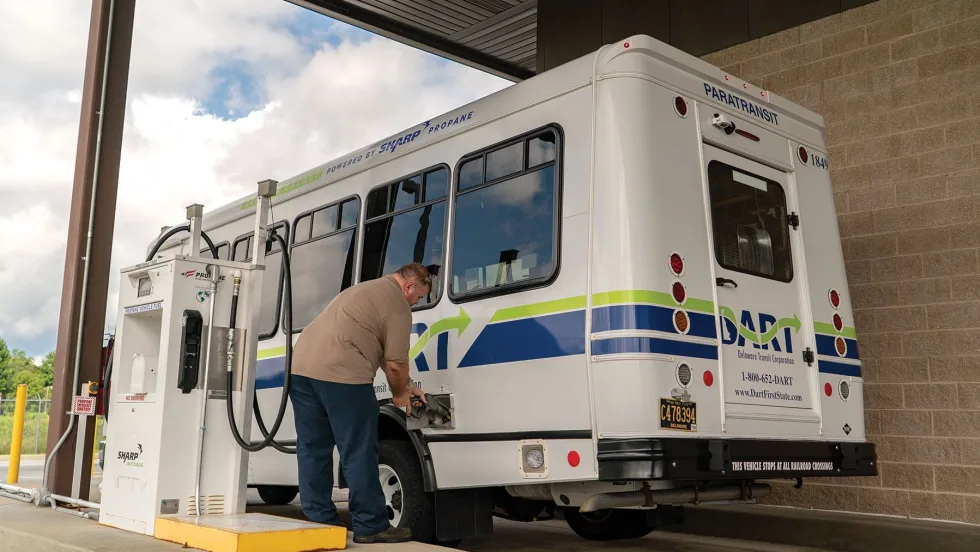
Building a Winning FTA Grant Proposal: Why Propane Autogas is the Pragmatic Choice for Fleet Resilience
With $610 million available through the FY 2026 Buses and Bus Facilities Competitive Program and the Low or No Emission Grant Program, agencies must build a compelling case before the September 21 deadline that balances environmental compliance with operational feasibility.
Read More →
Velo-city Conference 2026: Latest Trends in Cycling as Part of Urban Mobility
The global cycling conference highlighted how cities are integrating bicycles into multimodal transportation networks, expanding cycle tourism and reshaping urban mobility.
Read More →
Kindness Isn’t Soft...It’s Strategic.
Mike Bismeyer — often known as “The Kindness Guy” — has spent more than 17 years in public transit and mobility, serving in industry leadership roles, speaking across North America, and advocating for stronger workplace cultures. But his message doesn’t come from theory. It comes from lived experience.
Read More →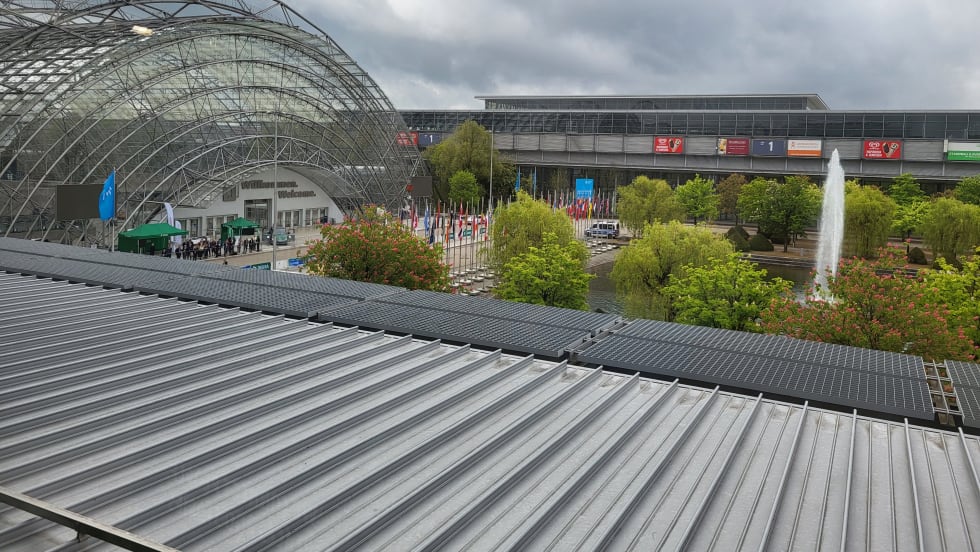
Inside ITF 2026: Transport Reacts to A Challenging World
Transport leaders from around the world gathered in Leipzig, Germany, for the 2026 International Transport Forum to discuss resilience, climate impacts, supply chains and the future of sustainable mobility.
Read More →
Every Ride Tells a Story — But You’re Not Just Selling the Ride
You’re selling the moment, the meaning, and the emotion behind it.
Read More →
How Digital Signage is Reshaping the Traveler Experience at Transportation Hubs
What was once a landscape of static signs has evolved into a responsive, immersive environment powered by real-time visual communication.
Read More →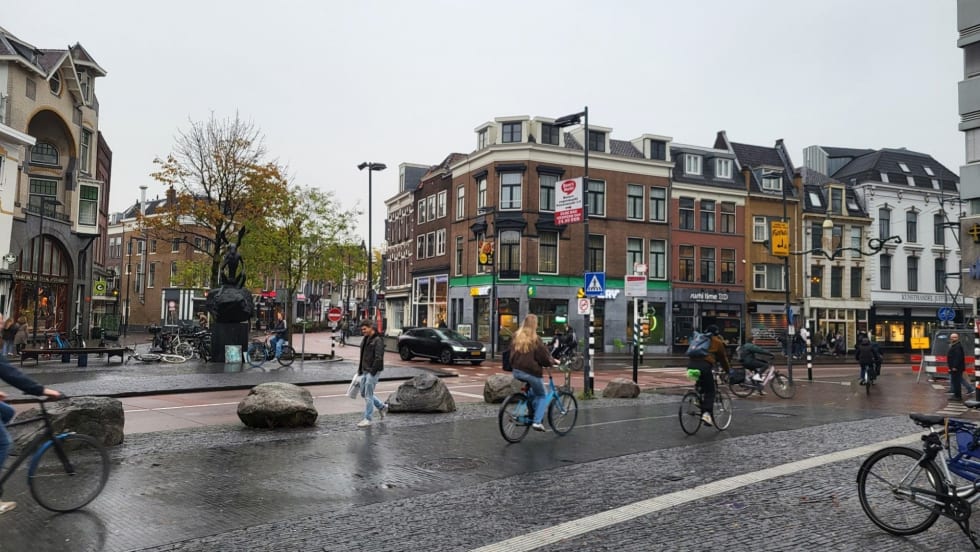
Latest Trends in Urban Mobility from Polis Conference 2025
Polis comprises cities and regions, as well as corporate partners, from across Europe, promoting the development and implementation of sustainable mobility. This year’s event had over a thousand attendees across various policy forums and an exhibition.
Read More →
Why Transit Leaders Require Better Tools for Operational Clarity In Today’s Tech-Fragmented Environment
Across North America and beyond, transit agency officials are contending with a perfect storm of operational headaches and strategic challenges that hamper daily service and long-term progress.
Read More →
The Powerless Brokers: Why California Can’t Build Transit
It is no secret that transit in the U.S. is slow and expensive to build.
Read More →
Why Transport Sustainability Should Focus on People Instead of Cars
Simply incentivizing electrification is not enough to make a meaningful impact; we must shift our focus toward prioritizing public transportation and infrastructure.
Read More →