
Metro Magazine

 MENU
MENU SEARCHMENUSEARCH
Loading data...
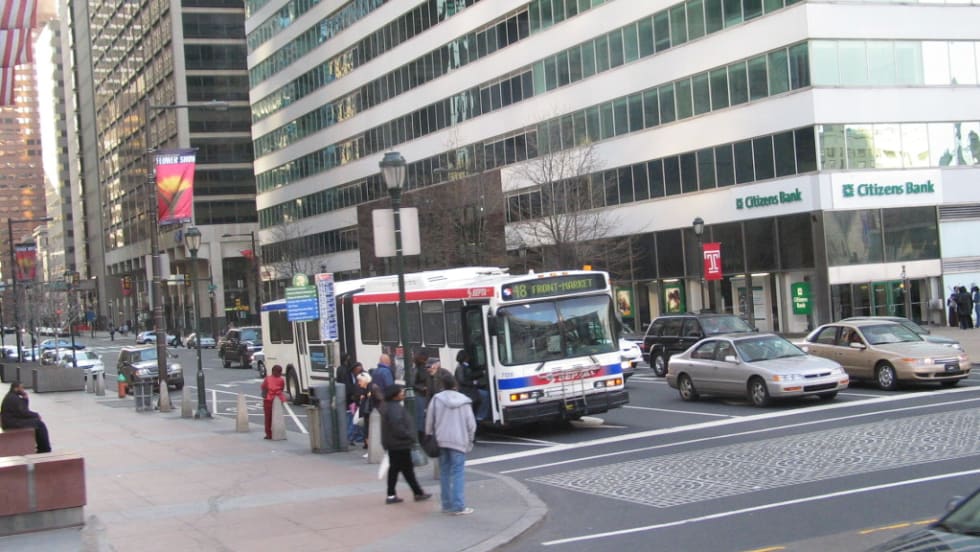
A federal court judge presiding over a dispute between the agency and a group seeking to purchase advertising space on SEPTA vehicles has ruled the agency must accept the ads, even if they contain messages that may be disparaging to riders and agency employees.
Read More →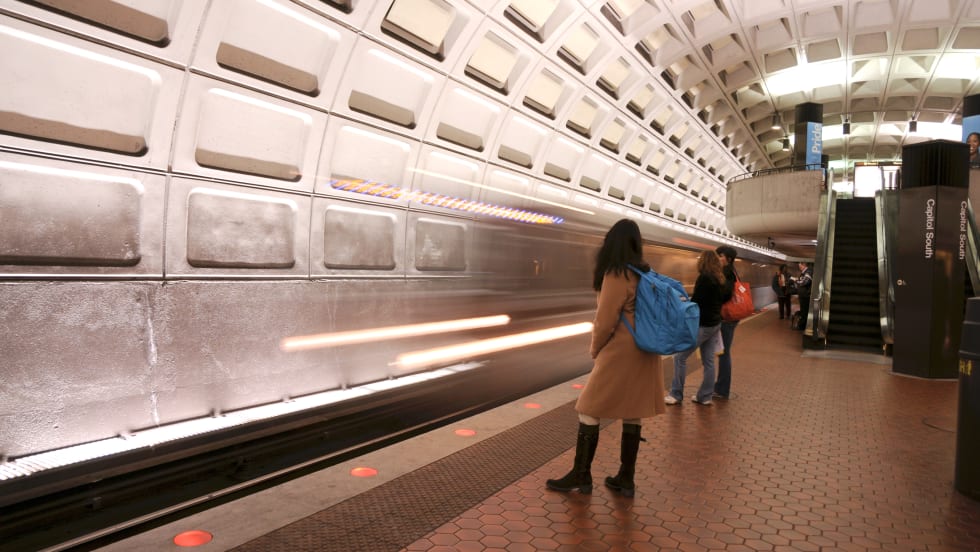
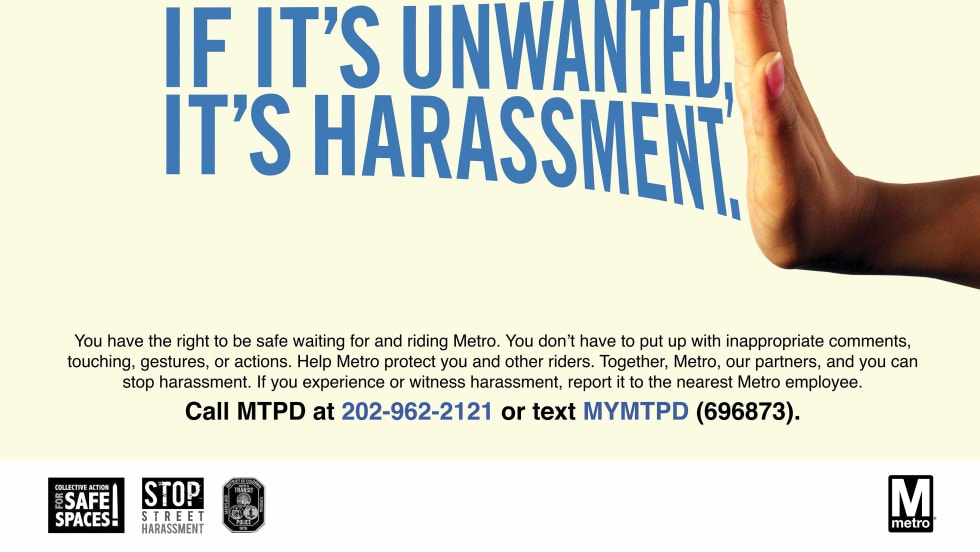

The 60-second videos, available in English and Spanish, will be aired on local television stations as Public Service Announcements. In addition, Metro has purchased paid advertising time to maximize awareness. The ads will begin airing next week.
Read More →The ads feature hands representing different races and genders to illustrate that harassment is not exclusive to any one group or sex. The concept was developed in collaboration with advocacy groups Collective Action for Safe Spaces and Stop Street Harassment, who have worked closely with Metro on this issue.
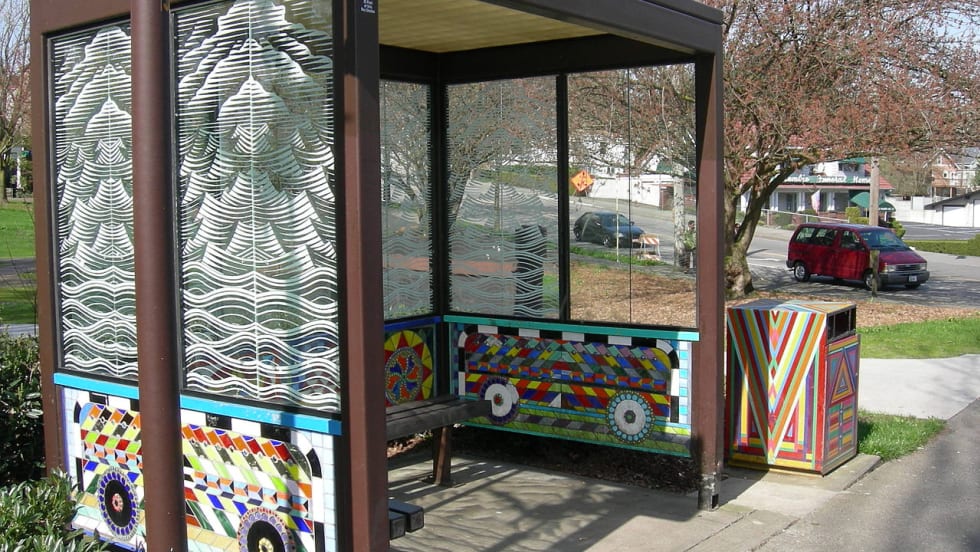
Read More →Until the Seattle DOT’s decision, advertising at bus shelters had been banned. The winner of the contract, which should be chosen by July, must also maintain the shelters.
Read More →The transit agencies’ “Ride On” campaign highlights the benefits and convenience of riding public transit in Cook, DuPage, Kane, Lake, McHenry and Will counties — juxtaposed against the challenges drivers face in the more than eight-million resident region.
Read More →Gotcha Ride makes its money from advertising on the vehicles, student drivers pull in as much as $150 a night from tips and universities like the rides that provide another transportation option on crowded campuses
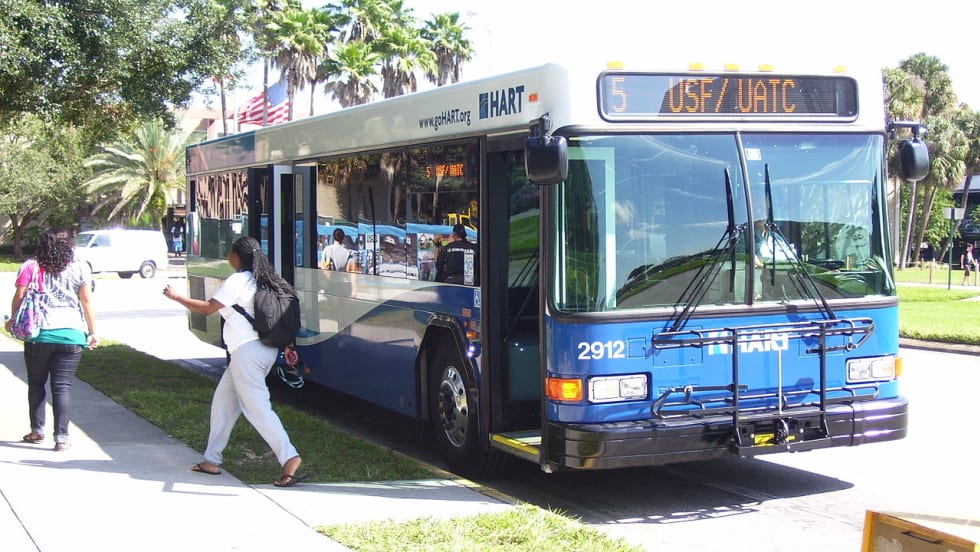
Read More →Program allows local businesses to go online, view a map of HART, add one or multiple stops to a shopping cart and check out, and then, Commuter Advertising will upload their media to play onboard HART buses at the purchased stop(s).
Read More →Over 500 entries competed this year in the five categories of print, electronic, campaign, special event and social media.
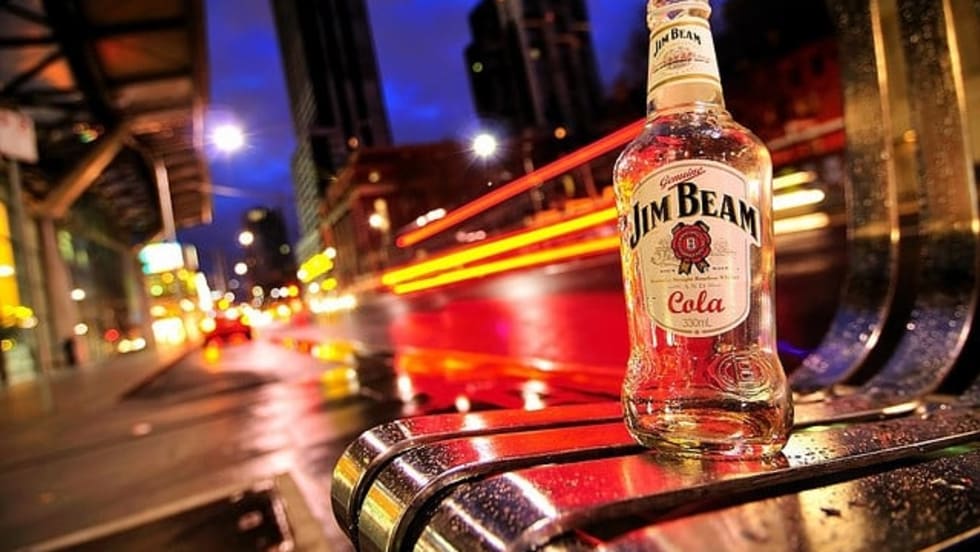
Read More →A study of 26 major U.S. transit markets recently conducted by researchers at the advocacy group Alcohol Justice concluded that half of them allowed alcohol advertising, while the other half banned it in some way.
Read More →Once the app is running, simply pointing your device at any of the 100 most widely circulating subway platform advertisements will cause the device to overlay curated digital art content, creating an augmented experience that blocks unwanted advertising.
Read More →