
Metro Magazine

 MENU
MENU SEARCHMENUSEARCH
Loading data...

Michael Anzallo was asked to lead MTPD on an interim basis in August 2021 and helped steer the department through pandemic-related challenges with an emphasis on community policing throughout the region.
Read More →

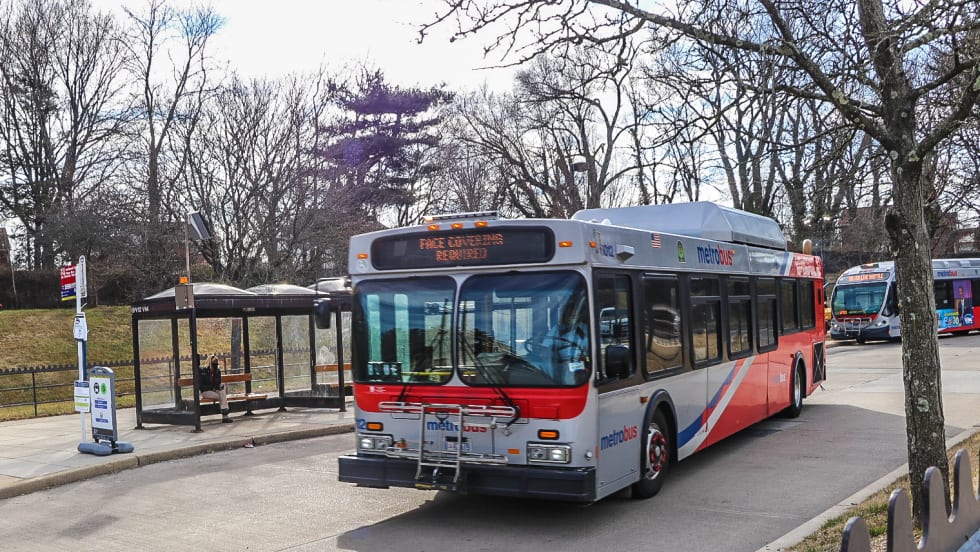
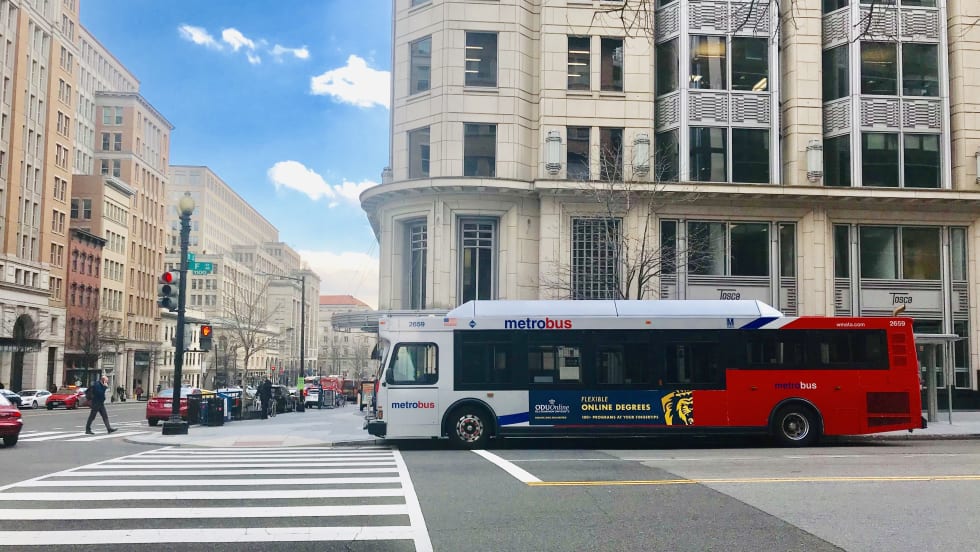

The agency is offering up to a $2,500 pay incentive as part of a new campaign to hire more bus drivers.
Read More →To assist customers with the transition, beginning March 1, the old farecards will no longer be accepted at fare vending machines in stations, fareboxes on buses, parking facilities and retail locations.
Read More →Paul J. Wiedefeld served more than six years at the helm of the regional transit agency.
Read More →During the 90-day period, Metro will increase efforts to restore 6000-series railcars to increase the availability of newer cars in the fleet.
Read More →Due to growing absenteeism rates across service areas related to COVID illness and exposures, Metro is reducing service schedules and implementing new workforce actions effective Monday, Jan. 10.
Read More →Officials concluded in an abundance of caution that moving to a nightly inspection of 7000-series railcars is the prudent course of action.
Read More →The agency is seeking to buy 10, 40-foot-standard-length buses from multiple manufacturers to test different bus and charging technologies and assess their performance.
Read More →Construction of the operations and maintenance facility is expected to take four years once all approvals are received and will open with a mix of the current Metrobus fleet and new battery-electric vehicles, transitioning to 100% electric as Metrobus’ electric bus fleet expands.
Read More →More than 3,000 transit professionals and stakeholders joined FTA’s national conversation held throughout July and August.
Read More →