



WMATA Adding Discounts, More Trains and Buses
The changes, approved by the board in June, followed extensive public input about how riders plan to travel.
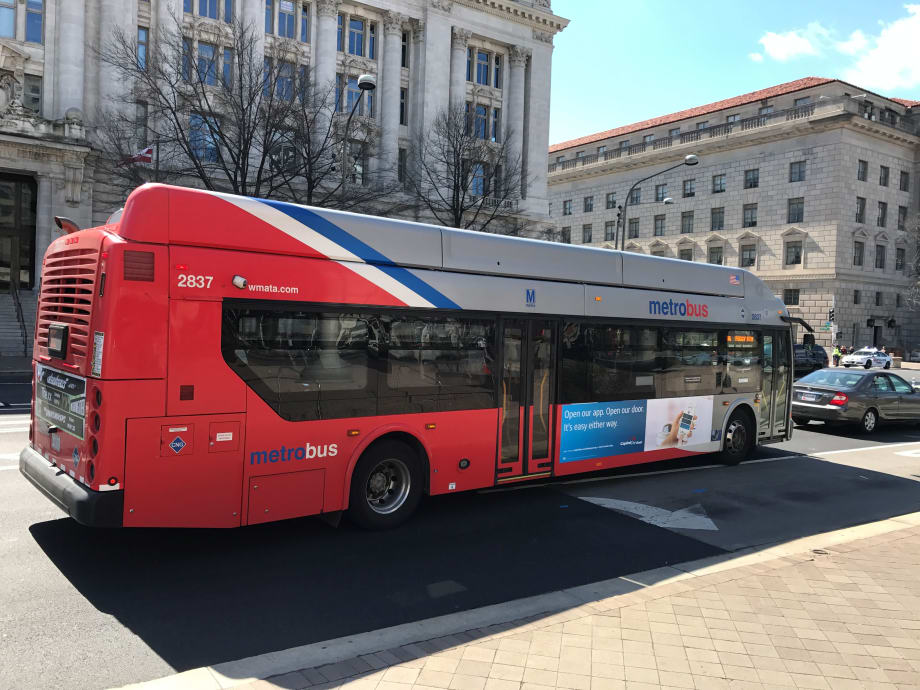
The service improvements will bring overall bus and rail service to near pre-pandemic levels, providing 97% of pre-Covid service levels on Metrobus and 91% on Metrorail.
METRO Magazine
The Washington Metropolitan Area Transit Authority (WMATA) is making changes that will make riding easier and more convenient as the region resumes school, leisure activities, and returns to workplaces. Beginning Sept. 5, WMATA will add more buses and trains, offer lower prices, and extend Metrorail’s operating hours on weekends.
The changes, approved by the board in June, followed extensive public input about how riders plan to travel. The service and pricing improvements are designed to make WMATA a more affordable, attractive way to go and to meet customer needs for more service at all times of the day, not just during rush hour.
Among the service improvements, WMATA will add more buses on the busiest lines to better serve customers throughout the day, reduce average wait times for buses during the day, restore more service that had been suspended due to the COVID-19 pandemic, and provide free bus transfers between rail and discounted passes.
On Metrorail, more trains will run during off-peak hours with average wait times ranging between two to seven minutes any time of day. Trains will also run longer, closing later overnight on weekends, and opening earlier on Sundays.
“As the region goes back to work and school, we will be ready with service that is convenient any time of the day and offers the flexibility riders need,” said WMATA GM Paul J. Wiedefeld. “We are also making Metro the best way to go on weekends, with less wait times for trains and just $2 for a one-way trip anywhere on the rail system.”
The service improvements will bring overall bus and rail service to near pre-pandemic levels, providing 97% of pre-Covid service levels on Metrobus and 91% on Metrorail. On some bus routes, and off-peak on rail, service will be even better than it had been before the pandemic.
WMATA will also offer up to a 50% discount on selected unlimited pass products between September 16 and October 15.
The following discounts and service changes will be effective beginning Sept. 5:
Discounts
Free bus transfers — If you connect between rail and bus, the bus ride will now be free for all routes except Express service.
Lower rail fares on weekends — Weekend fares on Metrorail will be $2 for a one-way trip, instead of the current distance-based fare making almost any ride, anywhere on weekends cheaper than ever.
Lower prices for 7-day Regional Bus Pass – Customers will now pay just $12 for a 7-day Regional Bus Pass, $6 for seniors/disabled customers, a savings of 20%.
Metrobus
More buses on the most popular Metrobus services — On 36 lines, riders will see more buses, more often between 7 a.m.-9 p.m., 7 days a week.
New and restored service — Customers on 10 routes will have new service added or service restored.
Less waiting between buses on additional routes – Buses on more than 40 other routes will provide more frequent service for customers.
More buses day and night — A detailed list of all the service changes can be found on the Metrobus Service Changes page.
Metrorail
More trains, not just during rush hour — Customers can expect to wait no more than three to six minutes for a train on weekdays at any station served by multiple lines and on the Red Line, all-day until 9:30 p.m.
Improved late-night train service — More trains every hour after 9:30 p.m., every five to eight minutes at any station served by multiple lines and every 10 minutes on the Red Line.
Later closing on Friday and Saturday — Metrorail will stay open until 1 a.m. instead of midnight on Friday and Saturday. That is one hour more to be out and about.
Earlier opening on Sunday — Metrorail will open at 7 a.m. instead of 8 a.m. on Sunday. That is one hour earlier to get your day started.
More trains on weekends too — Get where you want to go faster, with more trains, more often on the weekends, every five to eight minutes at any station served by multiple lines and every 10 minutes on the Red Line.
More Management

More Than a Summer Job: Building the Next Generation of Transit Talent
The Delaware River Port Authority and PATCO have transformed their internship program into a hands-on professional development experience that introduces students to the breadth of transportation careers — and creates a pipeline for future employees.
Read More →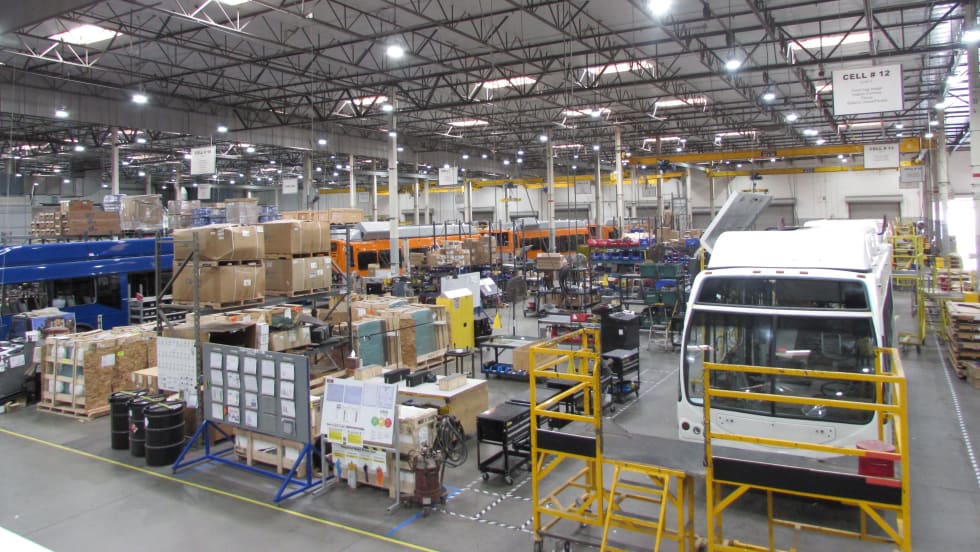
LA Metro Board Awards 220 Battery-Electric Bus Contract to ENC
The contract, which is the largest base award of battery-electric buses by a U.S. transit agency, will be built in Southern California, sustaining good jobs as LA prepares to welcome the world in 2028
Read More →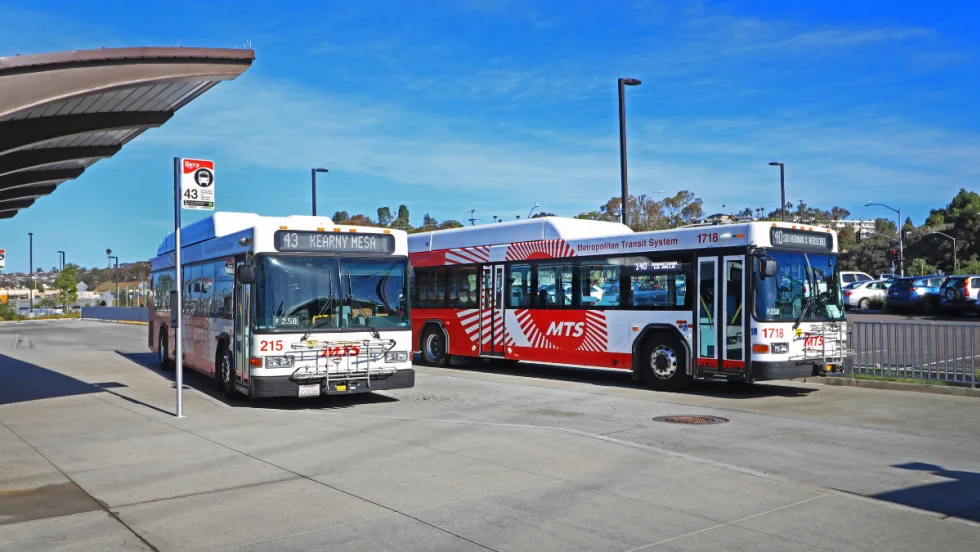
What’s Behind San Diego MTS’s Award-Winning Transit Strategy
Named one of APTA’s 2026 Outstanding Public Transportation Systems with 50 million or more annual passenger trips, California’s San Diego Metropolitan Transit System points to gains in ridership, safety, technology, and reliability as foundations of its success.
Read More →
Public Transit Conference Returning to GFX in 2027, Call for Papers Now Open
The Call for Papers is now open, allowing transit agency professionals and industry experts to help shape the PTC educational program by submitting session ideas for consideration.
Read More →
Indian River Transit’s Community-Focused Approach Earns National Recognition
Named APTA’s 2026 Outstanding Public Transportation System in its size category, Florida’s Indian River County transit system continues to grow ridership through fare-free service and a focus on evolving community needs.
Read More →
ENC Lands MATA Contract and More in Biz Briefs
In this edition of Biz Briefs, we spotlight the latest developments shaping the future of mobility.
Read More →
From Surviving to Thriving: Building Stronger Transportation Organizations
Bus Business Consultants founder Brian Dickson shares lessons on leadership, organizational health, and creating options for long-term success in a changing transportation industry.
Read More →
Everett Transit, Community Transit Outline Consolidation Agreement
The proposed agreement calls for a 50% increase in bus service in Everett, a new microtransit zone, continued paratransit service, and the transfer of Everett Transit operations to Community Transit.
Read More →
Strada360’s Steve Lassey on Turning Transit Data Into Better Decisions
From breaking down data silos to preparing for AI, Strada360 CEO Steve Lassey discusses how transit agencies can use technology to improve operations, customer information, and long-term decision-making.
Read More →
People Movement: Phil Washington Joins HNTB, Denver RTD Launches CEO Search, and More
In this edition, we also spotlight recent personnel moves at STV, the Eno Center for Transportation, and more, highlighting the people taking on new roles across the transportation industry.
Read More →