
Metro Magazine

 MENU
 SEARCHMENUSEARCH
Loading data...

If Metro were to stay in the building, it would need to expend an estimated $75 million to $90 million to replace almost every major building system (plumbing, heating and air conditioning, electrical, fire/life safety).
Read More →






Builds on existing energy-saving initiatives already implemented through the agency's Sustainability Program. Measures designed to save the agency more than $2 million a year include switching to daytime cleaning; installing a wayside energy storage device and generating revenue by selling the stored power; and installing a propulsion control system on the Broad Street Line.
Read More →The selected projects include solutions such as implementing new cleaning and disinfecting protocols, contactless payment systems, and modernized data collection.
Read More →What traits and skill sets are important to becoming a great public transportation leader? METRO surveyed more than 200 transit executives to find out. Being a skilled communicator and listener were the most commonly cited attributes.
Read More →The multimedia, multi-pronged effort will raise awareness of transit’s ability to provide greater mobility for Floridians.
Read More →Up until now, this feature was only available when using a SEPTA Key card.
Read More →Is working in partnership with Go Ahead Group, Mövement Strategies, Maynard Group and Bristol Robotics Laboratory to develop a concept demonstrator based on advanced ticket detection technologies that can be integrated into a single gateless system.
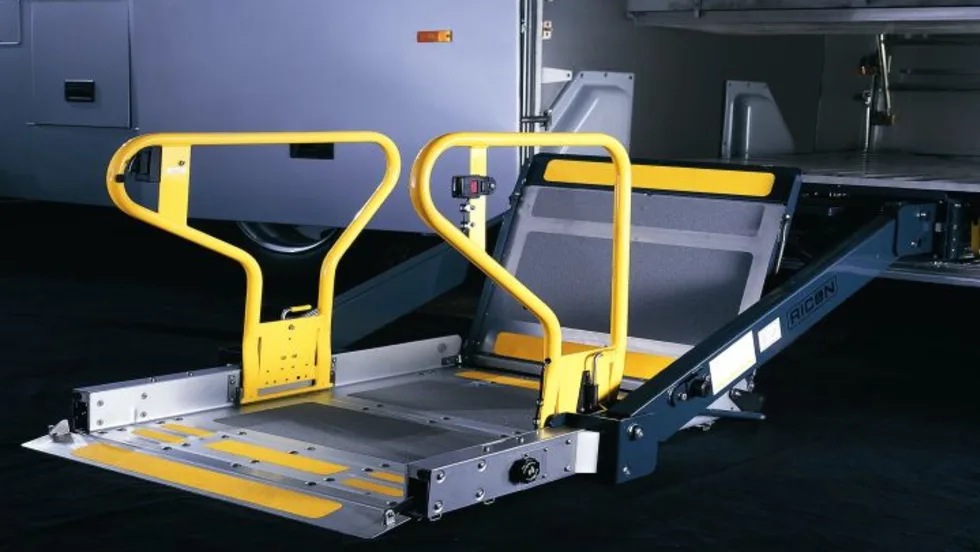
Read More →The Mirage wheelchair lift has a low profile, cassette-type design, offering reliable operation with minimal intrusion in the luggage bay.
Read More →The Red Line Westlake/MacArthur Park Subway station is realizing nearly 20% in energy consumption. Based on the data obtained so far, it is estimated an annual savings of 541 megawatt hours, enough to provide power to 100 average California homes.
Read More →The eRating vehicle certification is voluntary and uses an index that measures several criteria including the use of low-emissions technology, alternative fuels and greenhouse gas emissions calculated per passenger mile.
Read More →