
Metro Magazine

 MENU
MENU SEARCHMENUSEARCH
Loading data...
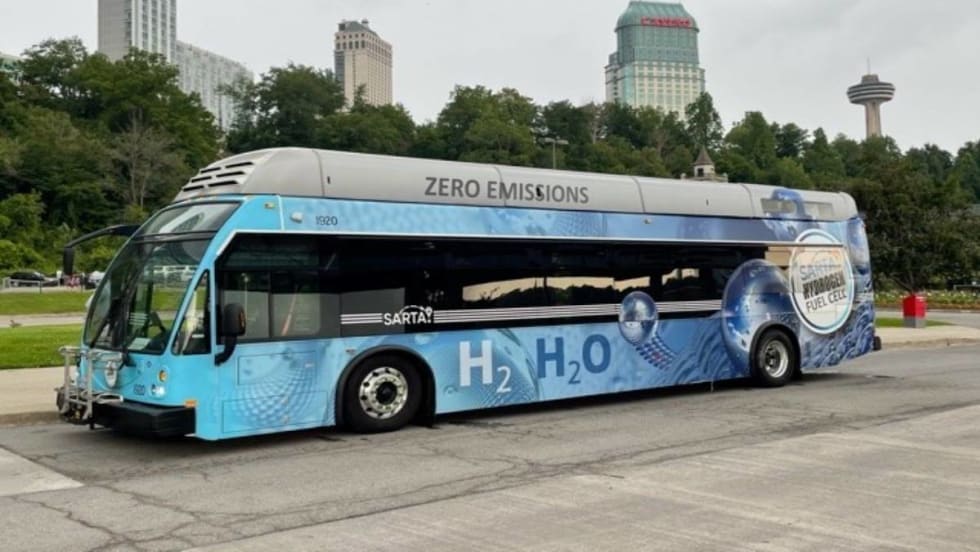
The ‘Borrow a Bus’ program was created to raise awareness about and generate support for zero-emission technology in transit applications.
Read More →





Rich Amodei discussed key challenges for transit properties, increasing ridership and more with METRO.
Read More →Graeme Masterton discussed impact on commuter systems, returning to an office work environment and more with METRO.
Read More →Jannet Walker-Ford, senior VP, national transit and rail market leader for WSP USA, discussed ridership and more with METRO.
Read More →Tom Waldron, global transit director for HDR, is one of several top executives METRO spoke with for a consultant roundtable in the July issue.
Read More →With 30 years of experience in the public transport sector, David Scorey will continue to develop Keolis' activities in the U.S. and Canada.
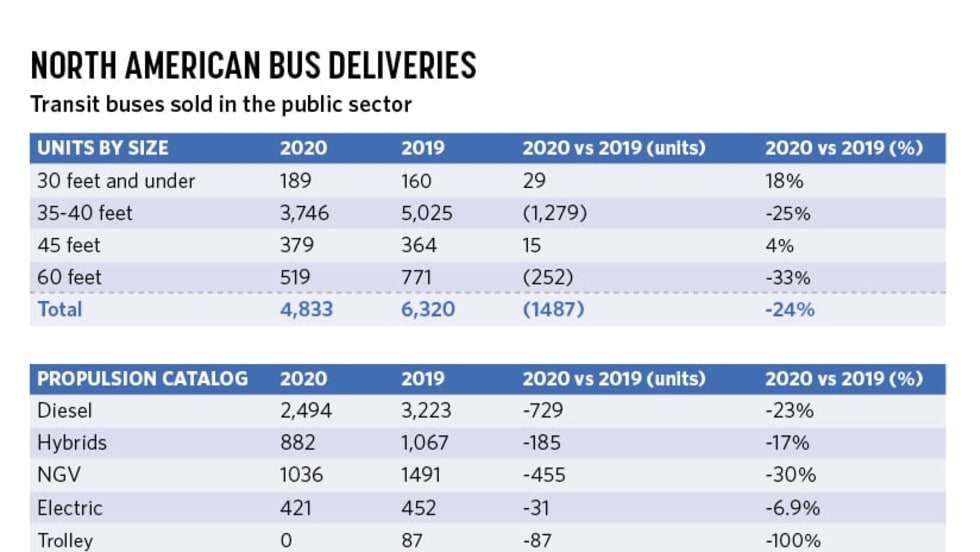
Read More →Overall deliveries of transit buses in the U.S. and Canada declined in 2020, shrinking from 6,320 units in 2019 to 4,833 units in 2020, according to numbers provided to METRO Magazine from participating suppliers.
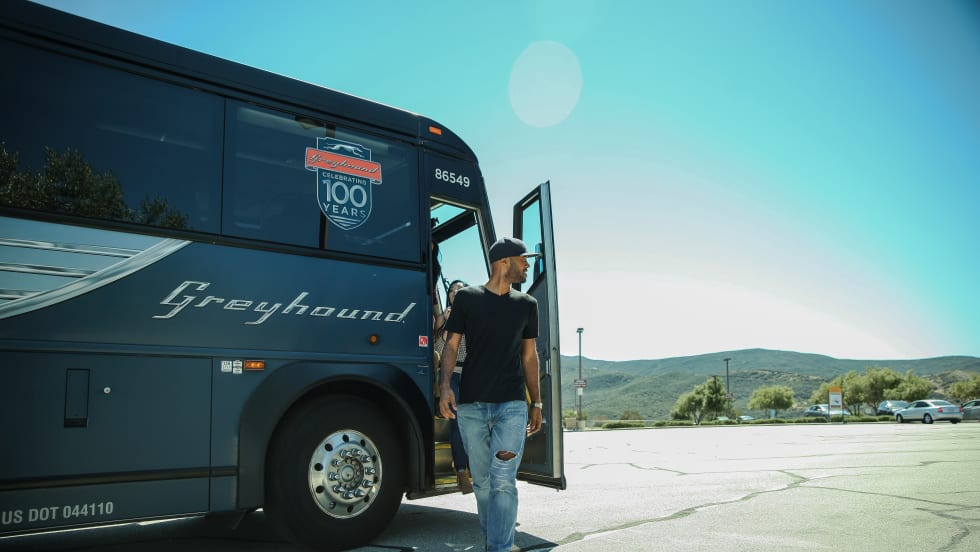
Read More →The pandemic, and required travel restrictions to help keep Canadians safe, brought a further dramatic drop of approximately 95% of normal volumes before operations were fully suspended in May 2020.
Read More →He brings more than 30 years of experience in the North American transportation market to this position, including leadership roles with major bus manufacturers in the U.S. and Canada.
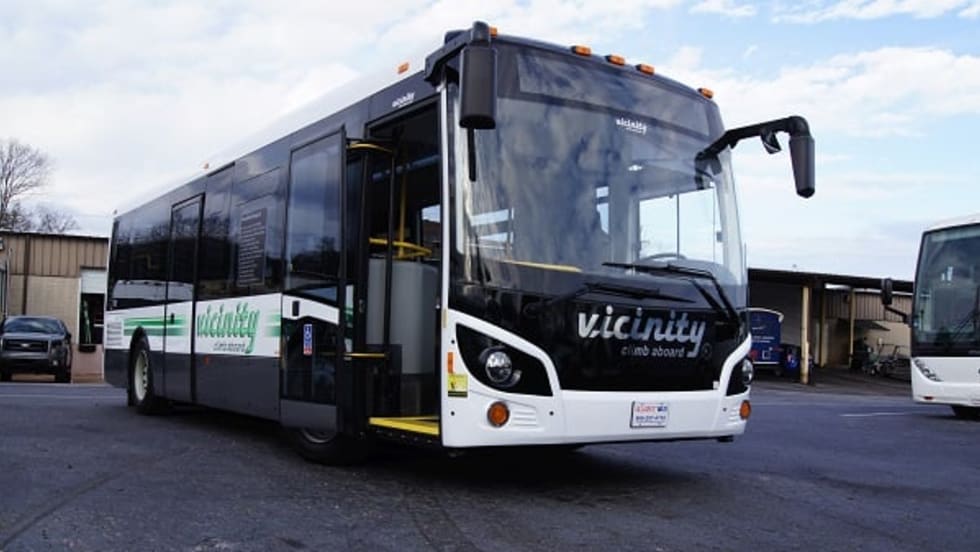
Read More →The order includes three of the company’s 30-foot buses and one 35-foot Vicinity bus. The buses are expected to be delivered in the first half of 2022.
Read More →