



COVID-19 Impacts 2020 Transit Bus Deliveries by 24%
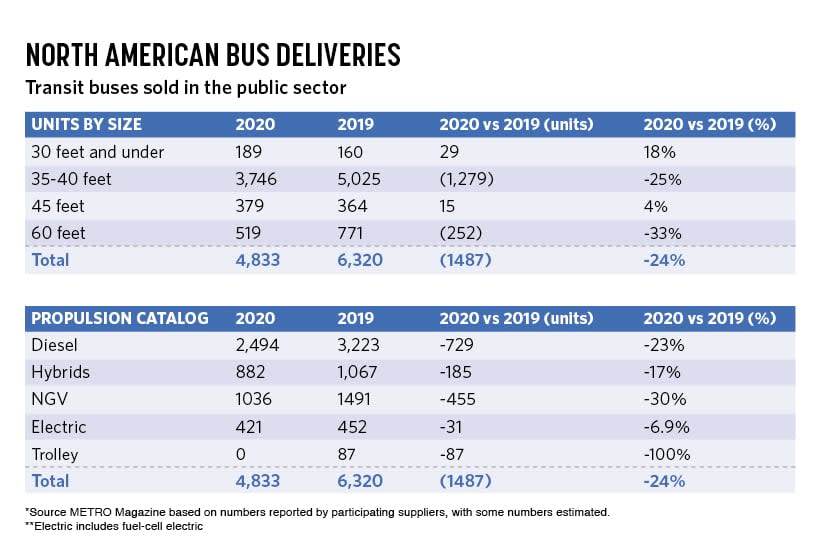
Overall deliveries of transit buses in the U.S. and Canada declined in 2020, shrinking from 6,320 units in 2019 to 4,833 units in 2020, according to numbers provided to METRO Magazine from participating suppliers.
METRO Magazine
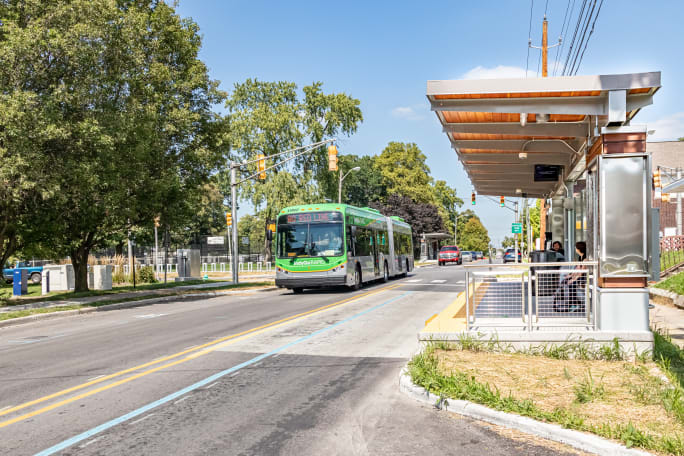
Overall deliveries of transit buses in the U.S. and Canada declined 24% in 2020, shrinking from 6,320 units in 2019 to 4,833 units in 2020, according to numbers provided to METRO Magazine from participating suppliers.
The primary reason for the decline was the COVID-19 pandemic, which forced many factories to close in the second quarter for between eight to 12 weeks, depending on the supplier, as cities, states, and provinces in both countries issued stay at home orders.
Although customer demand was a consideration during the early stages of the pandemic, demand remained stable, with limited to no order cancellation by public sector customers as agencies had committed funds in place for vehicle purchases and deliveries were deferred versus being cancelled outright, according to supplier officials.
It is forecasted that 2021 transit bus deliveries will return to pre-pandemic levels as U.S. and Canadian federal government aid packages for agencies will continue to allow them to stabilize operations for the next 12 to 24 months, despite the fact ridership has waned virtually across the board. With that, the deployment of electric buses is also forecasted to increase in 2021 and beyond as agencies and their stakeholder partners continue to embrace zero emission roadmaps.
Highlights from this year’s numbers by vehicle length include:
Under 30-foot units experienced an increase of 18% from 160 units in 2019 to 189 units in 2020.
Thirty-five-foot to 40-foot units experienced a reduction matching the overall market of 25% from 5,025 units in 2019 to 3,746 units in 2020.
Forty-five-foot units remained stable, with a minor increase of 4% from 364 units in 2019 to 379 units in 2020.
Sixty-foot units experienced the most significant erosion at 33% from 771 units in 2019 to 519 units in 2020.
The year over year reductions noted above indicate that the 35- to 40-foot segment continues to make up most of the overall market volume at 78% and is the main segment market driver.
Highlights from this year’s numbers by propulsion include:
All propulsion types saw a decrease in units from 2019 to 2020.
Diesel propulsion still maintains most of the market demand at 51%, which was stable from 2019 to 2020 with alternative fuel (all types – CNG, Hybrid, Electric, NGV) maintaining a 49% demand share.
The NGV segment, which includes all forms of natural gas, saw a reduction of 30% from 1,491 units in 2019 to 1,036 units in 2020.
Diesel propulsion experienced a 23% reduction from 3,223 units in 2019 to 2,494 units in 2020, which essentially matches the overall market reduction of 24% and indicates that there was limited substitution or transfer to other propulsion types away from diesel in 2020.
Hybrid propulsion saw a 17% reduction from 1,067 units in 2019 to 882 units in 2020.
Electric bus propulsion was somewhat stable with only a 6.9% reduction from 452 units in 2019 to 421 units in 2020.The strength of this propulsion type is expected to increase in 2021 and beyond as operators are moving from the test phase to more full deployment of electric vehicle technology. This coupled with increasing governmental funding programs promoting the deployment of electric vehicles and jurisdictional mandates for zero-emission technology will see a continued move to electric primarily at the expense of diesel propulsion.
METRO would like to again thank our supplier partners for their continued participation.
More Bus

New York MTA Plans Largest Bus Fleet Upgrade in More Than a Decade
The agency is seeking manufacturers for 650 new CNG buses to replace aging vehicles, improve reliability, and advance its broader fleet modernization strategy.
Read More →
Building a Flexible Path to Transit Electrification
John Hroncich discusses BAE Systems’ modular and scalable approach, lessons learned from decades of real-world operations, and how agencies can identify electrification strategies that fit their fleets.
Read More →
Bus Tech Talk: Keeping Transit Technicians Ahead of the Technology Curve
LA Metro’s Obed Mejia discusses technician training, evolving maintenance technology, fleet replacement, and strategies for getting the most out of today’s transit fleets.
Read More →
Biz Briefs: RIPTA Unveils New Frontrunners, Clevland RTA Adds New Siemens, and More
In METRO's latest installment, we take a look at recent news from Siemens, Prevost, Dodge, and more partnerships making headlines across the transportation sector.
Read More →
People Movement: Holly Arnold Joins Transdev and More
In this edition, we also cover recent appointments and announcements at Pace, CamTran, MCI, and more, showcasing the individuals helping to shape the future of transportation.
Read More →
The High Cost of Transit Buses: Industry Leaders Look to Procurement Reform
Transit leaders and policymakers examine how standardized bus designs, streamlined procurement, and predictable funding could help agencies stretch budgets and deliver better service.
Read More →
The Business Voice Behind Public Transportation
As chair of APTA’s Business Members Board of Governors, Ray Melleady explains how more than 850 business members are partnering with transit agencies to advance funding, innovation, and industry-wide collaboration.
Read More →
From Surviving to Thriving: Building Stronger Transportation Organizations
Bus Business Consultants founder Brian Dickson shares lessons on leadership, organizational health, and creating options for long-term success in a changing transportation industry.
Read More →
Finding the ‘Happy Medium’: Optimizing Maintenance Without Sacrificing Reliability
The key to maintenance optimization isn’t doing less work—it’s doing the right work at the right time on the right assets.
Read More →
LA Metro, City of West Hollywood, and Partners Advance Smarter Bus Lane Enforcement
The award-winning partnership combines AI-powered detection with human oversight to improve bus reliability, accessibility, and enforcement efficiency.
Read More →