
Metro Magazine

 MENU
 SEARCHMENUSEARCH
Loading data...

Stating that cost overruns related to plans for a high-speed rail line between Tampa and Orlando could up taxes for Florida residents by $3 billion, Gov. Rick Scott rejected $2 billion in federal funds.
Read More →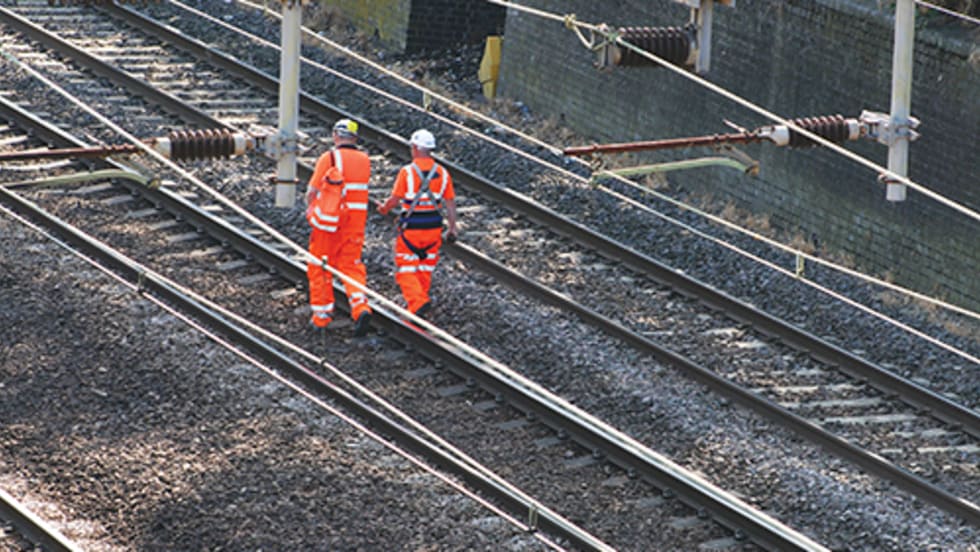

An overview of technology being used in potentially hazardous scenarios, including fixed work zones, moving work zones, and equipment movement/collision avoidance.
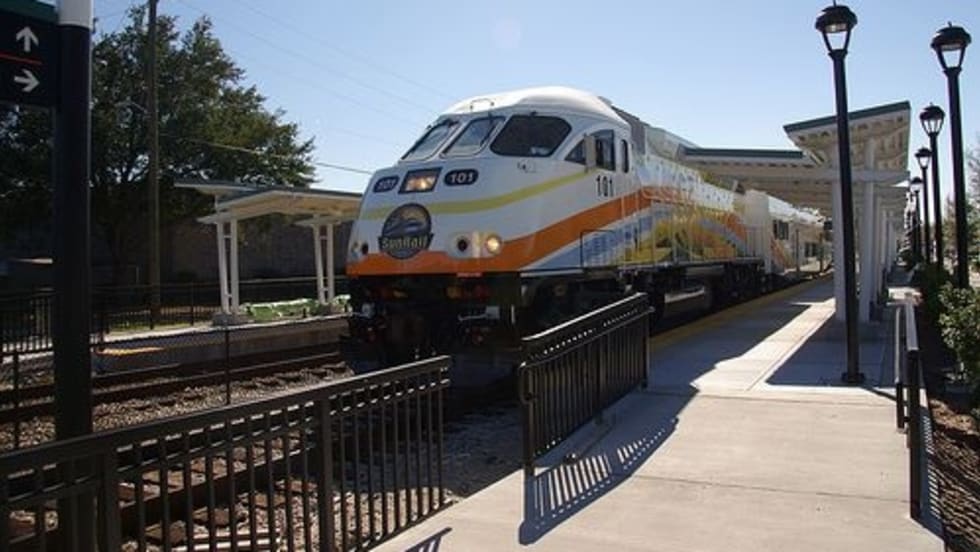
Read More →The first phase will start running along a major interstate corridor that runs through downtown Orlando on May 1. The system is expected to eventually tie into an extensive public transit network linking Orlando and Miami by a higher-speed rail system.
Read More →Event-goers can purchase a roundtrip ticket for each event for only $5, which includes the cost of both the train and shuttle bus rides.
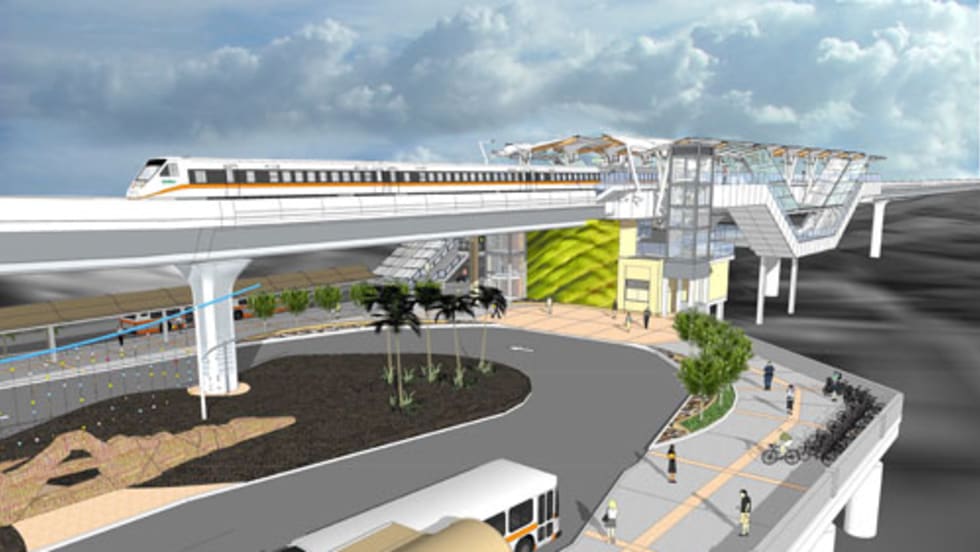
Read More →Finmeccanica owns all of AnsaldoBreda, which is unprofitable, and 40% of Ansaldo STS, which is profitable, according to the report. The two Ansaldo companies formed a joint venture, Ansaldo Honolulu JV, to design and build the 20-mile, 21-station elevated train system for Oahu under a $1.4 billion contract.
Read More →The approximately $400 million project is for a proposed 9.3-mile light rail transit system expected to be in operation by 2016. The project is being structured as an innovative public-private partnership, with a private group, M1 Rail, providing funding and participating in the development of a portion of the system.
Read More →Detroit-based Quicken is owned by Dan Gilbert, who has been the $137 million streetcar project's co-chairman (with Roger Penske) nearly since its 2008 inception.
Read More →Transit officials knew that The Tide project would cost more than the $232 million figure they gave to the government back in 2007.
Read More →Metro leaders demand that planners reduce the cost, which has risen from $1.25 billion to between $1.58 and $1.82 billion, or risk losing political support.
Read More →The privately developed project would offer a 15-minute trip between downtown and O’Hare’s Terminal 2, with trains operating every 15 minutes on a dedicated track. The service would use battery-electric trains and three existing freight rail rights-of-way.
Read More →