
Metro Magazine

 MENU
 SEARCHMENUSEARCH
Loading data...
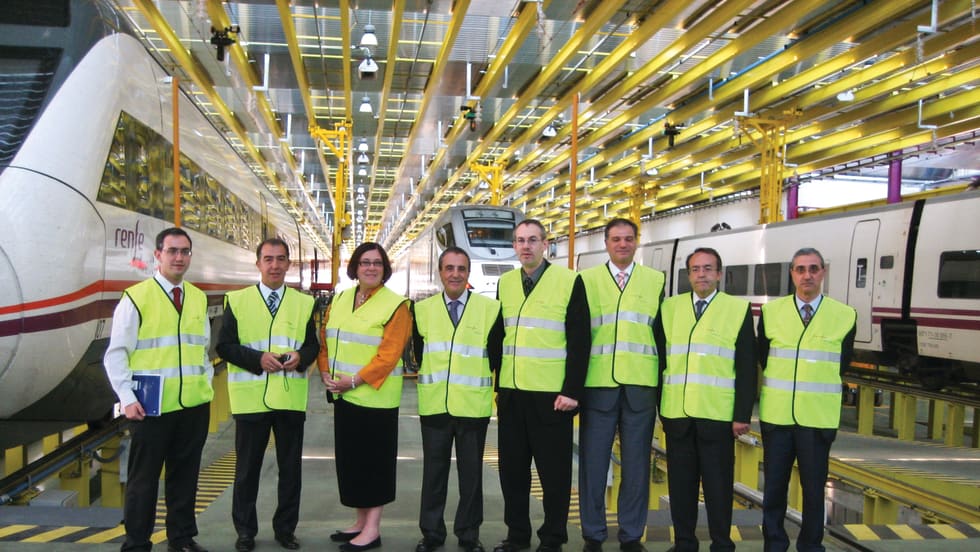
Title: Deputy Administrator Organization: Federal Railroad Administration, U.S. Department of Transportation City: Washington, D.C.
Read More →



The unprecedented investment in America’s nationwide intercity passenger rail network builds on a $16.4 billion investment announced last month for 25 projects of national significance along America’s busiest rail corridor.
Read More →Positive Train Control technology is capable of automatically controlling train speeds and movements should a locomotive engineer fail to take appropriate action.
Read More →Amtrak is the fourth railroad to join the Confidential Close Call Reporting System. Under the program, employees can report “close call” incidents that did not result in an accident without fear of sanction or penalty from the railroad or the federal government.
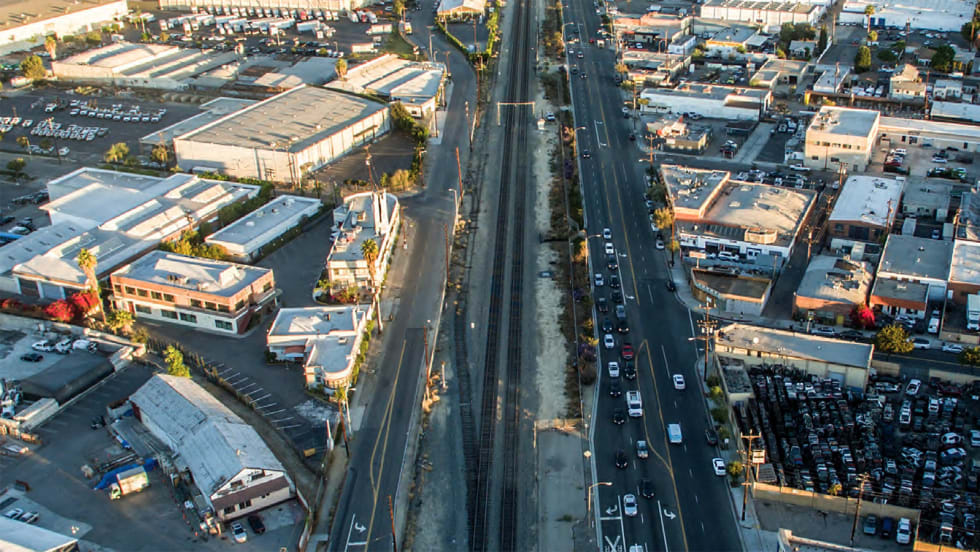
Read More →The project will improve safety at the Doran Street crossing, which has one of the highest numbers of safety-related incidents involving vehicles, bicycles, or pedestrians in Los Angeles County.
Read More →Confidential reporting permitted for risk reduction.
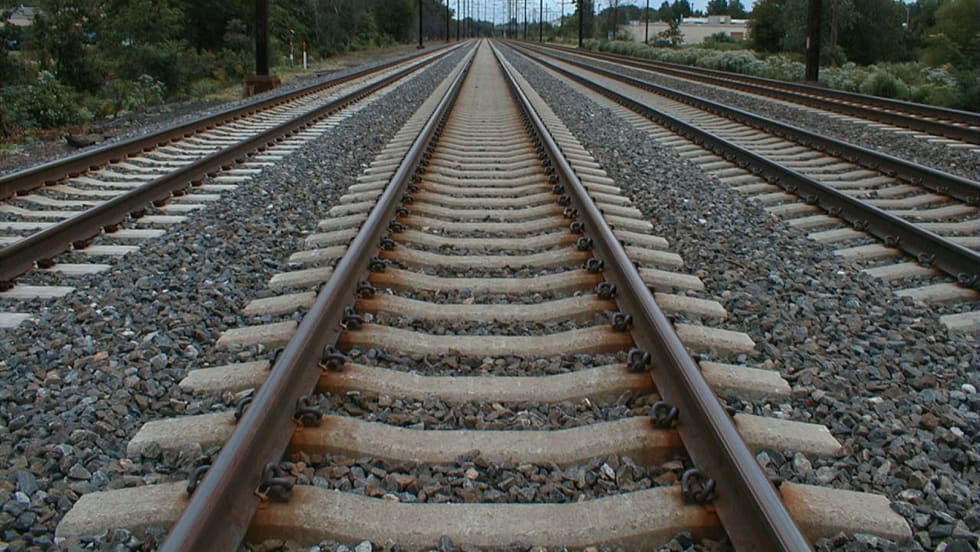
Read More →Recommendation's include adding new tracks to increase the Northeast Corridor to four tracks in most locations, which would allow for more frequent and faster service.
Read More →The Partnership Program is intended to improve intercity passenger rail performance by funding capital projects to repair, replace, or rehabilitate publicly owned or controlled railroad assets, thereby bringing them into a state of good repair.
Read More →Prevention strategies include expanded educational outreach through OLI and the development of community action plans in concert with greater law enforcement action. Recommendations for railroad station safety include providing audible and visual warnings of approaching trains, station and platform structural improvements and, where feasible, fences to prohibit access to railroad tracks.
Read More →In response, the Metro-North signal crews have installed new protections at the Spuyten Duyvil curve, which will warn train engineers of the approaching speed reduction and automatically apply the train's emergency brakes if speed is not lowered to the 30 mph maximum in the curve.
Read More →