



Women In Transportation: Karen Rae
Title: Deputy Administrator Organization: Federal Railroad Administration, U.S. Department of Transportation City: Washington, D.C.
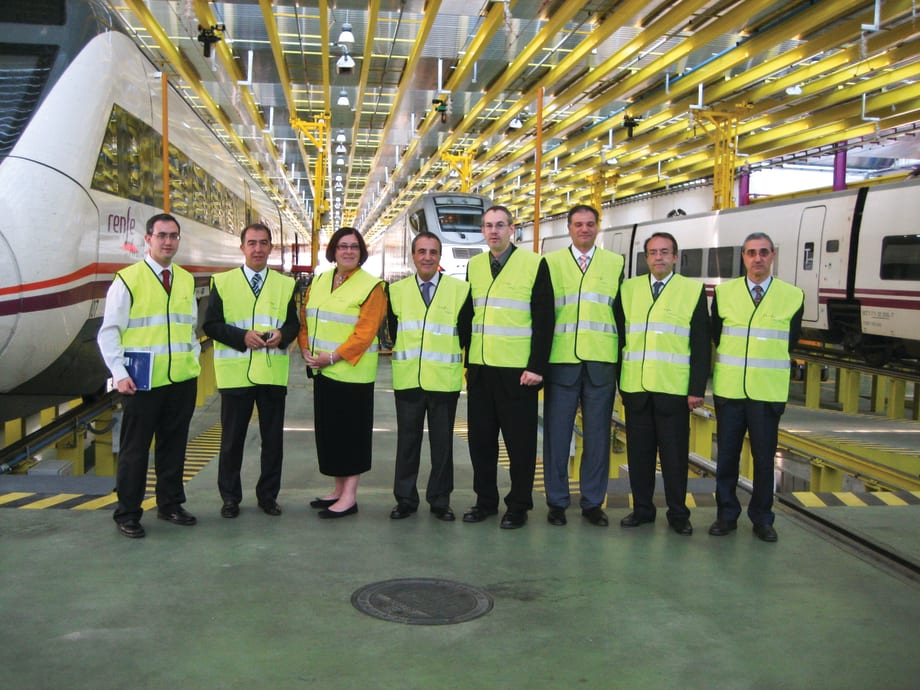
Within two weeks at her new position as deputy administrator, Karen Rae had to quickly produce a high-speed rail strategic plan with her team under Ray LaHood's leadership.
Within two weeks at her new position as deputy administrator, Karen Rae had to quickly produce a high-speed rail strategic plan with her team under Ray LaHood's leadership.
While working for the New York Department of Transportation (NYDOT) as deputy commissioner in 2009, Karen Rae received a phone call inquiring if she'd be interested in a job for the Obama administration. "I thought my friends were playing a joke," she says, but after finally meeting with the deputy chief of staff, she knew the opportunity was real. "I was both shocked and excited when it happened," she says.
Within two weeks at her new position as deputy administrator of the Federal Railroad Administration (FRA), Rae had to quickly produce a high-speed rail strategic plan with her team under the leadership of Secretary of Transportation Ray LaHood. "We believe we must continue to grow and expand freight and passenger rail service," she says, adding, federal partnerships continue to grow as more states are now developing rail systems.
"It is not simply a rail or nothing scenario," she says. "It's about the role rail will play in our national transportation system."
Rae dedicates much of her time to keeping states informed of opportunities and offering technical assistance through regular conference calls with state transportation partners. She says she understands that a strong bond between the federal agency and state departments is critical.
"We have choices," she says. "We can do nothing — we can do exactly the same thing we've done — or we can consider how to really get the most out of our transportation system and this includes putting rail on equal footing."
After her daughter was born, Rae says she had a "career breakthrough." She began work as director at Glens Falls, N.Y., a four-bus operation that serviced nine cities. She says it was this position at Greater Glens Falls Transit Department that allowed her to gain knowledge on local, state and federal governments. "The diesel fuel started to take over my brain," she laughs, and from here she decided on transportation as her career. By 1992, she headed to Buffalo, N.Y., to serve as administrative deputy of a multi-modal transit authority run by Niagara Frontier Transportation Authority. She was then promoted to director of surface transportation, where she organized a community-led redesign of the transit services called "Hublink."
After seven years in Buffalo, Rae was offered a position as GM of Capital Metropolitan Transportation Authority (Capital Metro) in Austin, Texas, which was under federal investigation. She spent her immediate focus rebuilding the community's trust and confidence, and began the overhaul of the 162-mile freight rail system.
"I did more than 200 meetings in six months leading up to the light rail project being advanced," she says. "Sometimes it was over a kitchen table, but it was critical to be out there and be the face of the agency."
Rae devoted four years at Capital Metro before getting an offer from Virginia Gov. Mark Warner, who wanted to elevate rail and public transportation while in office. In one project, Rae advanced the Dulles Rail Line and moved the project forward into the preliminary engineering stage by securing initial federal funding. She also secured the first dedicated rail fund for the state.
In her last duties before going to the FRA, Rae also served as deputy secretary for passenger rail and transit at Pennsylvania Department of Transportation, where her team streamlined 20 transportation programs into three, and completed implementation of a 110-mph rail service on the Keystone Corridor. As well, she was NYDOT deputy commissioner, in which she was responsible for policy, planning and the finances of all transportation networks in the state.
More Rail
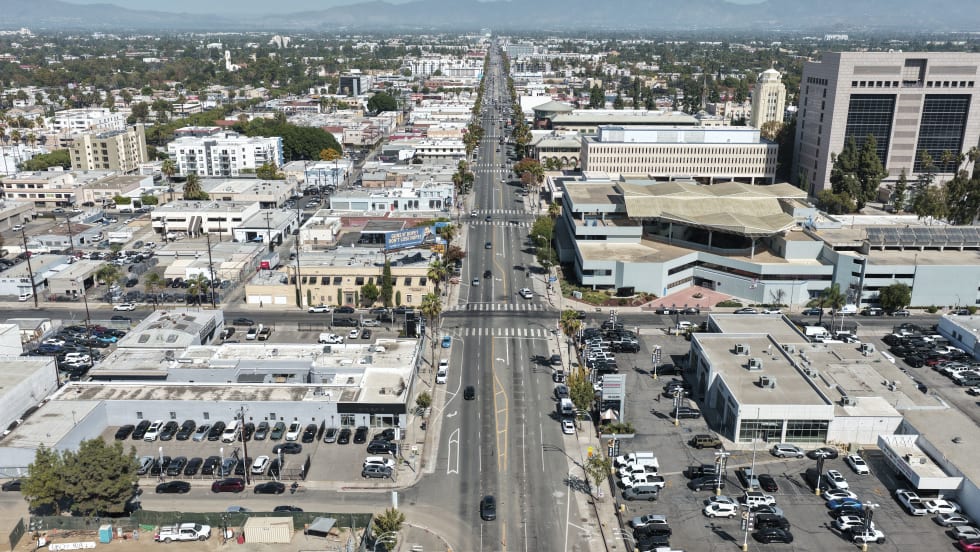
LA Metro Breaks Ground on East San Fernando Valley Light Rail Project
The 6.7-mile line will add 11 stations along Van Nuys Boulevard, expand access to jobs and regional transit connections, and support Metro’s broader efforts to improve mobility as rail ridership grows.
Read More →
CSA Group Releases Climate Resilience Standard for Transit, Passenger Rail
Developed with support from the Standards Council of Canada, CSA D700 guides assessing climate-related risks and planning adaptation measures for transit and passenger rail systems.
Read More →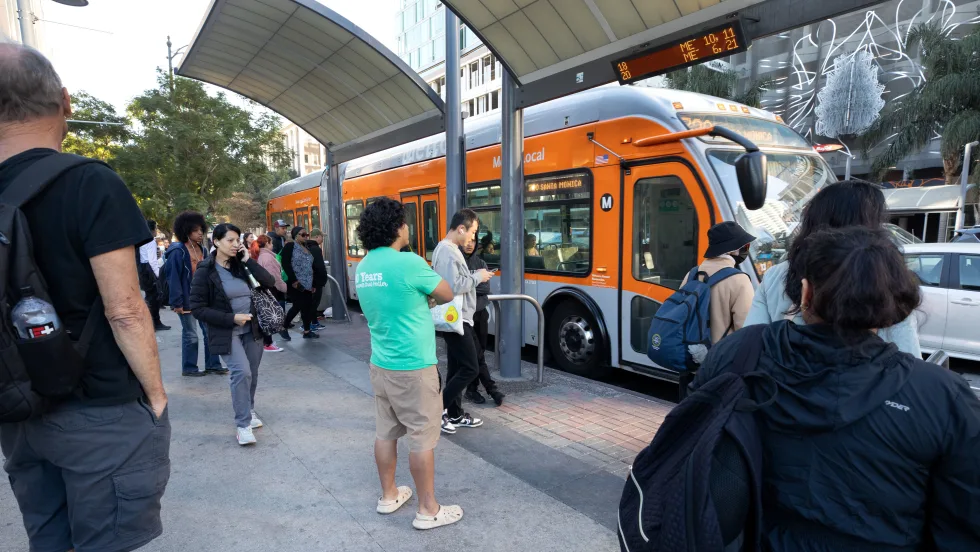
LA Metro September Ridership Climbs 3.9%, Led by Rail Growth
The agency recorded more than 27.2 million boardings, with rail ridership increasing 12.4% year over year and the D Line posting the largest gains.
Read More →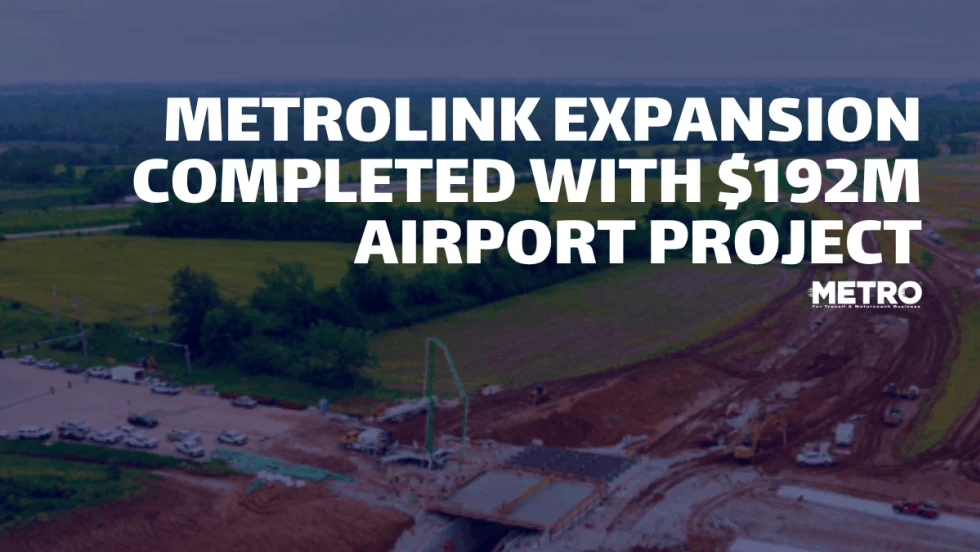
First Full MetroLink Rail Expansion Completed in 20 Years with $192M Airport Project
The project links two St. Louis-area airports by light rail while adding roadway and bike trail connections to improve regional access and mobility.
Read More →
Utilimarc Launches SmartReplace to Optimize Fleet Replacement Decisions
AI-powered SmartReplace helps fleets prioritize vehicle replacements, model budget scenarios, and build more defensible long-term strategies.
Read More →
Scenes from APTA TRANSform & EXPO 2026
Transit leaders, manufacturers, and industry professionals gathered in Chicago to explore new technologies, share ideas, and discuss the future of public transportation.
Read More →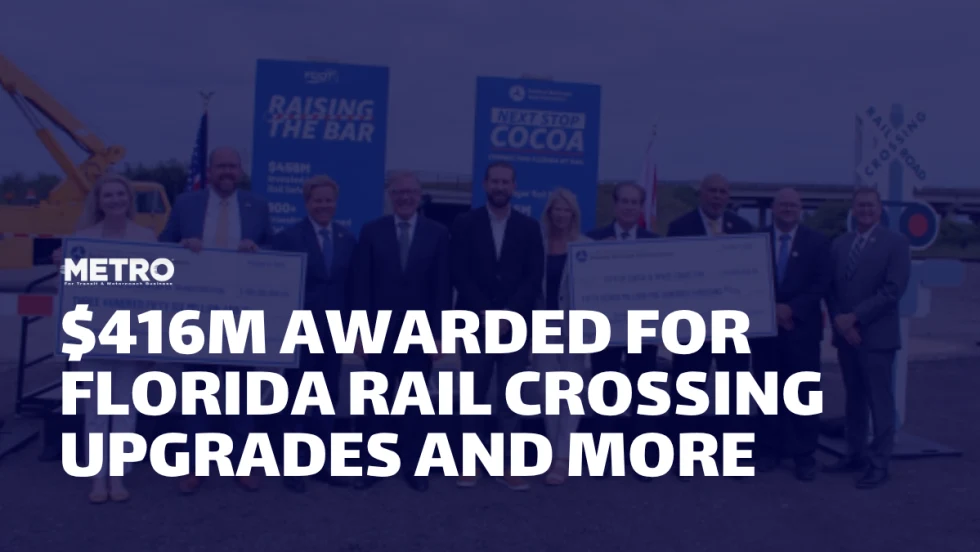
USDOT Awards $416 Million for Florida Rail Crossing Safety Upgrades, New Brightline Station
The projects aim to reduce risks for motorists and pedestrians at rail crossings while expanding passenger rail access along Florida’s Space Coast.
Read More →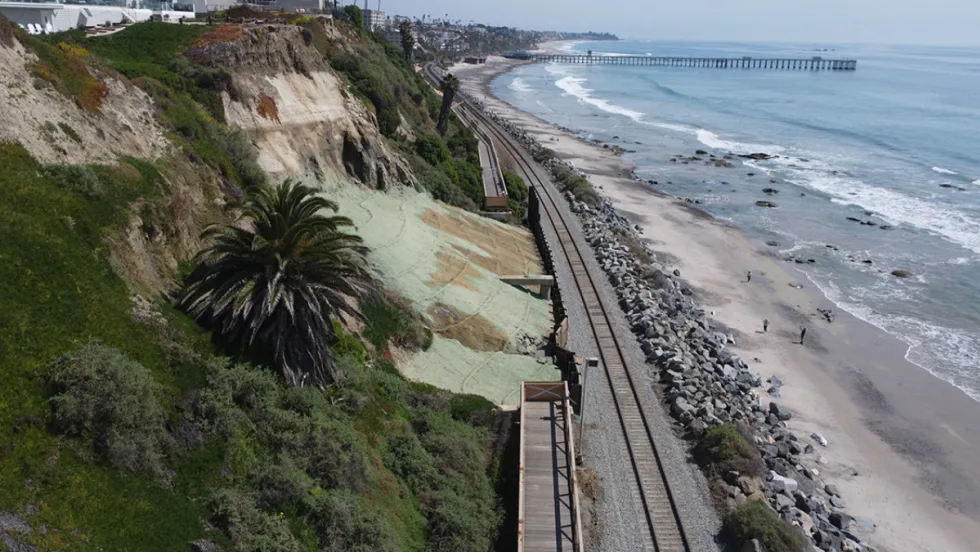
OCTA Declares Emergency to Protect Rail Corridor From Coastal Erosion
The California agency is accelerating shoreline protection and plans to place approximately 690,000 cubic yards of sand along the San Clemente coast to protect a key passenger and freight rail link.
Read More →
More Than a Summer Job: Building the Next Generation of Transit Talent
The Delaware River Port Authority and PATCO have transformed their internship program into a hands-on professional development experience that introduces students to the breadth of transportation careers — and creates a pipeline for future employees.
Read More →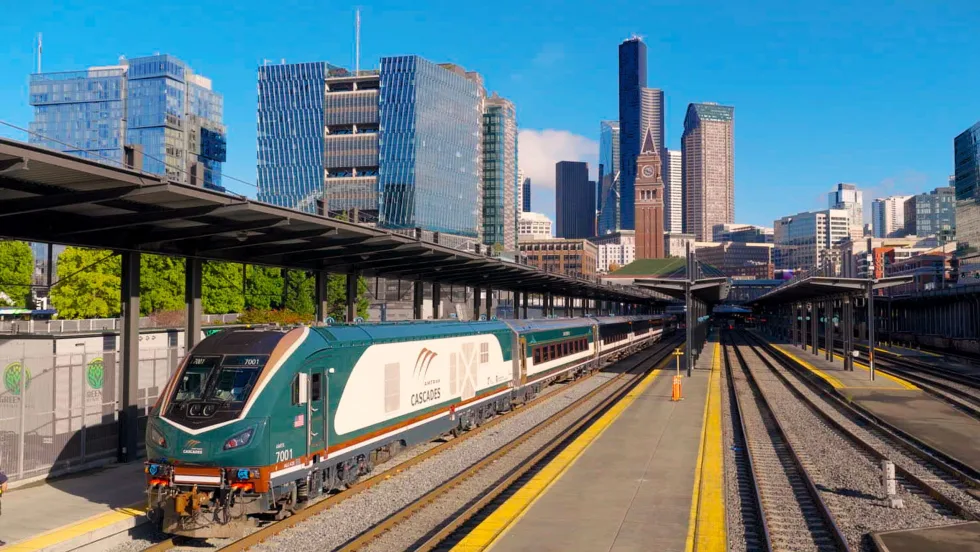
Airo Trains Make Their Amtrak Cascades Debut in the Pacific Northwest
Effective immediately, two cutting-edge Airo trainsets will join the Amtrak Cascades route, operating four daily trips between Vancouver, B.C., Seattle, Portland, and Eugene, Oregon, marking the first introduction of Airo trains into passenger service anywhere in the country.
Read More →