
Metro Magazine

 MENU
MENU SEARCHMENUSEARCH
Loading data...
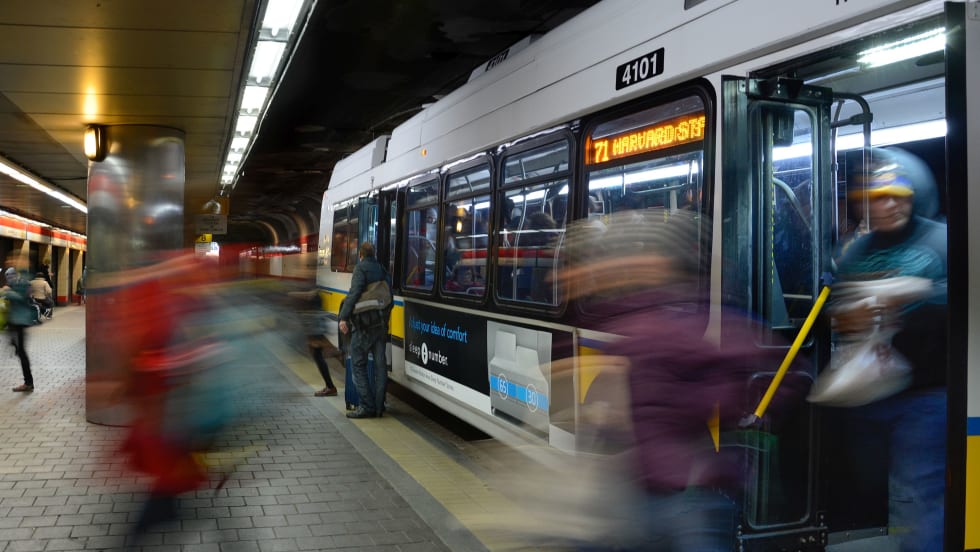
Research highlights how commuting leads to lower productivity, higher costs, longer workdays, and different lifestyle choices.
Read More →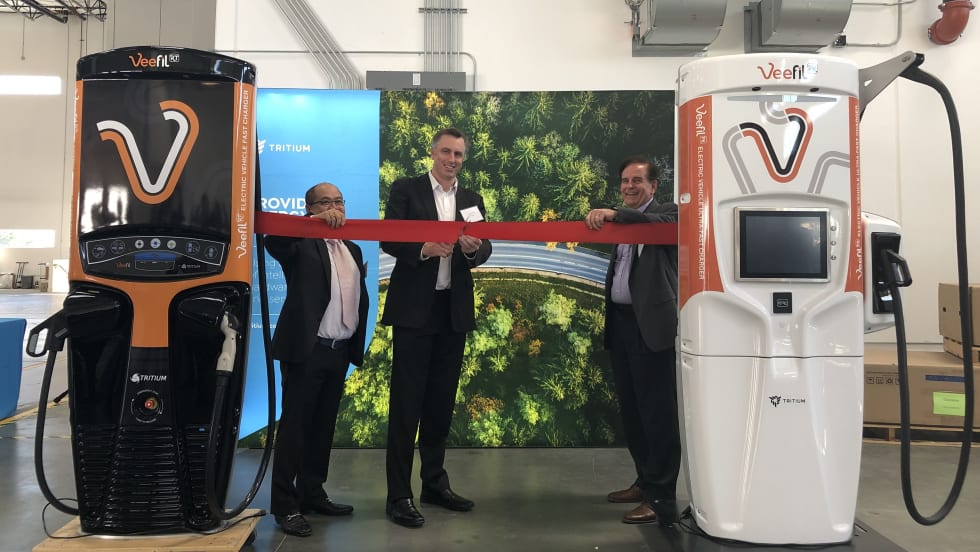





The E-Mobility Innovation Center will feature a testing facility for DC charger interoperability with the suite of advanced Tritium DC chargers.
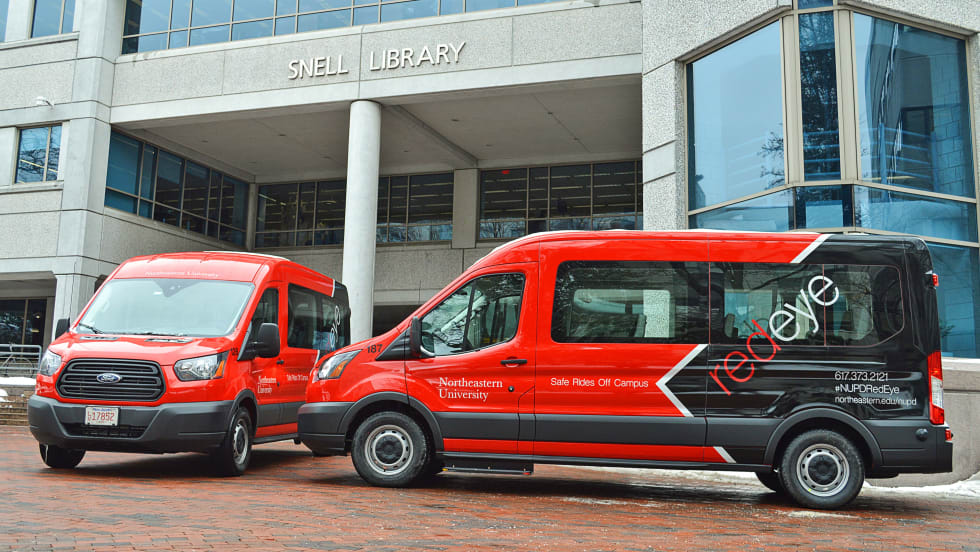
Read More →The service, called RedEye, marks one of the first times a North American university is integrating ride-hailing technology into its campus shuttle system.
Read More →Talks growth of the battery-electric bus industry, the electrification of small fleets, and if suppliers will be prepared for sales boost.
Read More →Island Explorer system links hotels, campgrounds, and inns with destinations in Acadia National Park and area villages.
Read More →The study incorporates traffic stress and cycling comfort in its evaluation of access to destinations by bicycle.
Read More →The fact that Uber and Lyft are companies primarily driven by profit raises significant equity concerns.
Read More →Arrival of ride-hailing is linked to an increase of approximately 3% in the number of motor vehicle fatalities and fatal accidents, study says.
Read More →Heat from the tunnel would cover up to 80% of the heating needs of local apartments in Lausanne, Switzerland throughout winter.
Read More →I recently learned about a program offered by Transport for London that provides “people with mild to moderate learning disabilities and those on the autism spectrum the chance to gain skills and work experience.”
Read More →