
Metro Magazine

 MENU
 SEARCHMENUSEARCH
Loading data...

While the pilot was cut short due to COVID-19, researchers say that offering flexible service hours and an increased vehicle occupancy can help evaluate shifting priorities for commuting in a post-pandemic world.
Read More →




The report found most transit agencies, which fall within this sector, do not have many of the basic policies or personnel in place to respond to a cyber incident.
Read More →The latest study — “Does the Transit Industry Understand the Risks of Cybersecurity and Are the Risks Being Appropriately Prioritized?” — paints a sobering picture: progress has been slow, uneven, and insufficient to meet the escalating risks posed by cybercriminals.
Read More →AAPI older adults face a variety of challenges — including language and cultural barriers, anti-Asian hate, accessibility, and traffic safety — that might limit mobility and thus quality of life.
Read More →The authors evaluated how the ADA and other relevant research could inform the development and deployment of autonomous vehicles, particularly autonomous transit and paratransit.
Read More →MTI researchers examine three types of access services to transit in the San Francisco Bay Area: a fleet of AVs for single passenger service, shared microtransit service, and meeting point multi-passenger service.
Read More →The research seeks to understand the effects of they agency's service restructuring on the transit agency and its performance as well as its impact on the community.
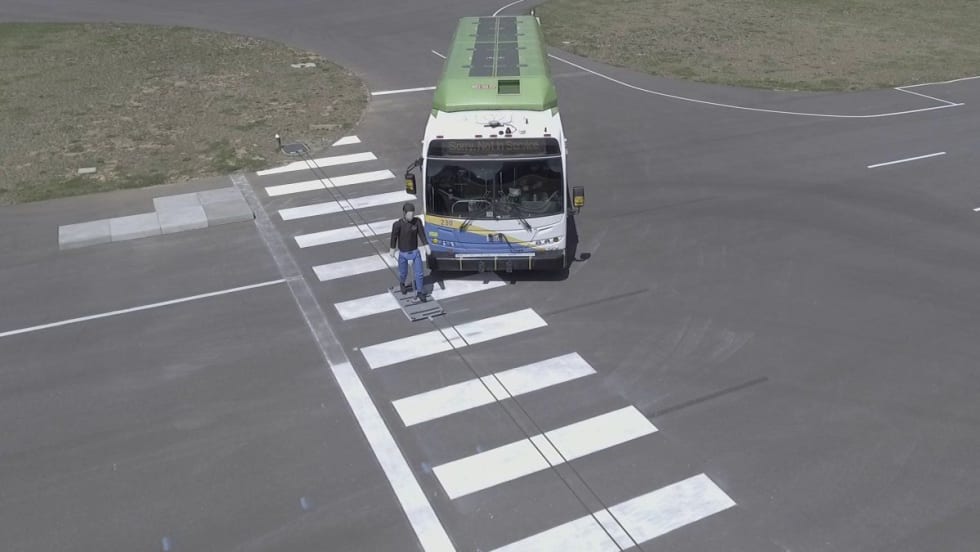
Read More →Using Lidar technology, PASS is designed to help professionally-trained operators avoid or reduce the severity of a collision.
Read More →Results suggest that more direct transit connections to dispersed employment centers, and easier transfers to access these destinations, will help increase transit use for both transit-dependent and choice riders.
Read More →Portland and San Diego emerged as leaders based on study definitions of ridership and productivity success.
Read More →