
Metro Magazine

 MENU
MENU SEARCHMENUSEARCH
Loading data...

Under the $1.6M contract, NextBus will use its patented technology to process data obtained from all buses in LA Metro’s fleet equipped with GPS devices, then provide real-time, predictive bus arrival information to users by interfacing with the Southern California 511 phone- and website-based traveller information service, LA Metro’s own public website, the nextbus.com website, as well as cell and smartphone text messaging.
Read More →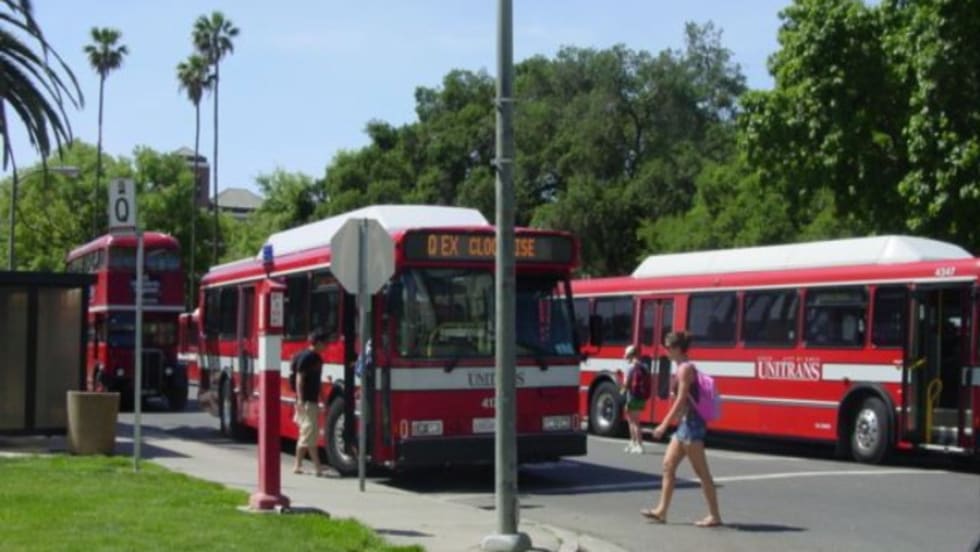
S.F.'s BART was one of the first major transportation systems to go digital, and was among the first to allow third-party developers to access scheduling data.
Read More →From Blacksburg Transit's VT Bus Tracker for Virginia Tech to King County Metro and the University of Washington’s One Bus Away, transit systems linked with universities are leading the way with open source technology. They are providing real-time arrival information to riders and giving them mobile access, through iPhone and Android applications. But there is a huge disparity among agencies across the country in terms of the information they are providing to riders.
Read More →Combining predictive analytics with real-time information about current travel congestion from sensors and other data, the system could recommend better ways to get to a destination, such as how to get to a nearby mass transit hub, whether the train is predicted to be on time, and whether parking is predicted to be available at the train station.
Read More →Each of the 50 buses in the Unitrans fleet has been outfitted with a global positioning system tracking unit that transmits its location every 10 seconds. In addition, NextBus algorithms use a bus's location, the schedule and historical data to predict its arrival time at each stop.
Read More →Calls for agency to evaluate track occupancy data on a real-time basis in order to detect losses in track occupancy and automatically generate alerts to prompt such actions as immediately stopping train movements or implementing appropriate speed restrictions to prevent collisions.
Read More →By using GPS features to address on-time performance, transit officials can compare weeks of data to better ensure that buses arrive on time and meet ADA requirements.
Read More →Orbital will supply communications and dispatch software, which features full computer assisted dispatch capabilities, real-time vehicle tracking and wireless data communications.
Read More →Without transit, nationwide delays would have increased by nearly 30%, costing residents in the major urban areas studied an additional $21.2 billion in lost time and fuel.
Read More →